





INTRODUCTION
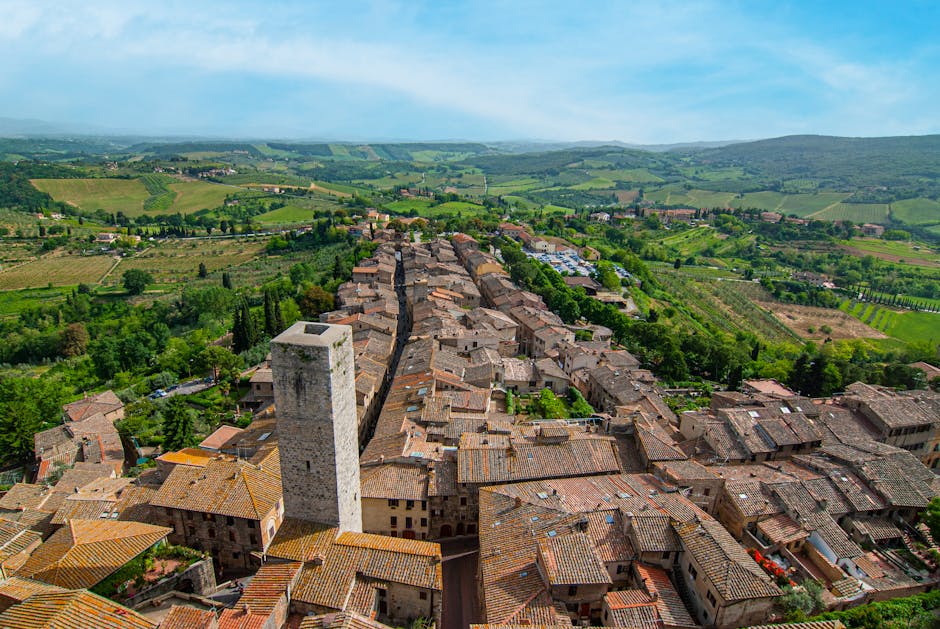
Nestled in the warm, ochre hills of Tuscany, San Gimignano rises like a little medieval town frozen in time. Its slender towers, cobbled alleys and sweeping views over the surrounding vineyards make it a dream setting for wine lovers. Among the region’s oenological treasures, Vernaccia di San Gimignano stands out: it was the first Italian white wine to earn DOCG status, a mark of quality that highlights its deep link to the land. That said, Tuscany produces other native whites — Vermentino, Trebbiano Toscano, Malvasia and some modern blends — and comparing them helps explain what makes Vernaccia so distinctive.
This article offers a detailed comparison between Vernaccia and its Tuscan white neighbors, using San Gimignano as our base. You’ll find sensory descriptions, historical context, precise enoteca and producer addresses for tastings, typical prices for a tasting or bottle, and opening hours. The aim is twofold: to serve as a practical guide for visitors planning a tasting route in San Gimignano, and to give you tools to distinguish the aromatic and food-pairing profiles of the region’s different white wines.
Vernaccia often reveals a mineral core, brisk acidity and notes of almond, white flowers and citrus, though it also exists in richer forms (Vernaccia di San Gimignano Riserva) with oxidative nuances and dried fruit. By contrast, a Tuscan Vermentino tends to be more herbaceous and maritime with a characteristic saline note, while Trebbiano Toscano is often more neutral and light — great for straightforward pairings. Understanding these differences not only heightens your enjoyment of each glass but also helps you choose food pairings in the trattorie and restaurants of the historic center.
Beyond tasting profiles, this comparison also looks at the local offer: which cellars to favor, where to find rare bottles, how much a typical tasting costs, and how to add a winery visit to a day exploring landmarks like the Torre Grossa or the Collegiata di Santa Maria Assunta. You’ll also find practical tips — opening hours, best seasons to visit, transport and culinary recommendations — so you can turn your stay in San Gimignano into a full sensory experience.
 Click here to book a wine tasting in San Gimignano

Vernaccia di San Gimignano: origins, tasting profile and must-visit tasting spots
Vernaccia di San Gimignano is a wine rooted in the town’s history since the Middle Ages. DOCG since 1993, it comes from the native Vernaccia grape grown on the sandy-clay hills around San Gimignano. Aromatically, young Vernaccia typically shows citrus (lemon, grapefruit), white flowers (acacia), almond and sometimes chalky mineral notes. The Riserva versions, aged longer, build a broader texture and develop aromas of baked apple, honey and dried fruit.
If you want to taste an authentic Vernaccia in town, make a note of these places:
- Enoteca della Piazza — Piazza della Cisterna 20, 53037 San Gimignano SI. Tastings from €8 per glass; bottles €12–30. Opening hours: 10:00–20:00 (high season), 10:00–18:00 (low season).
- Antica Macelleria & Enoteca Il Girasole — Via San Giovanni 45, 53037 San Gimignano SI. Guided tastings €15–25; visits by reservation. Opening hours: 11:00–14:30, 17:00–22:00.
- Consorzio della Vernaccia di San Gimignano (Office) — Via San Matteo, 12, 53037 San Gimignano SI. Information, producer maps and thematic tastings. Opening hours: 09:00–13:00, 15:00–18:00.
Cellar tastings (cantina) at local producers — often a few kilometers from the medieval core — include vineyard tours, explanations of the terroirs and pairings with typical products (pecorino cheeses, schiacciata). Full visits typically range from €20 to €45 per person depending on the number of wines and whether a meal is included. It’s best to book ahead, especially in summer or during the harvest.
Click here to book a vineyard visit and tasting

Sensory and technical comparison: Vernaccia vs Vermentino, Trebbiano Toscano and Malvasia
To build a sensory comparison you need to look at three main axes: acidity, body (alcohol and texture), and aromatic profile. Vernaccia usually sits at a lively-mineral center. Let’s compare it with other Tuscan whites you’ll commonly find around San Gimignano.
Vermentino: a Mediterranean variety that in Tuscany brings herbal notes (thyme, green leaves), a marine salinity and aromas of green apple and peach. Its freshness and iodized character make it excellent with fish dishes and seaside antipasti. Indicative prices: bottles €10–22 at retail; agriturismo tastings €8–20.
Trebbiano Toscano: widely planted for its productivity and neutrality. Trebbiano produces light wines with moderate acidity and discreet aromas, often used in blends or as easy-drinking wines. Great for simple pairings like salads and light dishes. Price: bottles €6–15. Common on peasant tables and in mass-market wines.
Malvasia: a family of grapes that brings floral and fruity aromas (blossom, lychee, honey depending on style). In Tuscany, Malvasia sometimes appears in sweet or off-dry wines, but you’ll also find dry styles that add roundness and perfume. Price: bottles €9–25 depending on style.
Technique and oak aging: Vernaccia can be aged on the lees to gain texture, or see some barrel aging for the Riserva, which clearly sets it apart from very neutral Trebbiano or from Vermentino, which is rarely oaked. When tasting, spotting oak influence (vanilla, toast) and a broader palate helps place a bottle on the terroir/aging spectrum.
Click here to book a white wine tasting in Tuscany
Cellar visits, enoteche and restaurants in San Gimignano: addresses, opening hours and practical tips
San Gimignano concentrates convenient tasting spots in its medieval center and across the surrounding hills. Here’s a useful selection to plan a typical “white wine” day:
- Enoteca della Piazza — Piazza della Cisterna 20, 53037 San Gimignano SI. Opening hours: 10:00–20:00 in season. Prices: tastings €8–18; bottles €12–30. Tip: arrive late morning to enjoy the terrace and avoid the afternoon crowds.
- Consorzio della Vernaccia — Via San Matteo, 12, 53037 San Gimignano SI. Opening hours: 09:00–13:00, 15:00–18:00. Services: tourist info, booking cellar visits, producer maps. Pro tip: ask for the « Vernaccia Riserva » list for more structured options.
- Osteria Del Carcere — Via San Giovanni 5, 53037 San Gimignano SI. Opening hours: 12:00–14:30, 19:00–22:30. Prices: dishes €10–25. Recommendation: pair a young Vernaccia with pici al ragù di cinghiale (local pasta) or a Vermentino with grilled fish.
- Azienda Agricola Local (example) — Via delle Mura 7, 53037 San Gimignano SI. Opening hours: visits by appointment; tastings €20–35. Note: check availability in the low season.
Practical tips: favor morning visits to cellars (cooler temperatures, guide availability). If you plan to bring bottles home, check alcohol thresholds and packaging for air travel. Local shops often offer international shipping services. Also respect local rules: most tastings require reservations, some cellars close on Sundays or limit visits in winter.
Food pairings, purchases and tips for bringing bottles home
Pairing Tuscan whites with local food is simple and rewarding. Vernaccia pairs beautifully with goat cheeses, vegetable antipasti, lightly sauced fish dishes and seafood pasta. For a broader Vernaccia Riserva, think about poultry in creamy sauces or mildly spiced dishes. Vermentino is excellent with shellfish and seaside salads while Trebbiano goes well with rustic Tuscan fare and straightforward antipasti.
Where to buy: the enoteche in the center (see addresses above) offer a good selection and personalized advice. For family-cellar bottles, ask to reserve directly with the producer (the Consorzio can point you in the right direction). Indicative take-away prices: standard Vernaccia €12–20; Vernaccia Riserva €18–35; Vermentino €10–22; Trebbiano €6–12.
Packing and transport tips: for car travel, use straps or wooden crates. For air travel, ask shops for vacuum-sealed packaging (€25–50 depending on the service) or leave space in checked luggage. Check liquid limits for carry-on — it’s safer to pack purchases in checked bags. If you prefer to ship, several enoteche offer international delivery (fees vary by weight and destination).
Click here to book a vineyard visit with tasting and lunch

CONCLUSION
Choosing between a Vernaccia di San Gimignano and other Tuscan whites is as much about picking a story and a landscape as it is about an aromatic profile. Vernaccia, deeply tied to San Gimignano, offers a terroir-driven experience marked by minerality, vibrant acidity and a flavor spectrum from fresh citrus to more mature notes in its Riserva versions. By comparison, Vermentino will take you toward the sea and herbaceous scents, Trebbiano will represent the welcoming simplicity of the Tuscan countryside, and Malvasia will bring floral and fruity sensuality.
For a traveler in San Gimignano, the goal is to turn tasting into a complete experience: visit museums and monuments (Torre Grossa, Piazza della Cisterna, Collegiata di Santa Maria Assunta) to grasp the historical context; tour cellars and enoteche to dive deeper into the wines; and pause in osterie and trattorie to test food pairings. Book tastings in advance during high season, choose producers who explain their methods, and don’t hesitate to taste both a young Vernaccia and a Riserva to appreciate the grape’s full range.
Finally, bringing home a bottle of Vernaccia — or an assortment of Tuscan whites — is like packing a piece of landscape and tradition. Between the addresses listed in the medieval core and the nearby wineries, you can choose a comfortable urban tasting or a more rustic, educational immersion. Take advantage of the shipping services offered by enoteche if your luggage is limited. In short, San Gimignano isn’t just a medieval postcard: it’s a living lab of Tuscan white wine, where every tasting tells another facet of the terroir.
