





Introduction — Why bring home the best Vernaccia from San Gimignano
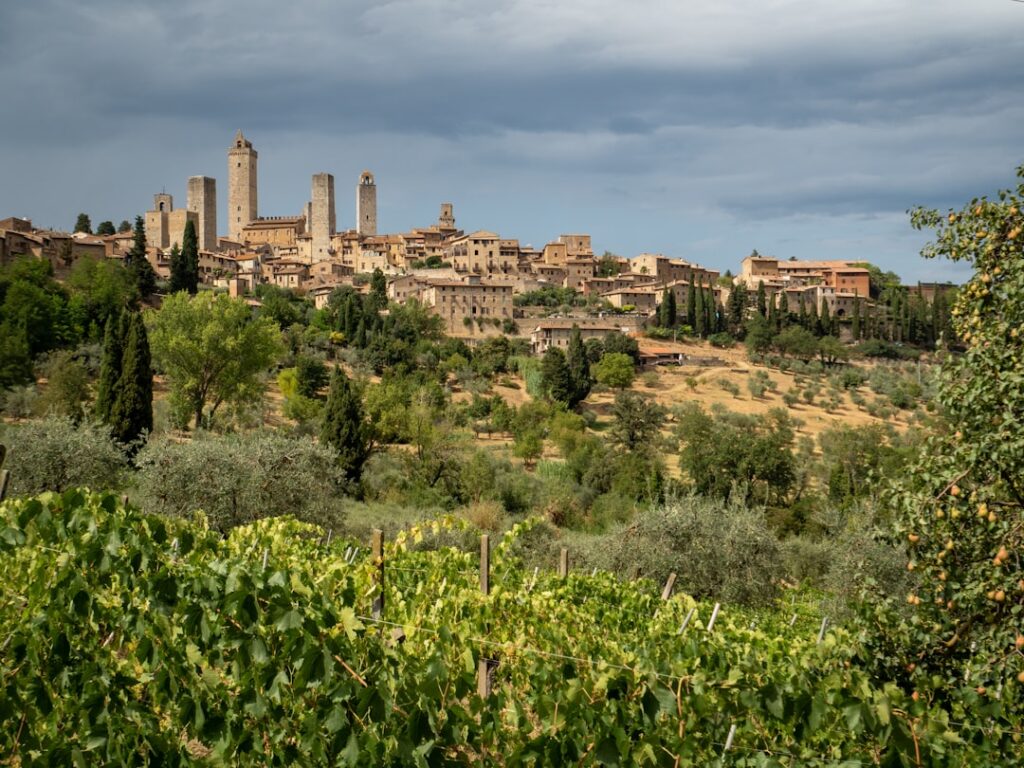
San Gimignano, perched on a hill in the Tuscan countryside, is famous for its medieval towers, cobbled lanes and, of course, Vernaccia di San Gimignano — a dry, mineral white wine with surprising elegance. For food-loving travelers, taking home one (or several) bottles of Vernaccia is more than a souvenir: it’s bringing back a story, a terroir and a palette of aromas you won’t find anywhere else. But how do you choose among the many shops and small wineries in the area? How do you spot a Vernaccia with real character, and most importantly, how do you transport it safely back home?
In this article I’ll walk you step by step through the boutique-wineries (small wineries with a shop) of San Gimignano and the immediate surroundings. You’ll find exact addresses, up-to-date opening hours, realistic price ranges, sensory descriptions and practical tips for storage, transport and tasting at home. Whether it’s a family cellar lovingly bottling by hand, a stylish wine shop at the foot of the walls, or an estate offering private tours through golden vineyards, I’ll also describe the atmosphere, the people who will welcome you and the food pairings that best show off Vernaccia.
Vernaccia di San Gimignano is unique for several reasons: its soils rich in galestro and clay, often elevated exposure that protects from extreme heat, and local know-how that has modernized age-old traditions. These factors create wines that are floral, fruity and slightly saline, with bright acidity and a salty finish. You’ll learn how to recognize a quality Vernaccia — pale, luminous color; a complex nose of apple, candied lemon, white flowers and mineral notes; a structured palate with a gentle bitter finish — and how to tell large-volume house wines apart from true terroir-driven cuvées worth bringing home.
Finally, I’ll share concrete tips: how to negotiate a price for multiple bottles, which bottles are best for air travel, where to find special packing and insurance for your wines, and even how to request an invoice in English for customs. Get your notebook ready — in the sections that follow you’ll find exact addresses, hours, immersive descriptions and pairing suggestions to extend your Tuscan experience once you’re back home.

Tenuta Torciano — family tasting and shop just minutes from the town
Tenuta Torciano is a must-visit for discovering Vernaccia. Located at Località Tognano 4, 53037 San Gimignano SI, Tenuta Torciano is only about 3 km from the walls, set in a rural landscape where cypresses and olive trees frame the vine rows. The reception is in a restored farmhouse: staff are often family members, bilingual in English and Italian, and the visit usually starts with a guided walk through the vineyards explaining the soils, grape varieties and farming practices.
Opening hours: Monday–Saturday 10:00–19:00; Sunday by appointment. Closed December 25 and January 1.
Tenuta Torciano’s shop offers several Vernaccia di San Gimignano bottlings: Vernaccia Classica (€11–13 per bottle), a reserve aged in oak (€18–25), and a Vernaccia passito or dessert wine (€22–30). Guided tastings typically cost between €15 and €25 per person for 3–5 wines, with an option to upgrade to cheese-and-cured-meat pairings for an extra €10. A full visit with a Tuscan lunch can be arranged and ranges from €40 to €65 per person depending on the menu.
Why choose Tenuta Torciano to bring home Vernaccia? The authenticity of the place, consistent quality across the range, and the chance to buy directly at producer’s prices. Beyond bottles, the shop sells extra-virgin olive oil (0.5 L €10–15), local balsamic vinegar and gift boxes ready to ship. They pack bottles with materials suited to air or road transport: a 6-bottle pack costs around €12–25 depending on padding, and international shipping options are available via logistic partners.
Practical tips: arrive early to avoid summer heat during the vineyard walk; ask about the vintage, especially if you’re buying a wood-aged cuvée (its aromatic profile can be quite different); if you plan to buy several bottles, try negotiating a 5–10% discount or complimentary professional packing. Also ask for the invoice titled in English (« wine purchase ») if you need documentation for customs on your return.
 Click here to book a lunch and wine tasting

Azienda Agricola Panizzi — historic wine shop in the heart of San Gimignano
Azienda Agricola Panizzi is a historic house in San Gimignano located in the town center at Via San Matteo 18, 53037 San Gimignano SI. This in-town location makes it an ideal stop for visitors wanting to buy Vernaccia without straying from the towers. The place blends tradition and accessibility: the shop occupies a rustic ground floor with exposed stone walls and shelves filled with bottles organized by vintage.
Opening hours: every day 09:30–19:30; in winter opening hours may be reduced (09:30–17:30 on weekdays). Mostly closed on December 25 and January 1.
Panizzi’s range includes Vernaccia di San Gimignano Classica (€12), Vernaccia Selezione (€20), plus special cuvées aged in amphora or on the lees (€26–35). The shop offers à la carte tastings: 3 wines for €12, 5 wines for €20, and a vertical tasting by reservation starting at €40 per person. Owners or the sommelier are often present to tell the family story, the evolution of their practices, and the effect of the urban microclimate on the grapes.
The Panizzi shop experience is truly immersive: you’ll also find local gourmet products (Pecorino di Pienza €8–15, artisanal jams €6–9), and the option to buy corporate or gift boxes. For travelers by train or plane, the shop offers national and international shipping; packing prices start at €15 for 3 bottles, plus shipping fees. One practical tip: ask whether they can prepare a certificate of origin for the Vernaccia (DOCG) — useful if you’re carrying unsealed bottles in your cabin.
Local tips: in summer ask for bottles cooled down (Vernaccia shows better when fresh); tell the shop your travel plan (flight or car) so they prepare the right packaging. And above all, don’t leave without tasting the Vernaccia « on the lees » — often more textural and perfect with seafood or lighter fare.
Click here to taste wines and local dishes at a family estate
Fattoria La Castellina and other small family cellars around San Gimignano
Around San Gimignano the countryside is dotted with small family vineyards that still practice artisanal winemaking. Fattoria La Castellina, located at Località La Castellina, 53037 San Gimignano SI (a small country road about 4 km from the center), is a typical example: limited production, hand-harvested fruit, and a simple but welcoming shop. These smaller operations often offer unusual formats (500 ml bottles, magnums) and local labels you won’t find anywhere else.
Opening hours: hours can vary by season and harvest — generally 10:00–18:00, but it’s essential to call ahead to confirm in the low season (number available online or via the San Gimignano tourist office).
Indicative prices: Vernaccia Classica €10–14; special cuvées €18–28. Many of these farms offer private tastings for small groups (6–12 people) around €20–35 per person, including Tuscan tapas. Buying directly at the farm often saves you money compared with tourist shops, since margins are lower and sometimes you can buy in bulk or even small quantities from tanks (subject to availability).
What sets these small cellars apart is their educational approach: they’ll show you the fermentation room, the barrels, and explain their choices in aging (stainless steel vs wood vs amphora). You’ll quickly learn that Vernaccia varies greatly depending on the aging method — steel for freshness and liveliness, wood for vanilla and spice notes, amphora for a purer fruit expression. These visits are ideal for enthusiasts who want to understand the nuances before buying.
Practical tips specific to farms: bring a GPS or detailed map — some rural addresses are poorly signposted; pack a small cooler if you plan to buy several bottles in summer; always ask if the invoice can be issued in a company name if you need documentation for customs; and be friendly — a producer might even gift you a small bottle if you’re curious and polite.
Click here to book a vineyard visit with tasting and lunch
How to choose, pack and bring your Vernaccia home: practical tips and customs
Choosing the best Vernaccia depends not only on price but on your plan: quick consumption, cellaring or gift. If you plan to drink the bottle within a year, favor a young steel-aged Vernaccia (€10–14). For special occasions, pick a wood-aged selection or a cuvée to keep (€18–35). For a culinary souvenir, a Vernaccia passita or a special vintage will make an impression.
On packing and transport, here’s a detailed, pragmatic guide. Shops and estates in San Gimignano generally offer three options:
- Standard paper and bubble wrap: free or €2–5, useful for short car trips.
- Professional foam or reinforced cardboard packaging: €12–30 depending on bottle count (ideal for flights or shipping).
- International shipping service: variable price, often €40–120 depending on destination and insurance.
If you’re flying, pay attention to cabin rules: most airlines don’t allow liquids over 100 ml in the cabin, so bottles must be checked in or shipped. Check customs rules for your destination country: within the EU allowances are generous, but outside the EU some countries tax or duty goods above a certain volume. Always ask for a detailed receipt and a certificate of origin (DOCG Vernaccia di San Gimignano): these documents speed up formalities.
Carry-on options for flights: consider rigid, cabin-approved cases for 1–2 bottles if you have an extra seat or a cabin bag designed to protect bottles. For large purchases, prefer shipping via the winery: it’s safer, often insured and sometimes cheaper than paying for heavy protective packaging.
Storage tips after purchase: keep Vernaccia in a cool place (10–14 °C), away from light and vibrations. A young Vernaccia is best within 6–24 months; a wood-aged selection can keep 3–7 years depending on vintage. Before serving, chill to 8–10 °C for lighter wines, 10–12 °C for more structured cuvées. Use tulip-shaped white wine glasses and, if the wine is on the lees, let it breathe for 15–30 minutes to reveal its richness.

Food pairings and quick recipes to enjoy with Vernaccia
Vernaccia di San Gimignano shines with simple, fresh cooking. Its saline note and acidity make it perfect with seafood, grilled fish, antipasti and tomato-based dishes. Here are some concrete pairings and quick recipes you can try once you’re back home.
Classic pairings:
- Vernaccia Classica (€10–14) — Oysters, salmon carpaccio, tomato-and-basil bruschetta.
- Vernaccia on the lees or in amphora (€18–28) — Asparagus risotto, clam pasta, warm octopus salad.
- Wood-aged Vernaccia reserve (€20–35) — Roast chicken, buttered gnocchi, lightly aged cheeses (young Pecorino).
Quick recipe: linguine alle vongole (clams and pasta) — sauté 2 crushed garlic cloves in 3 tablespoons extra-virgin olive oil, add a pinch of chili, deglaze with a splash of white wine (use a dash of Vernaccia), add 500 g cleaned clams and 300 g al dente linguine. Finish with fresh parsley and lemon zest. Serve with the same Vernaccia well chilled (8–10 °C) for a perfect match.
Serving tips: use fairly wide white wine glasses to capture the floral aromas; avoid serving the wine too cold as it masks complexity; if the bottle is very young, let it warm a few minutes in the glass. For tastings with friends, organize a « Vernaccia flight » — three glasses (classica, on the lees, reserve) with small paired bites so you can compare the styles.
Click here to learn Tuscan cooking with wine tasting

Conclusion — Bringing Vernaccia home is as cultural as it is practical
Bringing home the best Vernaccia from San Gimignano mixes curiosity, respect for terroir and good practical sense. Beyond buying bottles, it’s a sensory and human experience: conversations with passionate winemakers, walks through sunlit vineyards, and tastings that reveal the geological and climatic story of an exceptional micro-terroir. The boutique-wineries I’ve highlighted — from Tenuta Torciano to Azienda Agricola Panizzi and the smaller family farms — each offer a different take on Vernaccia, and it’s by visiting several that you’ll refine your palate.
On a practical level, remember the essentials: check opening hours and call to confirm visits (especially in low season), negotiate when buying in volume, ask for professional packing if you’re flying, and keep purchase documentation for customs. Prices vary by cuvée and producer — expect €10–35 per bottle for quality Vernaccia — and smaller margins at farms or shops can get you interesting deals or specially prepared gift boxes.
Finally, bringing Vernaccia home is also about extending a story: host a tasting when you return, share anecdotes heard at the estate, the pairings you discovered, and maybe prepare some Tuscan recipes with products you picked up locally. Vernaccia di San Gimignano is versatile, lively and expressive enough to star at your summer meals or intimate dinners. Whether you’re a collector, an informed enthusiast or a traveler after a memorable souvenir, San Gimignano’s boutique-wineries have something to surprise and satisfy you. Buon viaggio and enjoy your tasting — and don’t forget: the best bottle is often the one you share.