Introduction: San Gimignano and the question of « best preserved »
San Gimignano, perched on a Tuscan hill about 50 km southwest of Florence, is one of the rare medieval towns in Italy that has kept, almost intact, the urban and monumental spirit of the Middle Ages. Its slender towers, cobbled streets, ornate churches and civic palaces form a unique heritage landscape listed as a UNESCO World Heritage site. But when we ask which is the « best preserved » monument in this fortified town, the issue goes beyond appearances: it involves architectural authenticity, the condition of interior decorations (paintings, frescoes), structural integrity, the appropriateness of restorations, and the site’s ability to deliver a faithful historical experience to the modern visitor.
This guide examines, in a detailed and comparative way, the main monuments vying for that title: the Collegiata di Santa Maria Assunta (the cathedral, often called the Duomo of San Gimignano) at Piazza del Duomo, 1; the Torre Grossa (the town’s tallest tower, on the same square); the Palazzo Comunale – Museo Civico (Piazza del Duomo, 1); and a few smaller but notable churches like Sant’Agostino (Piazza Sant’Agostino, 13). For each site I’ll list the exact address, typical opening hours, entry fees in euros, a brief history, the condition of frescoes or structures, and local tips to visit away from the crowds.
Why this kind of report? Because in San Gimignano the quality of your visit depends as much on which monument you choose as on the season, the time of day and an understanding of past restoration work. Some buildings still hold interior medieval decorations in outstanding condition; others show exceptional structural conservation but interiors that were altered later. My goal is to give you a reasoned verdict: which monument, today, really deserves the label « best preserved » when weighing all heritage criteria and the visitor experience. Practical details (addresses, prices, hours) are updated according to the latest public information and common practices, but keep in mind that rates and opening times can change with the season or local events.
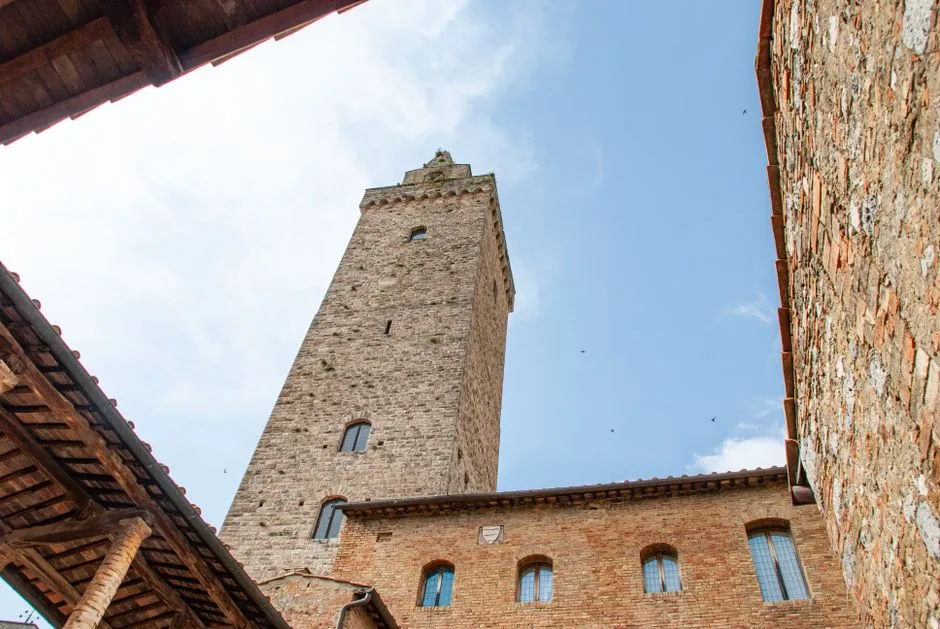
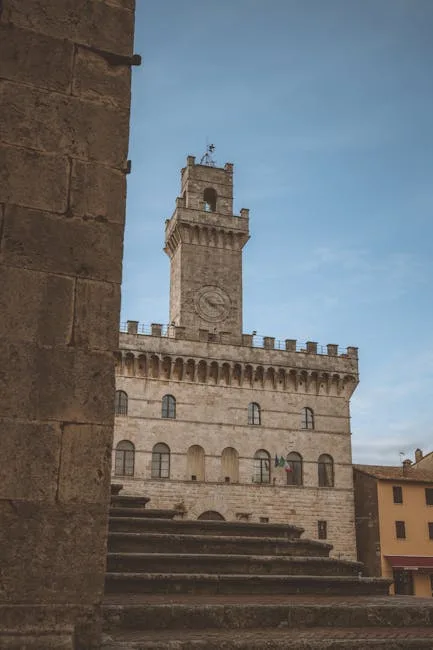
Torre Grossa and Palazzo Comunale: preserving the civic ensemble
The Torre Grossa is the tallest tower in San Gimignano (54 meters) and is an integral part of the civic complex on Piazza del Duomo, 1, 53037 San Gimignano (SI), Italy. The tower is managed by the Complesso Museale di San Gimignano – Museo Civico (Palazzo Comunale), and access is generally via a combined Palazzo Comunale + Torre Grossa ticket. Typical price: around €9.00 – €10.00 for the combined adult ticket (2024/2025 rates; discounts for youth and seniors). Usual opening hours: 10:00 – 19:00 (May to September), 10:00 – 16:00 (October to April), closed on some public holidays; check the official site for exact opening times and exceptional closures.
Why is it a contender for « best preserved »? First, because the tower—open to the public and carefully restored—offers a clear reading of medieval defensive architecture: original stones, arrow slits, repointed joints, and a vertical structure that informs visitors about 14th–15th century building techniques. Climbing the inner wooden-and-stone staircase reveals elements often hidden from the outside: corbels, old floor supports, and how the tower integrates with the urban fabric. The summit view sweeps across the Elsa valley and the tuff roofs, providing an immersive heritage experience.
The Palazzo Comunale – Museo Civico (same address: Piazza del Duomo, 1) houses municipal chambers and richly painted decorations. The frescoes by Lippo Memmi and other 14th-century painters are visible in the Sala di Dante and the Sala del Podestà. These cycles are notable for their state of preservation: some panels have been restored in a conservative manner, respecting the original layers and materials. The museum also displays documents, seals and civic objects that help explain medieval political and social life.
Local practical tips: arrive early in the morning (or late afternoon outside high season) to avoid lines; buy the combined ticket at the museum ticket office (card payment is usually accepted); and wear comfortable shoes for the Torre Grossa climb. If you’re interested in architectural details, ask the museum staff about recent consolidation projects: they can point out original parts versus modern reinforcements, which is essential for judging authenticity.
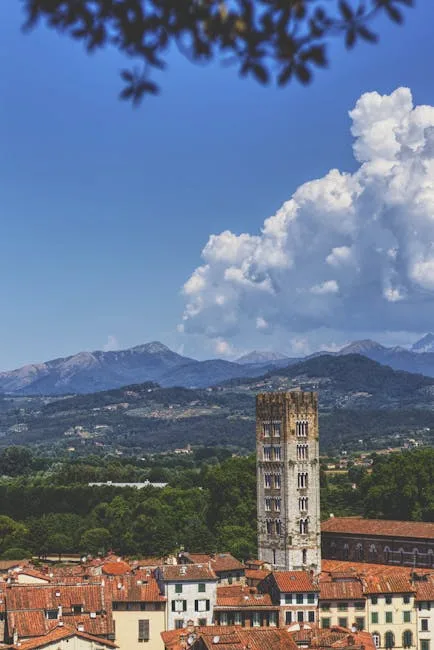
Collegiata di Santa Maria Assunta: frescoes and liturgical integrity
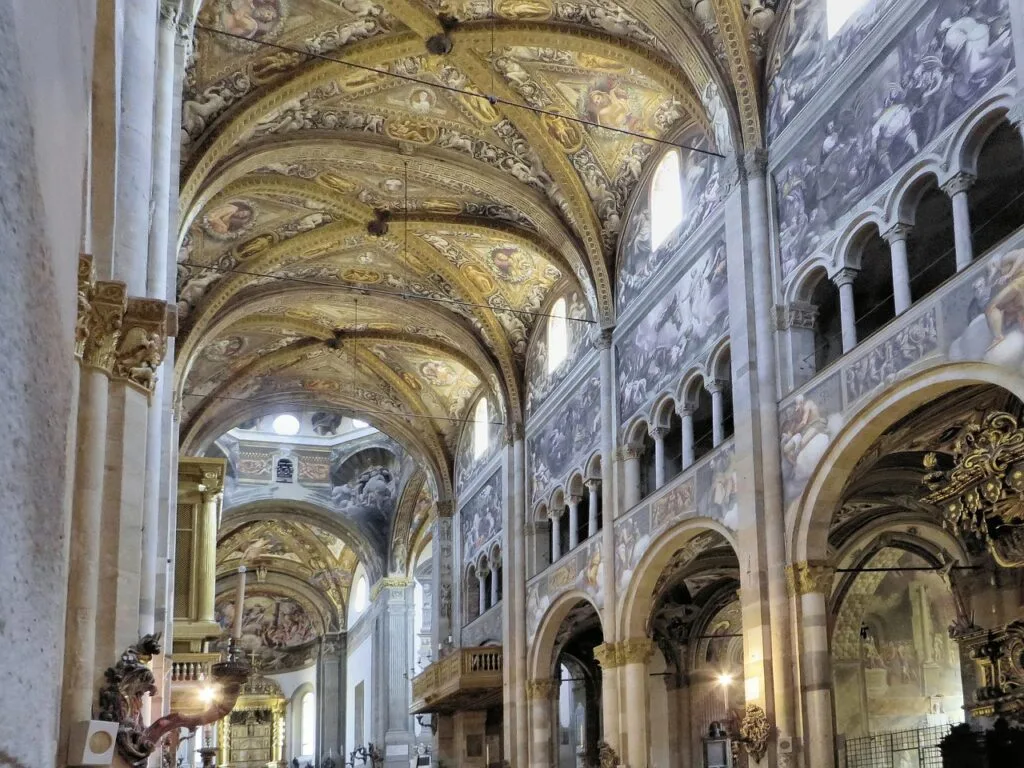
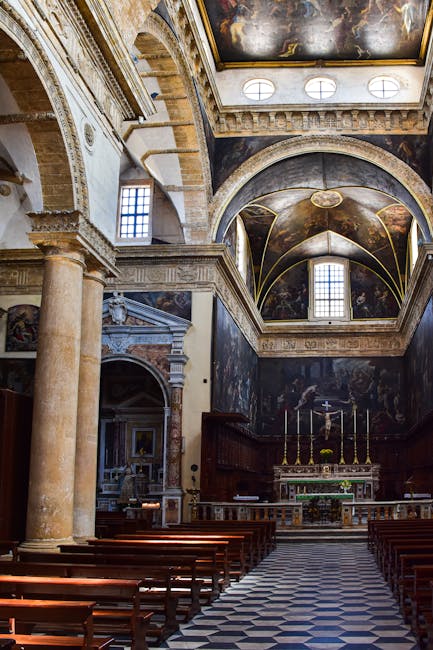
The Collegiata di Santa Maria Assunta, commonly called the Duomo of San Gimignano, is also on Piazza del Duomo, 1, 53037 San Gimignano (SI), Italy. It’s the town’s most famous religious building because of its complete cycles of medieval frescoes preserved on the nave and side chapel walls. Entry fee: around €6.00 – €8.00 per adult for access to the frescoes and the baptistery (price varies with temporary exhibitions). Hours: usually 09:30 – 18:30 in high season, with shorter hours in low season; masses and religious services may require partial closures.
What sets the Collegiata apart is the quality and density of its iconography: biblical scenes, cycles from the Life of Christ, Deesis episodes and saints painted by Tuscan artists, including workshops close to Giotto. The condition of preservation is outstanding: many frescoes have been protected under covering layers and restored by teams specialized in natural pigments and compatible mortars. Painted surfaces still show vivid color layers, minimal invasive restoration and a legibility that lets visitors follow the religious narrative much as people would have in the Middle Ages.
On a liturgical and functional level, the Collegiata has retained its role as a place of worship, which strengthens its integrity: altars, baptismal fonts and liturgical furnishings remain in their historical positions (even if some items have been restored or reinstalled). This makes the visit both museum-like and alive—different from a building entirely converted into a museum.
Tips: respect mass times (posted at the entrance), especially if you want to photograph without crowds. For an in-depth reading of the frescoes, hire a local guide (prices vary: typically €60–€100 for a private 1–2 hour guide, to be shared by your group) or use an audio guide if available. Visitors sensitive to light should note that the Collegiata uses low lighting to preserve pigments, creating a dim atmosphere that improves visual reading but can require more attention for photography.
Other contenders and the verdict: Sant’Agostino and the urban heritage
Beyond the Collegiata and the Torre Grossa/Palazzo Comunale, other monuments deserve serious mention. The church of Sant’Agostino (Piazza Sant’Agostino, 13, 53037 San Gimignano SI) contains notable frescoes and sculptural ensembles, and is often less crowded than the Collegiata. Entry is often free or by voluntary donation, with hours that vary according to services; in high season it’s usually open from 10:00 to 18:00 most days. Sant’Agostino is especially appealing for visitors seeking a quieter, more intimate experience, with well-preserved interior decorations and a monastic architecture that speaks to everyday medieval religious life.
The urban fabric of San Gimignano itself—streets, gates, tower-houses and walls—constitutes a continuous heritage: the preservation of the street plan, the stone façade alignments and basalt paving is remarkable. It’s not just about a single monument but an ensemble where the relative integrity of each element supports the overall value of the site. From this perspective, the « best preserved » might be seen not as one building but as the collective conservation of the historic center.
Still, if we must name one monument, the verdict leans toward the Collegiata di Santa Maria Assunta. Why? Because it combines interior integrity (very legible, ancient fresco cycles), continuous liturgical use, and exemplary technical conservation that has respected original materials and methods. The Torre Grossa and the Palazzo Comunale are also exceptionally well preserved, but their value is more structural and civic in nature; the Collegiata, on the other hand, directly delivers the visual and spiritual medieval experience, making it the most complete site in terms of artistic and functional preservation.
Final local tips: combine the Collegiata visit with the Torre Grossa on the same day (combined ticket) for a full picture—interior frescoes followed by a panoramic urban view. Buy tickets early, favor the low season for contemplative visits, and stop by the small osterie around Via San Giovanni for breaks (examples: Osteria del Carcere, Via San Giovanni, 136; opening times and menu prices vary—budget about €20–€35 per person for a simple meal).
Conclusion: summary and recommendations for visitors
In short, San Gimignano is a cohesive heritage site where the notion of « best preserved monument » deserves a nuanced approach. If you prioritize structural state and architectural reading, the Torre Grossa and the Palazzo Comunale stand out for the clarity of their forms and the quality of restorations. If you value decorative richness and continuity of use, the Collegiata di Santa Maria Assunta is the monument that best blends authenticity, historical legibility and aesthetic impact. For these reasons, my verdict—based on the condition of frescoes, liturgical integrity, conservation interventions and the visitor experience—names the Collegiata as San Gimignano’s « best preserved » monument.
Practical advice for the visitor: allow at least a half day to combine visits (Collegiata + Torre Grossa/Palazzo Comunale), buy the combined ticket at the Museo Civico (Piazza del Duomo, 1), arrive early to get the best light and smallest crowds, wear comfortable shoes for the cobbled streets, and observe silence and conservation rules inside churches. The prices mentioned (Torre Grossa/Palazzo Comunale ~ €9–€10, Collegiata ~ €6–€8) are indicative: always check before visiting for discounts, family tickets or temporary exhibitions.
Finally, remember that San Gimignano offers sensory pleasures beyond the monuments: renowned artisanal gelato (Gelateria Dondoli, Piazza della Cisterna, 4—try the « cremino » flavor; single scoop ~ €2.50–€3.50), panoramic views over the Tuscan countryside, and local craft shops. The best visit combines historical curiosity, respect for the sites and a bit of time to savor the medieval atmosphere that makes San Gimignano so special.