





Introduction — Vinegars and homemade preserves in San Gimignano: a Tuscan way of life
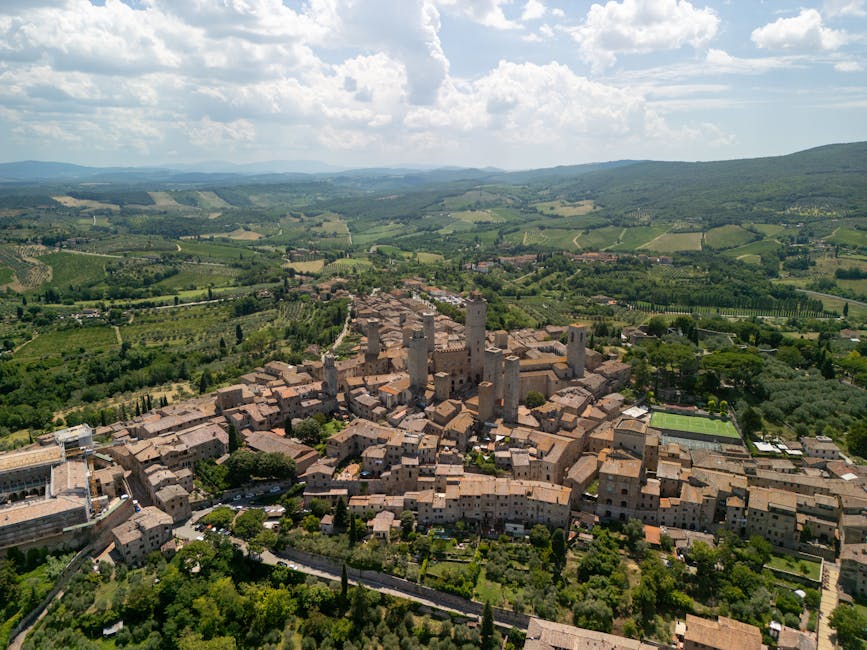
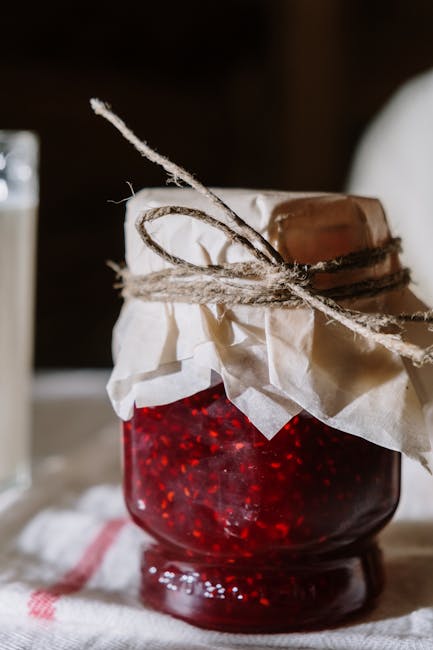
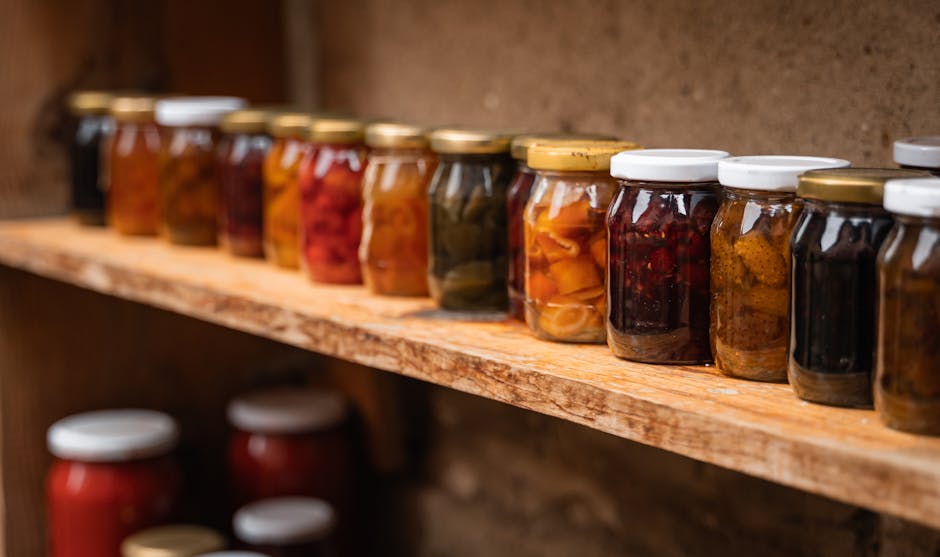
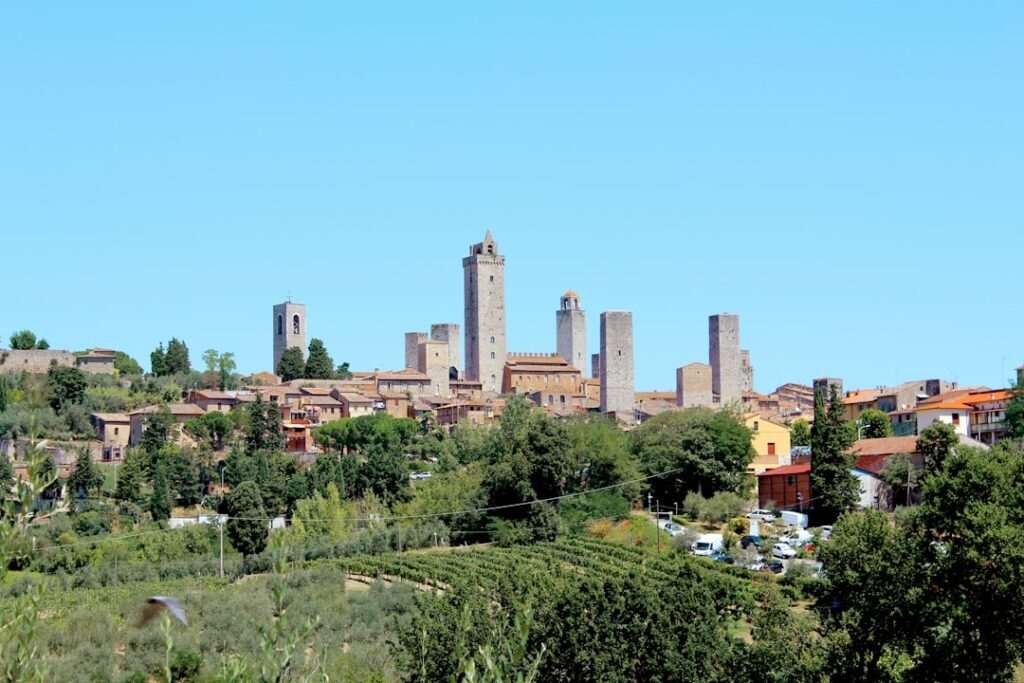
Perched on the hills of the Val d’Elsa in Tuscany, San Gimignano is famous for its medieval towers, cobbled lanes and award-winning gelato. Less often highlighted in international guides is the local culinary tradition of home canning and vinegar-preserved products — a craft that has fed peasant families here for generations. In a village where time feels paused, the glass jars lined up on kitchen shelves and in tiny shops tell stories of seasonality, respect for the land and a simple but exacting know-how.
In this detailed introduction we’ll explore why San Gimignano is such a great place to discover pickled goods and artisanal preserves. You’ll find markets, workshops and addresses where you can buy or learn to make jarred antipasti, quick pickles, rustic jams and local specialties like cipolla marinata (marinated onions) or sun-dried tomatoes preserved in oil and vinegar. We’ll also cover local uses: how Tuscans pair these products with simple dishes — bruschette, cold pasta salads, meat stews — and the family-style conviviality around the table.
Making preserves in Tuscany relies on a few core principles: perfectly ripe ingredients, quality extra-virgin olive oil, local wine vinegars (sometimes reduced at home), and carefully controlled temperatures to ensure preservation. Around San Gimignano, the sunny hill microclimate produces dense tomatoes, meaty eggplants, flavorful peppers and aromatic herbs (rosemary, sage, basil) that go into these recipes. You’ll also meet artisans who transform fruits — figs, peaches and plums — into sweet or tangy preserves that pair wonderfully with local cheeses like ricotta or pecorino.
This guide will take you step by step through the best places to buy, the workshops where you can learn, and the markets where you can sniff, taste and choose. I’ll outline tasting routes in San Gimignano and nearby areas, give practical tips for bringing jars home safely, and share simplified recipes to try. By the end you’ll have a full picture: where to buy, what to pick, how to prepare and, most importantly, how to live the Tuscan experience of preserves and vinegars — a blend of culture, terroir and hospitality.
Markets, shops and must-visit spots for preserves and vinegars
San Gimignano offers several prime places to find homemade preserves, flavored vinegars and local specialties. Here’s a detailed selection with addresses, opening times and practical tips for visiting and buying:
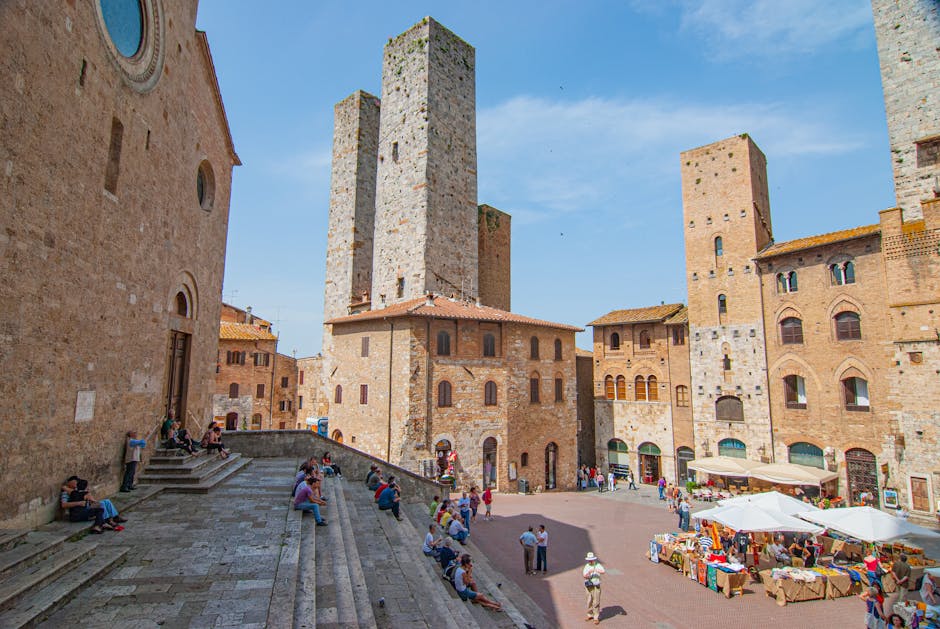
1. Mercato Settimanale di San Gimignano — Piazza delle Erbe
The weekly market (Mercato Settimanale) usually takes place on Wednesday mornings in Piazza delle Erbe and the surrounding streets. Address: Piazza delle Erbe, 53037 San Gimignano SI, Italy. Approximate hours: 08:00–13:00. Prices: artisan products from €4 to €20 depending on jar size; tastings are often free. You’ll find local producers selling jarred antipasti, sun-dried tomatoes in oil, pickled peppers and vegetable mixes preserved in oil or vinegar. Tip: arrive early, before 10am, for the best selection and to avoid the tourist crowds that fill the historic center later on.
2. Bottega del Gusto — Via San Giovanni 48
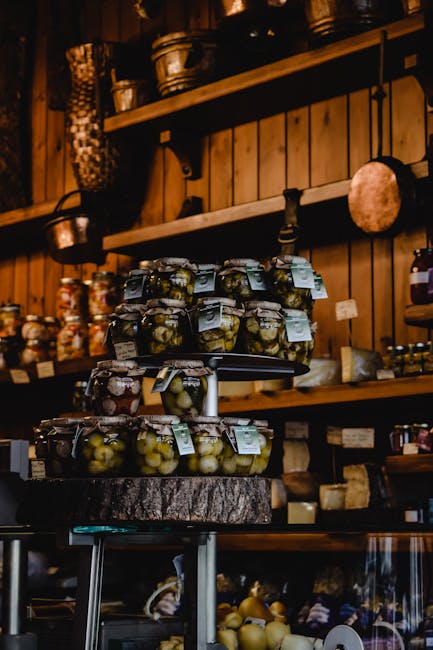
Small gourmet shop and regional deli: Bottega del Gusto, Via San Giovanni 48, 53037 San Gimignano SI. Hours: 09:30–13:00 and 16:00–19:30 (closed Sunday afternoons). Prices: jars of marinated vegetables €6–€12, flavored vinegars €8–€18 (250–500 ml). The shop offers a curated selection of local extra-virgin olive oils, balsamic vinegars (local or modest production) and homemade preserves made by nearby farmers. The owner is happy to recommend cheese/preserve pairings and often offers mini tastings on request.
3. Azienda Agricola Fattoria Poggio Alloro — Via di Montelibertà 12
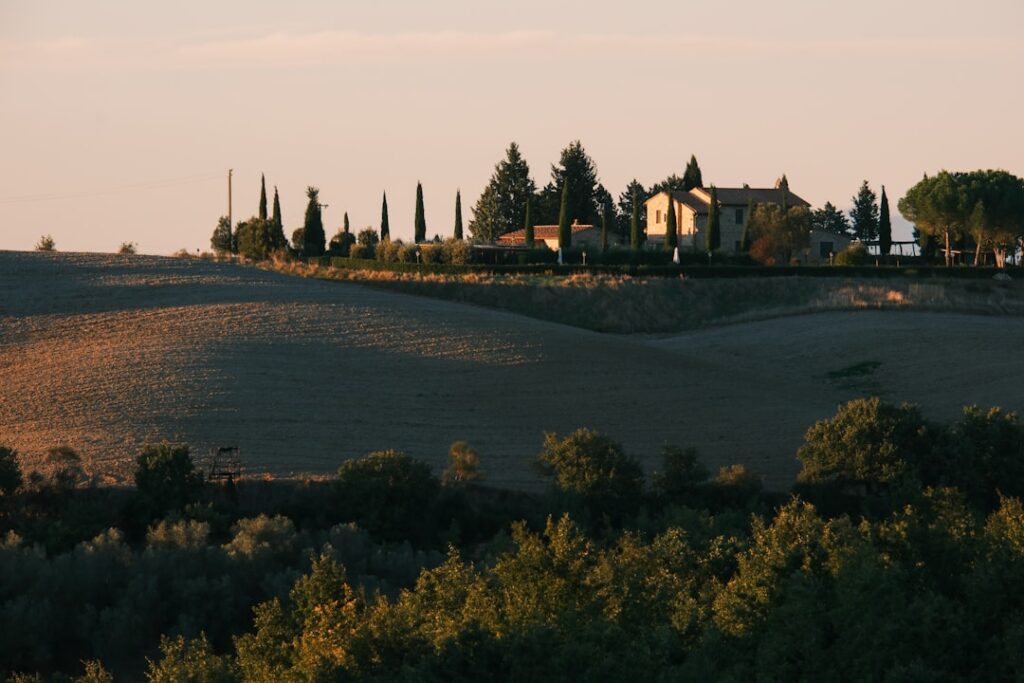
If you’re after a farm-to-table experience, Azienda Agricola Fattoria Poggio Alloro (Via di Montelibertà 12, 53037 San Gimignano SI) welcomes visitors and sells farm-produced goods: peeled tomatoes in vinegar, pepper preserves and homemade jams. Hours: by appointment (09:00–17:00). Prices: guided visit and tasting €15–€25 per person; farm jars €5–€14. Tip: book ahead by phone for a visit that combines an olive grove walk with a canning demonstration.
 Click here to book a farm visit with lunch
4. Enoteca Al Duomo — Piazza del Duomo 6
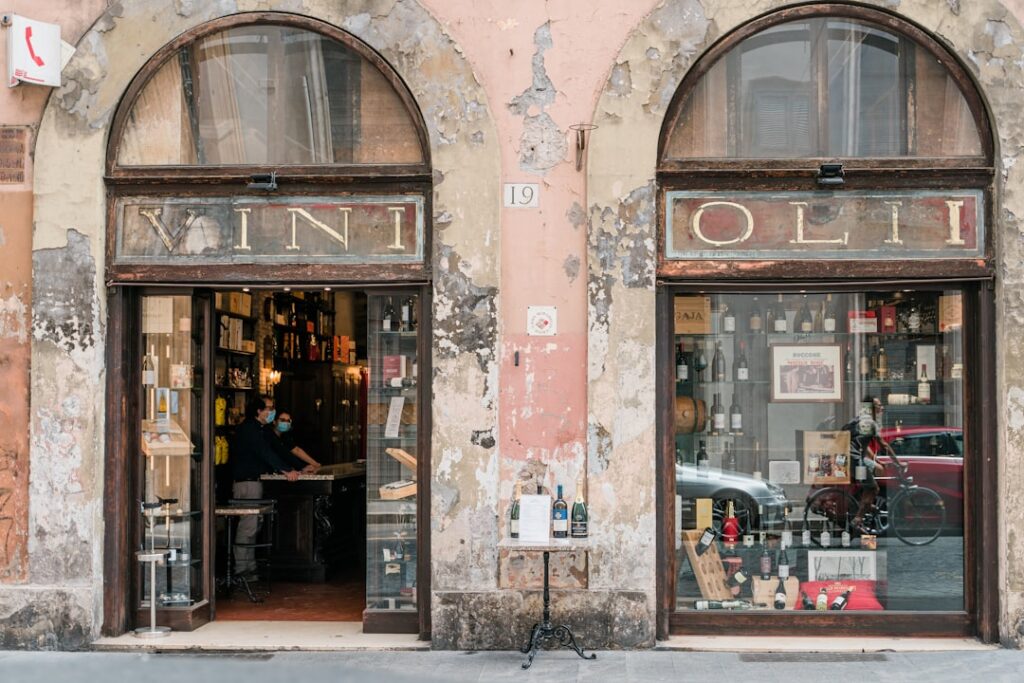
Enoteca Al Duomo, located at Piazza del Duomo 6, 53037 San Gimignano SI, is best known for its selection of local wines (Vernaccia di San Gimignano) but also carries a small range of artisan preserves and flavored vinegars that pair well with wine. Hours: 11:00–20:00 (sometimes closed Monday in low season). Prices: wine tastings €5–€12, accompaniment jars €6–€15. Staff can suggest food-and-wine pairings: for example, pickled peppers with a dry Vernaccia or sweet vinegar onions with richer wines.
Click here to taste Tuscan wines and oils with small bites
Practical tip: always ask about the product’s origin (local farm, artisan producer or import). Jars labeled “fatto a mano” or “prodotto locale” are often additive-free. For transport, wrap each jar individually and place them in a rigid box; if you plan to fly, check airline rules on liquids and food in checked luggage.
Workshops and experiences: learn to make vinegars and preserves
San Gimignano is not just a place to buy — it’s a place to learn, where the craft of preserving is passed on. Here are several workshop options, with addresses, hours and prices, to help you get started with making preserves and flavored vinegars.
Laboratorio di Cucina Toscana — Via San Matteo 4
Laboratorio di Cucina Toscana (Via San Matteo 4, 53037 San Gimignano SI) runs hands-on workshops of 3–4 hours focused on summer preserves and infused vinegars. Typical hours: morning classes 09:30–13:30 and afternoon sessions 15:00–19:00. Price: €55–€75 per person, includes tastings and a jar to take home. You’ll learn sterilization techniques, making acidic syrups, balancing acidity/sugar/salt and essential hygiene rules for safe preservation. The class includes a walk to the local market to select produce before jarring — a valuable moment to choose fruits and vegetables at peak ripeness.
Click here to book your spot in a Tuscan cooking class
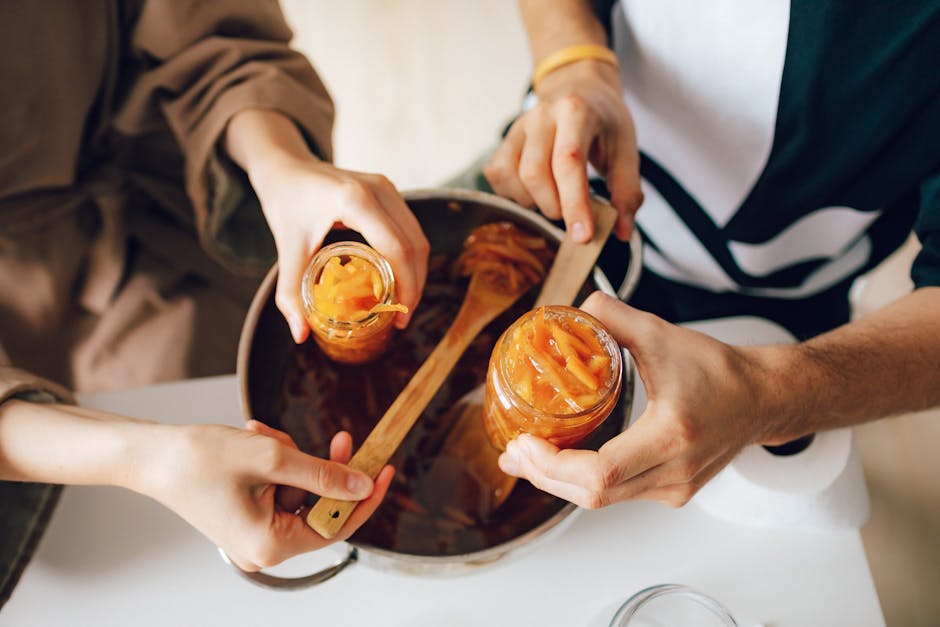
Cooking Experience at Agriturismo Il Sogno — Località Montemaggio 7
Agriturismo Il Sogno runs on-site courses that combine vegetable harvesting and preserving workshops. Address: Località Montemaggio 7, 53037 San Gimignano SI. Hours: sessions by reservation, usually in the morning. Price: €80–€120 per person (includes lunch using products prepared during the workshop). Participants learn to make sun-dried tomatoes, eggplants sott’olio (under oil), quick vinegar pickles and fruity chutneys. The experience is immersive: you’ll chop, cook, fill and sterilize under the guidance of a local chef, then share a convivial meal on the terrace with panoramic views of the towers.
Click here to join a pasta class and wine tasting
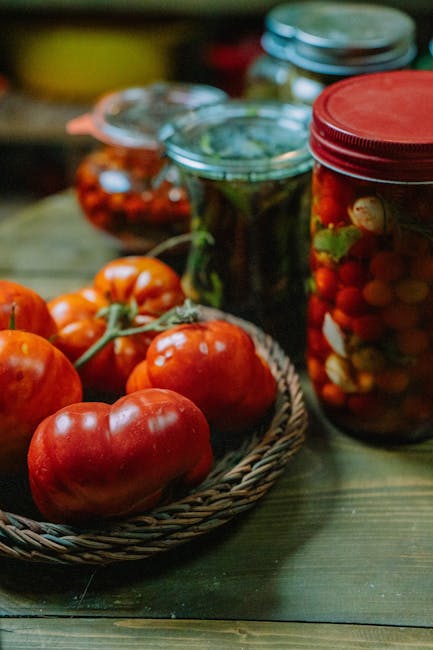
Masterclass Vinaigre & Aromi — Enoteca Le Torri
For vinegar enthusiasts, the Masterclass Vinaigre & Aromi, occasionally hosted by Enoteca Le Torri (Via Mainardi 10, 53037 San Gimignano SI), focuses on making and flavoring wine and balsamic vinegars. Hours: 2-hour late-afternoon sessions; booking recommended. Price: €40–€65 per person. You’ll explore the differences between wine vinegars and balsamic, learn herb, citrus and chili infusions, and take home a small sample bottle of your homemade flavored vinegar.
Click here to visit the olive mill and taste the olive oil
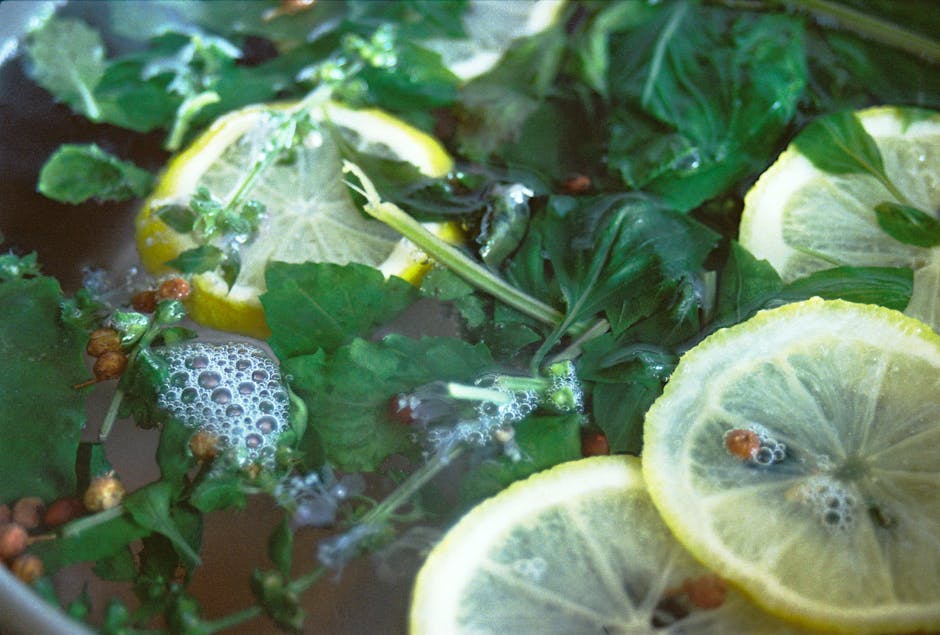
Tips before you sign up: wear comfortable clothes (expect stains), bring a notebook to record ratios and tricks, and ask about long-term storage and signs of spoilage. Workshops are often bilingual (Italian/English) but always check the language when booking.
Tastings and pairings: how to use preserves and vinegars in Tuscan cuisine
Knowing how to eat and serve these products is as important as knowing how to make them. San Gimignano preserves are typically simple, robust and designed to complement peasant-style dishes. Here are pairing suggestions, sample menus and presentation tips.
Classic pairings:
- Sun-dried tomatoes preserved in oil: perfect on a slice of pane casareccio (rustic bread) or in a cold pasta salad. Serve at room temperature to unlock the aromas.
- Vinegar-marinated peppers: excellent with Tuscan pecorino or grilled meats (especially sausage). Their acidity cuts through fat and brings freshness.
- Cipolle in agrodolce (sweet-and-sour onions): paired with roasted meats, liver crostini or even white pizzas, they add a distinctly Tuscan sweet-tangy note.
- Rustic fig jams: marry beautifully with sheep’s cheese, vanilla gelato or as a topping on crostini for aperitivo.
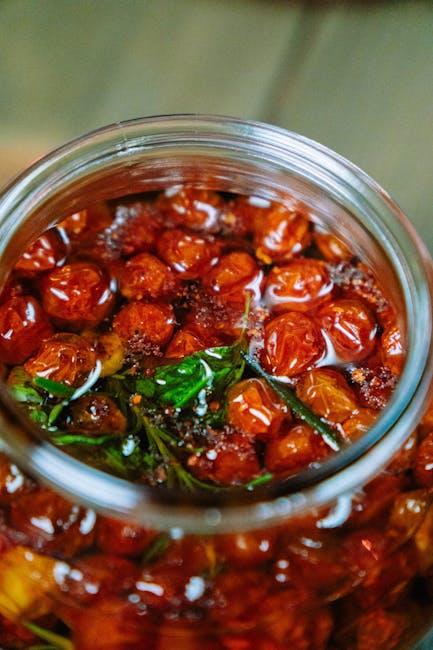
Sample menu for a Tuscan lunch built around preserves:
- Antipasto: crostini with country pâté, sun-dried tomatoes and local olive oil.
- Primo: cold short pasta with pesto, sun-dried tomatoes, olives and capers marinated in vinegar.
- Secondo: grilled lamb chops served with a salad of marinated peppers and raw fennel.
- Dolce: homemade fig jam crostata.
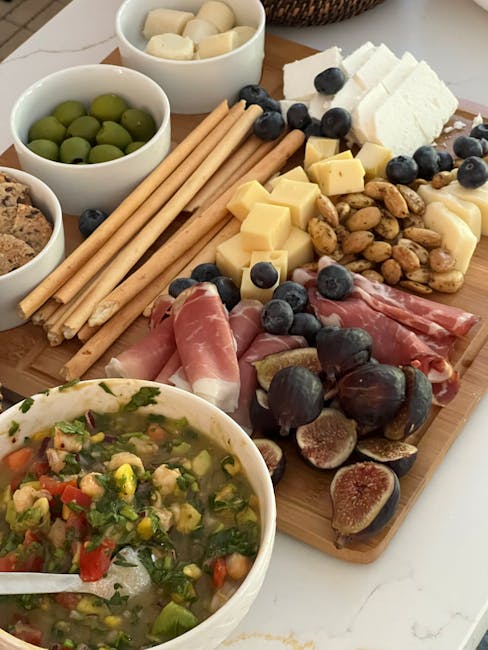
Serving tips: for oil-preserved products, take the jar out 30 minutes before serving so the oil can release its flavors. For vinegar-based items, drain slightly to avoid overpowering the plate with acidity. Above all, play with textures and temperatures: the sweetness of a jam balances a salty cheese, while the crunch of quick pickles adds contrast to slow-cooked dishes.
Practical tips for buying, transporting and storing your jars from San Gimignano
Bringing jars home on a trip requires a few practical precautions to avoid breakage and spoilage. Here’s a complete guide to buying and transporting your products, and how to extend their life once home.
Before buying
- Check the canning date and listed shelf life. Artisan jars often vary from 6 months to 2 years depending on the method.
- Ask about ingredient origins (farm, local producer) and whether additives or preservatives were used.
- Taste when possible. Local producers are proud to offer samples.
Packing for transport
- Wrap each jar in bubble wrap or thick cloth and place them in a rigid box (prefer plastic boxes or reinforced cardboard gift boxes).
- If flying, put jars in checked luggage; airlines may refuse liquids in the cabin. Also pack for humidity and pressure changes.
- For car trips, lay jars flat between clothing to cushion shocks and prevent movement.
Storing at home
- After opening: refrigerate and consume within 7–14 days for vinegar-based products, depending on acidity; for oil-preserved products, follow the producer’s recommendation for quicker consumption.
- Use clean utensils for each serving to avoid contamination.
- Label with the opening date if you keep several similar jars.

Final local tip: favor producers based in San Gimignano or nearby towns (Colle di Val d’Elsa, Certaldo); short supply chains often offer better traceability and higher quality. Don’t hesitate to support local farms by buying directly — you’ll bring home authentic flavors and help preserve traditional know-how.
Conclusion — Taking a jar of Tuscany home with you
The vinegars and homemade preserves of San Gimignano are more than jars on a shelf: they’re a memory of the land, a distillation of seasonality, technique and hospitality. Between the old-town markets, the boutique shops around Piazza del Duomo and the educational farms tucked into the hills, you’ll find experiences for every palate — from the casually curious to the serious foodie. Buying a jar in this corner of Tuscany means taking home a story; learning to make one yourself extends the trip into your kitchen.
To make the most of your stay, combine cultural visits (Torre Grossa, Torre dei Salvucci, Collegiata di Santa Maria Assunta) with culinary discoveries: stroll through Piazza della Cisterna, pause at Piazza del Duomo (Piazza del Duomo, 53037 San Gimignano SI) then head down to the market stalls to smell, touch and taste. Remember to book workshops in advance, especially during high season (May to September), and ask for clear labels on jars so the experience keeps working for you at home.
Finally, remember that the secret of the best preserves is often simplicity: ripe fruits and vegetables, honest olive oil, herbs picked at the right moment and a little patience. Whether you bring back marinated peppers, fig jam or a bottle of flavored vinegar, each jar will be a sensory reminder of San Gimignano — its golden towers, sunrises over cypress trees and long shared tables around a Tuscan meal. Buon viaggio e buon appetito!