





Introduction — Offal and Cured Meats: Why San Gimignano Is a Must-Stop
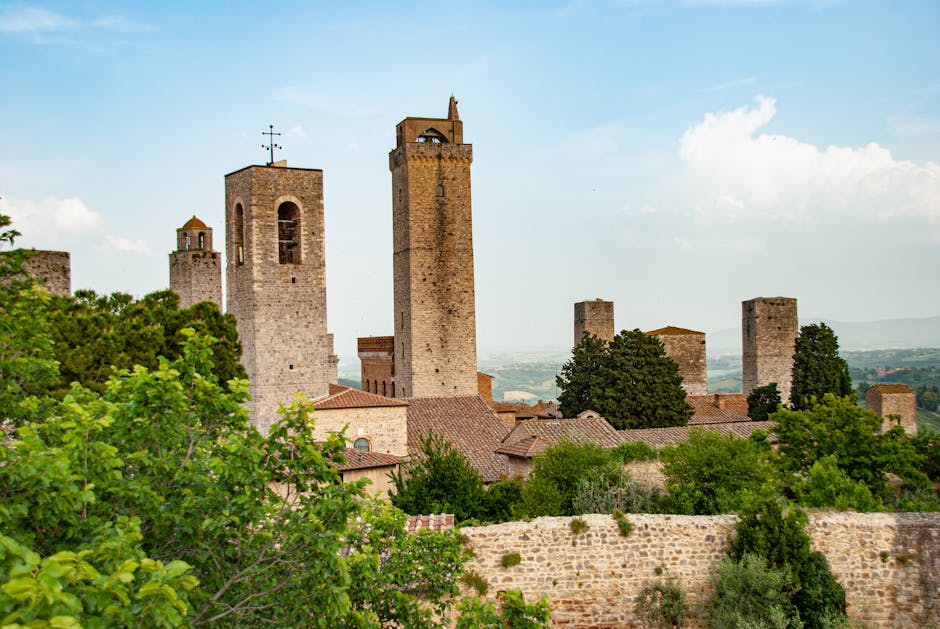
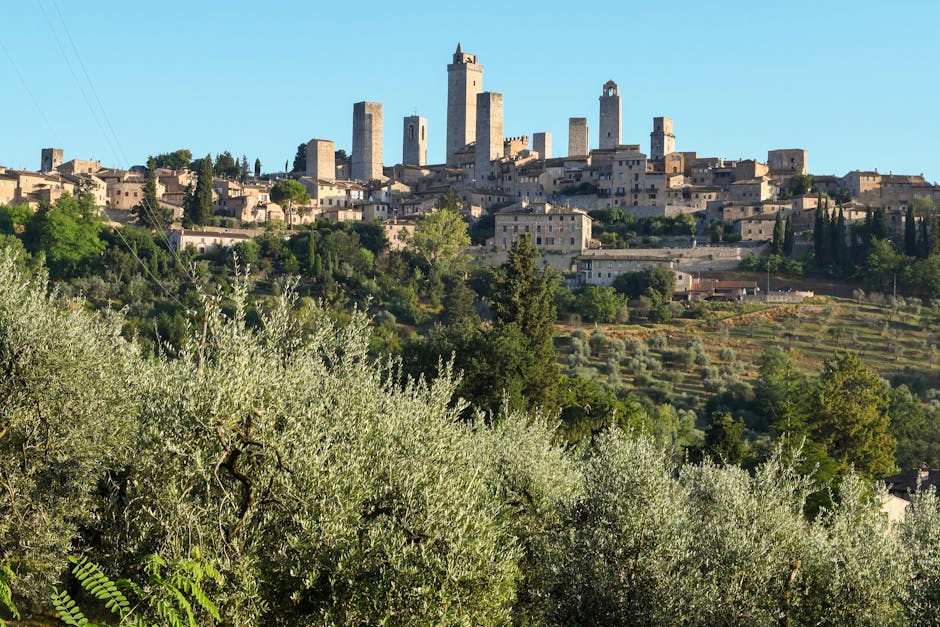
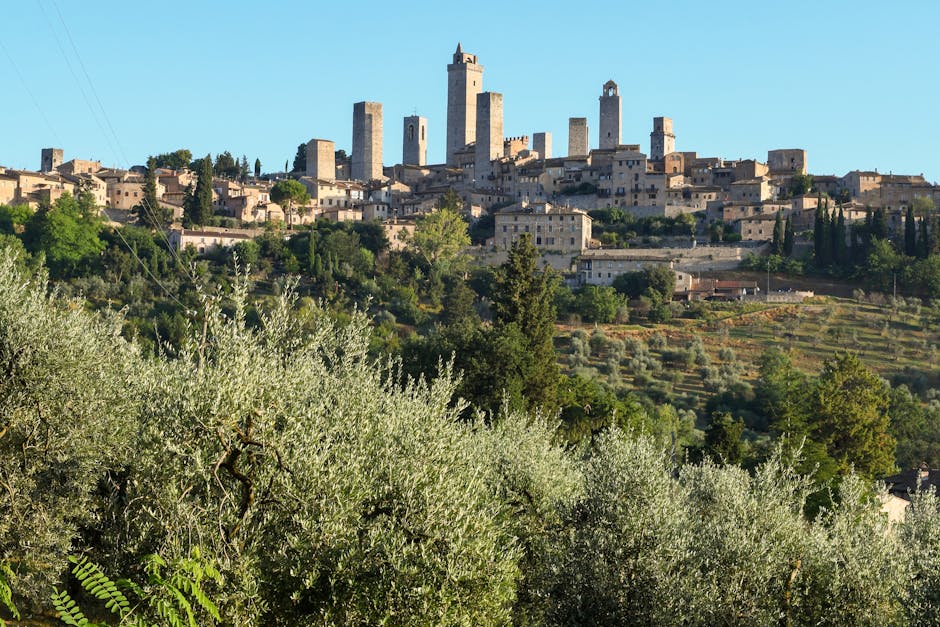
Perched on a hilltop in Tuscany, San Gimignano is famous for its medieval towers and a skyline that graces countless travel posters. But beyond the postcard views and stone alleys, the town and its surrounding countryside offer a genuine rural cuisine where tripe and cured meats (salumi) play starring roles. Understanding these specialties is a way to get under the skin of Tuscany: a food tradition born of the fields, focused on good produce, seasonality and skills passed down through generations.
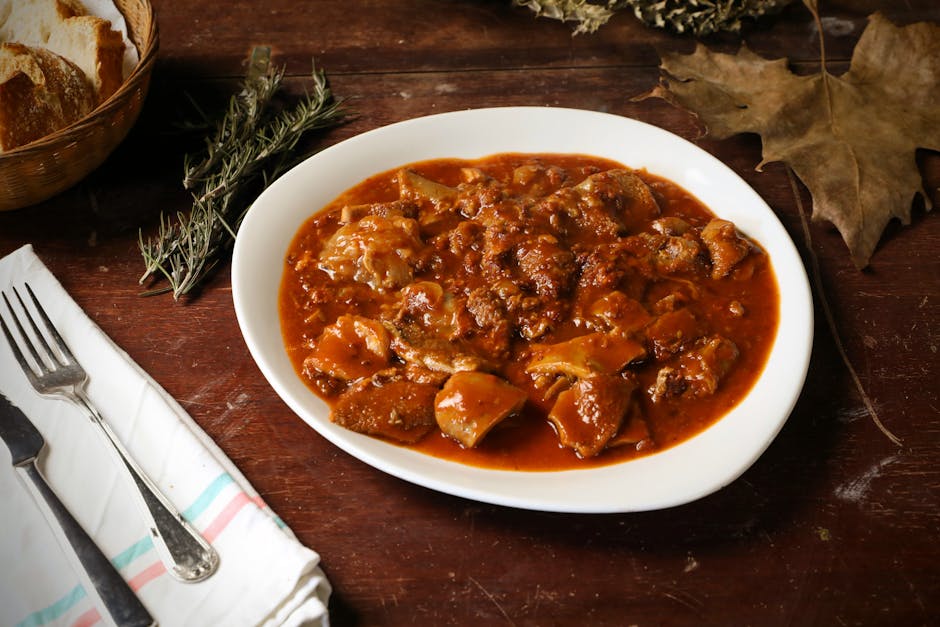
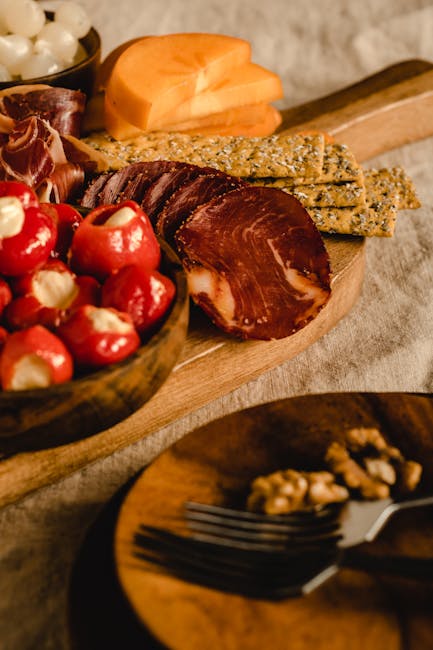
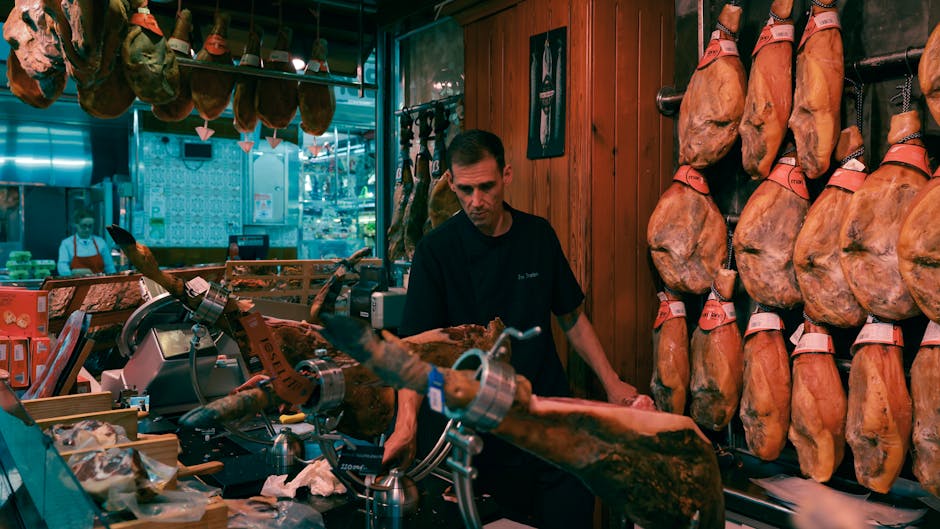
Tripe, often unfairly maligned, is a symbol of Italian peasant cooking. Around San Gimignano it’s prepared in many ways: slow-simmered in wine, brightened with tomato and herbs, served in a rich sauce or folded into pasta dishes. The local cured meats tell the story of shepherding and livestock farming: Tuscan prosciutto, salami, finocchiona (fennel sausage), coppa and lardo — frequently aged in cool cellars where the Tuscan climate lends them distinctive aromas.
For food-minded visitors, tasting these products in San Gimignano gives you an ideal triangle: local producers, specialty delis (salumerie) and restaurants that celebrate the ingredients. The Val d’Elsa and neighboring Chianti are home to renowned butchers and aging houses where you can buy cured meats straight from the source. Markets and small shops also serve sharing boards, often paired with local wines — Vernaccia di San Gimignano for whites, Chianti Classico for reds — which perfectly complement the rustic textures and flavors of salumi and tripe.
This piece is a practical, immersive guide: exact addresses, typical opening hours, indicative prices in euros, sensory descriptions of plates and shops, plus local tips to help you spot the best trippa and the most authentic cured meats. You’ll also find recommendations for nearby visits — to Panzano and Greve in Chianti — where historic butcher shops offer a full experience of tasting and buying.
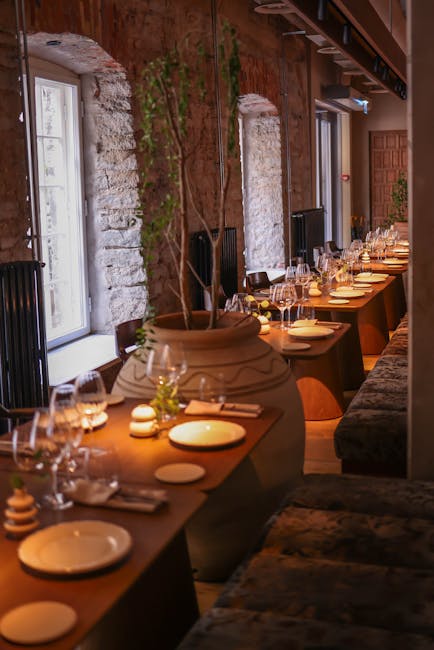
One practical tip before we begin: tripe and cured meats are closely linked to seasonality and aging. Prices, opening hours and availability can vary — especially during the tourist season (June–September) and around holidays. Don’t hesitate to call the places listed to confirm hours or book a table, especially for the more popular restaurants.
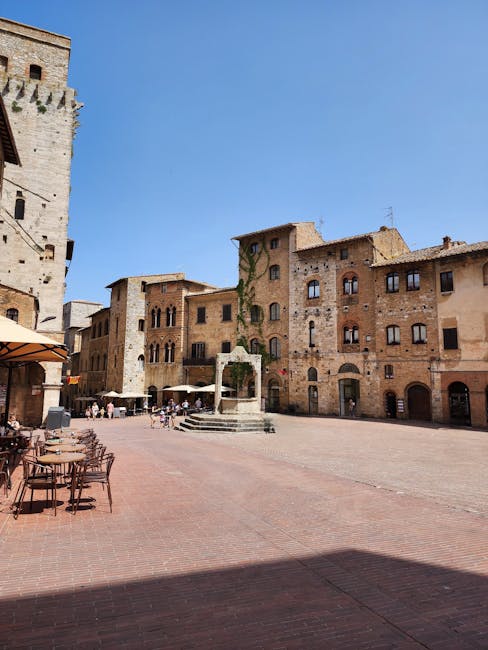
We’ll explore addresses and experiences in San Gimignano and within a reasonable radius, giving practical information (exact addresses, usual hours, indicative prices) and vivid descriptions to help you plan and savor these specialties.
1. Where to Eat Tripe in San Gimignano: Restaurants and Dishes to Favor
San Gimignano has several places where trippa (from different stomachs: rumen, abomasum, etc.) is served in traditional styles. One of the most reliable spots to try well-prepared tripe is Ristorante Cum Quibus, located in the heart of the medieval town. Practical info: Ristorante Cum Quibus, Via San Matteo 3, 53037 San Gimignano SI, Italy. Typical hours: 12:30–14:30 and 19:30–22:00 (closed Wednesdays in low season; check before you go). Price guide: €12–18 for a tripe dish in sauce, tasting menus €45–65 per person depending on number of courses.
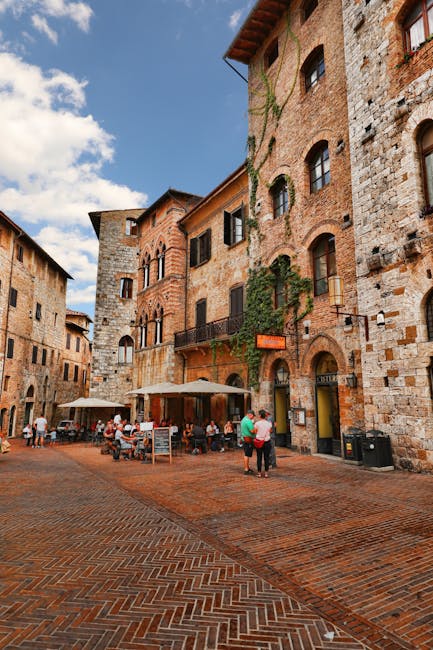
At Cum Quibus, tripe often appears as a long-simmered ragù with tomato, local wine and Tuscan herbs (rosemary, bay). The texture is tender and the sauce concentrated with a hint of acidity — perfect for dipping grilled Tuscan bread. The restaurant’s stone dining rooms and warm lighting emphasize the rustic charm of the dish. Tip: ask for a portion served with crostini drizzled with local extra-virgin olive oil.
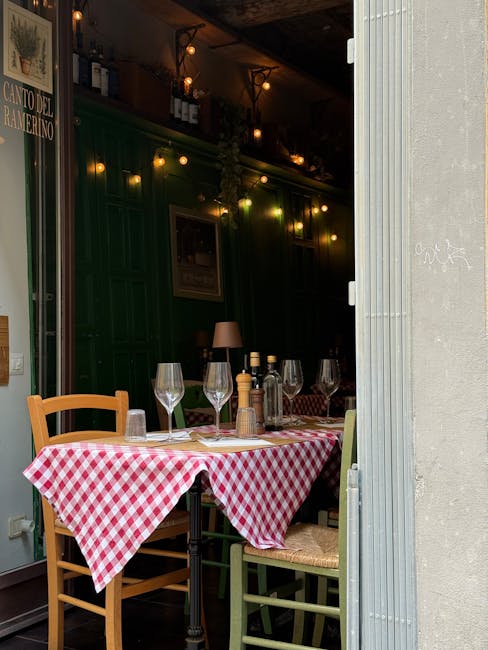
Another option: Trattoria Chiribiri (Via San Giovanni, 73, 53037 San Gimignano SI). Typical hours: 12:00–15:00 and 19:00–22:30 (open daily in high season). Price guide: tripe dishes €10–14; pasta with tripe sauce €12–16. Chiribiri serves very simple, family-style recipes: trippa alla fiorentina (with tomato, onion and parsley), or trippa dressed with a light vinaigrette and a hint of citrus to cut the richness.
Local food tip: tripe pairs nicely with a glass of Vernaccia di San Gimignano (€10–20 a bottle in restaurants) or with a young Chianti. If you’re after something more rustic, look for trippa alla fiorentina served in small portions at markets or as an antipasto.
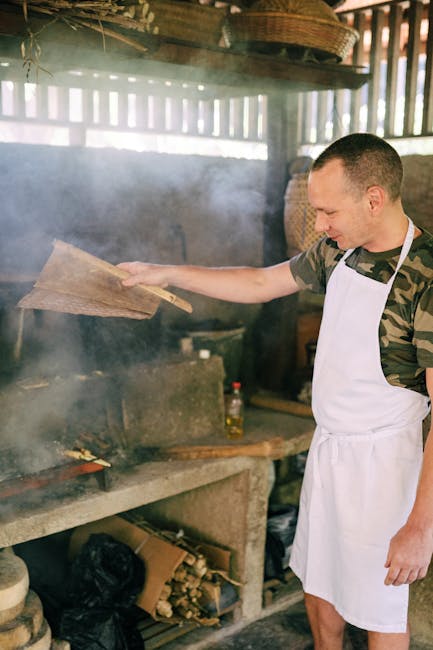
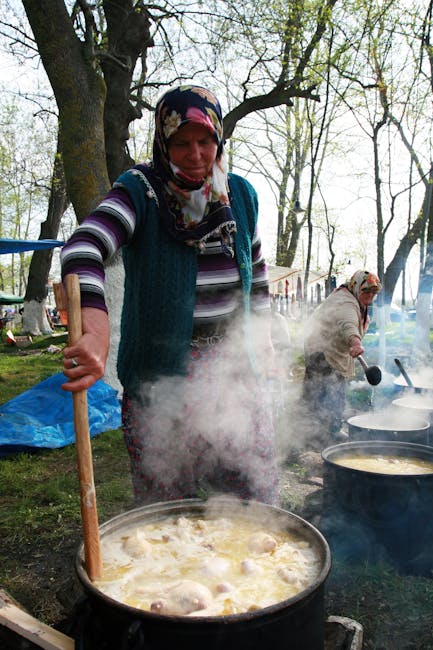
If you prefer a casual approach, watch for small stands and stalls at local festivals (sagre): during these events tripe is sometimes cooked in a large cauldron and served with polenta or bread. Tasting prices at a festa: €5–8 per portion.
2. Cured Meats in and Around San Gimignano: Delis, Tastings and Shopping
Tuscan cured meats deserve a whole chapter. For high-quality purchases and memorable tastings, head outside San Gimignano to renowned names like Antica Macelleria Cecchini in Panzano and Antica Macelleria Falorni in Greve in Chianti. Both are reference points for Tuscan salumi — expect expert advice and demonstrations on cutting.
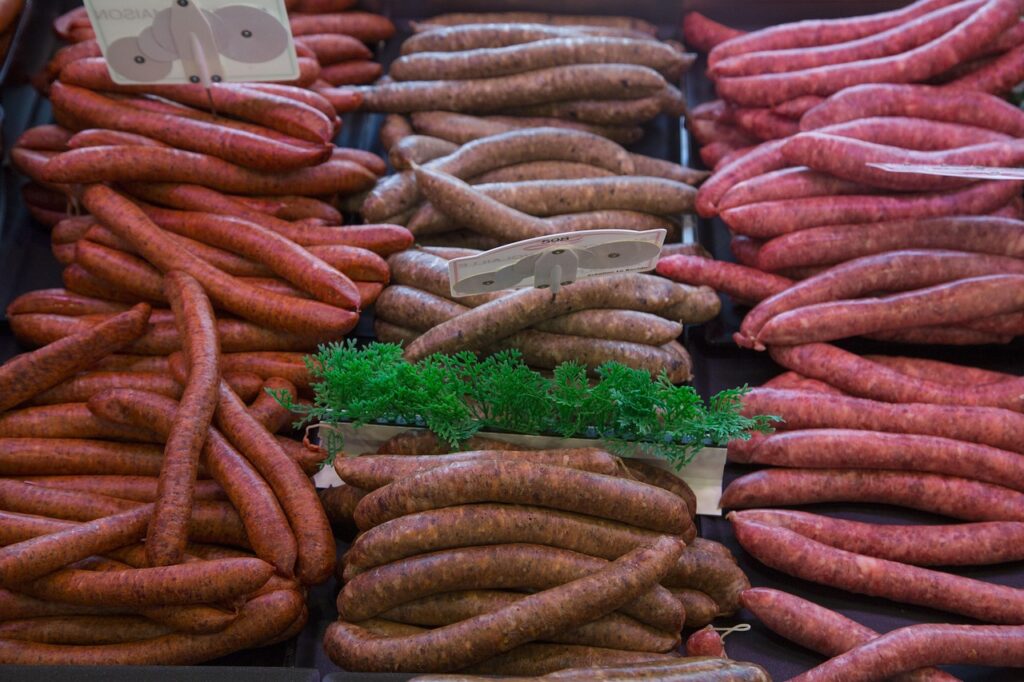
Antica Macelleria Cecchini (Dario Cecchini) — address: Via XX Settembre, 2, 50022 Panzano In Chianti FI, Italy. Typical hours: 09:00–19:00 (closed Sunday morning depending on season). Specialties: bistecca, artisanal salami, finocchiona, coppa, lardo. Price guide: salame per 100 g ≈ €4–6, finocchiona per 100 g ≈ €4–6, tasting plates (on site) €12–25 per person depending on selection. Dario Cecchini is famous for his theatrical approach and deep respect for meat traditions; his butcher shop also includes a small restaurant highlighting cured meats on its menus.
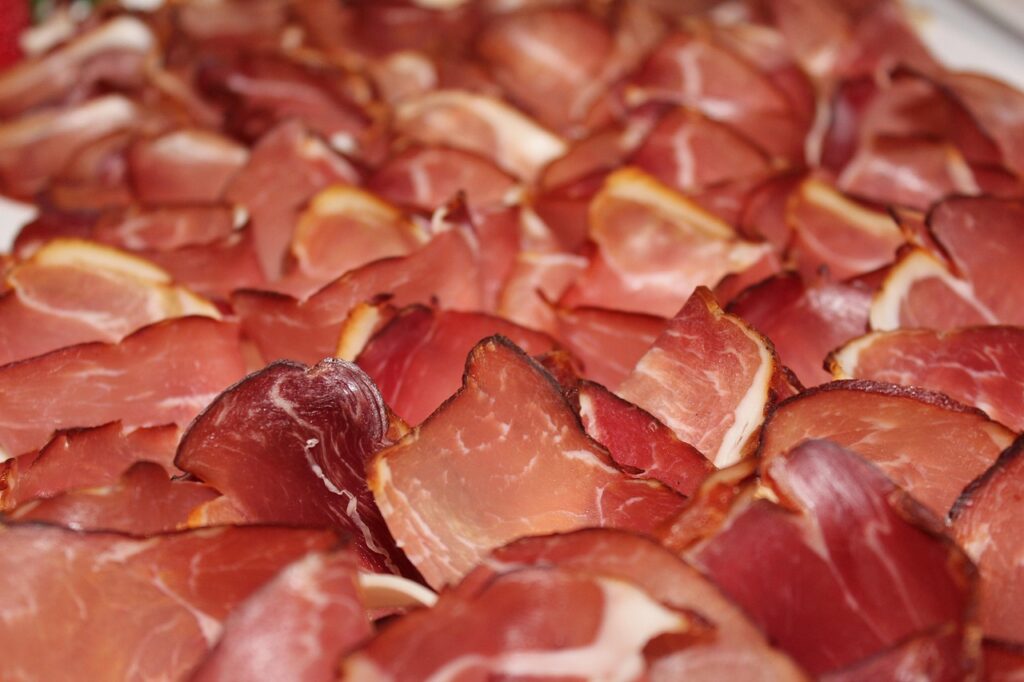
Antica Macelleria Falorni — address: Via Roma, 18, 50022 Greve in Chianti FI, Italy. Typical hours: 09:00–13:00 and 15:30–19:00 (closed Sundays in low season; longer hours in summer). Specialties: Tuscan prosciutto, finocchiona, capocollo, aged salumi. Price guide: prosciutto slices per 100 g €5–8, salumi plate €12–20. Falorni is an institution since the 18th century and the Greve shop is perfect for assembling a take-away basket — ideal for a picnic on the hills around San Gimignano.
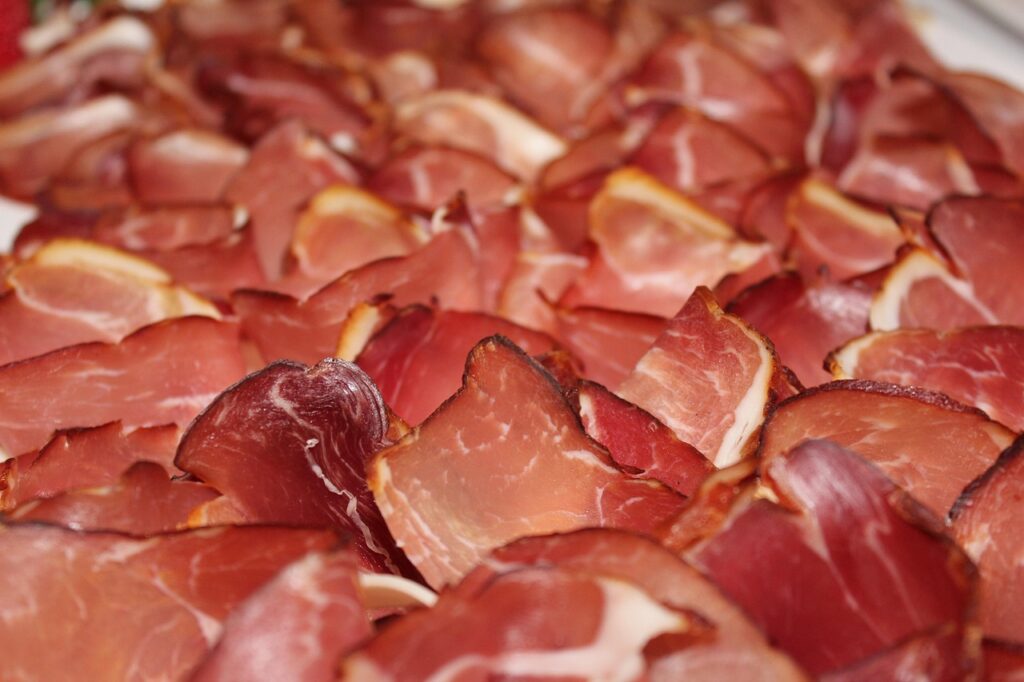
In San Gimignano itself, look for small fine-food shops and enotecas offering salumi boards: for example, Enoteca delle Erbe (Via San Giovanni 60, 53037 San Gimignano SI) — Hours: 10:00–22:00 (variable). Prices: salumi platter to share €12–22. These places often add local pecorino and regional honey to accompany the meats.
Buying tips: always ask about the aging time for salumi (longer aging = more concentrated flavor), sample the finocchiona for its signature fennel aroma, and request thin slices to better appreciate the texture. For transport, ask for vacuum packing or airtight boxes; if you’re flying home, check airline rules. Note: for travel within the EU personal quantities of meat are generally allowed, but bringing large amounts outside the EU may require health certificates.
3. Tastings and Wine Pairings: Matching Tripe and Cured Meats with Local Wines
The San Gimignano area is rich in wines that pair beautifully with salumi and tripe. The signature white is Vernaccia di San Gimignano (DOCG) — crisp, mineral and often floral. For cured meats and some tripe preparations, a young Vernaccia (€10–18 in shops, €15–30 in restaurants) can cut through the fattiness with bright freshness.
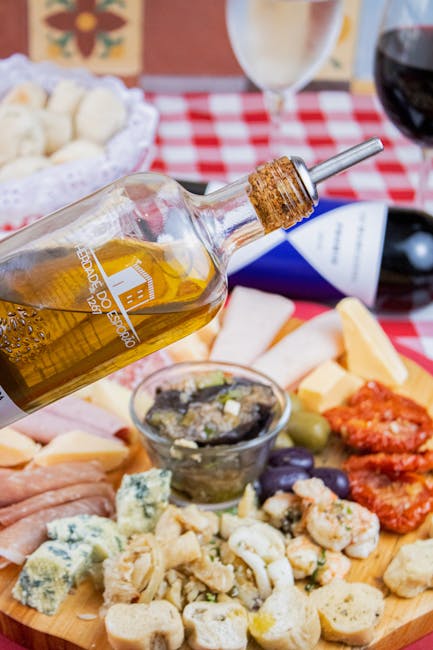
For fattier salumi (lardo, prosciutto), a Chianti Classico (bottles €12–40 depending on producer) or a young, fruity red often works wonders. Chianti brings good acidity and moderate tannins that refresh the palate between bites. In a restaurant, ask for a glass of Chianti Classico Riserva (€5–12 per glass depending on the place) to accompany a rich platter.
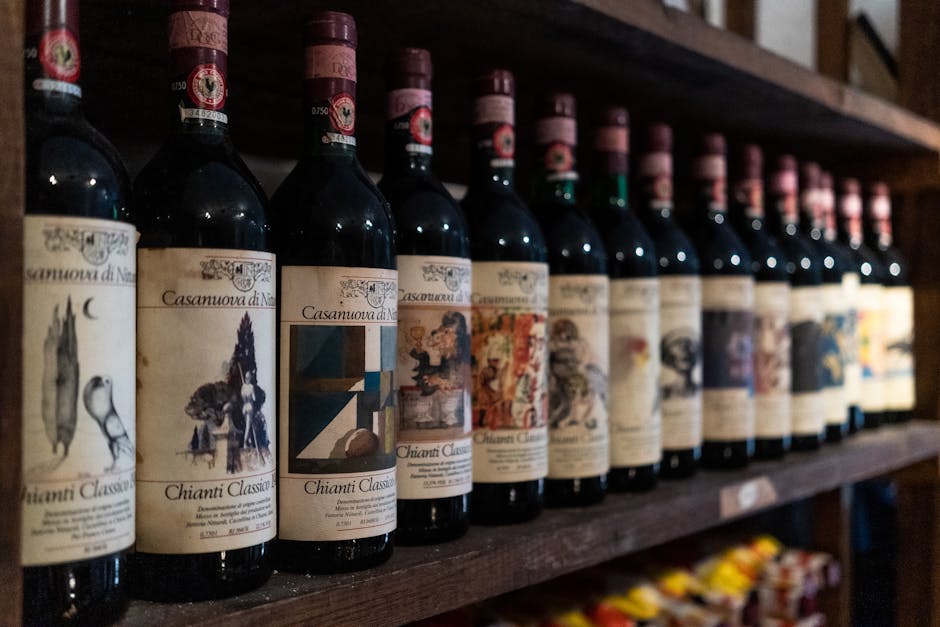
For tripe, the best match depends on preparation: trippa in tomato sauce pairs well with a structured but not overly oaky red — think wines from Valdelsa or a young Chianti (glass €4–8). A more delicate tripe, prepared in the Florentine style, can balance nicely with a Vernaccia or a dry local white.
Local sommelier tips: 1) If the tripe is rich with tomato and chili, choose a red with red-fruit and spice notes; 2) if you have a varied salumi board (finocchiona, salami, prosciutto), go for an aromatic white or a light red to explore the flavors without overwhelming the palate; 3) don’t hesitate to ask for half bottles or glasses so you can try several pairings (typical prices: €3–8 per glass in most enotecas).
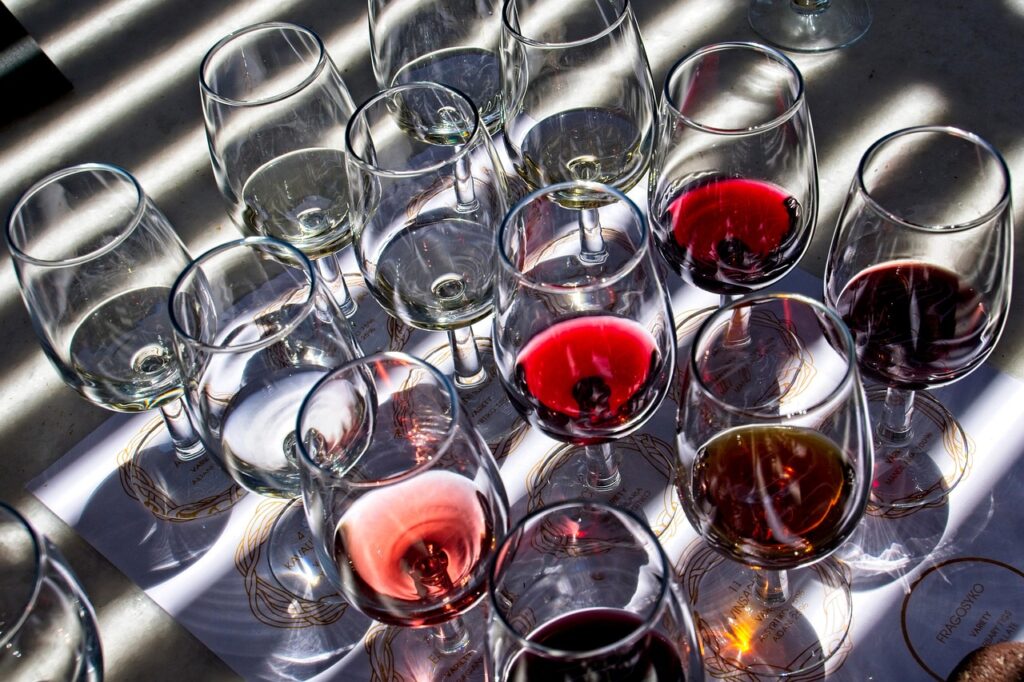
For a full experience, book a tasting at a cellar near San Gimignano: many small cantine offer packages combining wine tastings with a charcuterie plate (typically €20–40 per person for a guided tasting and board).
4. Markets, Festivals and Local Experiences Around Tripe and Cured Meats
San Gimignano’s food scene plays out both in its restaurants and at seasonal events. Local markets and sagre (village festivals) are perfect places to taste tripe in a lively, popular setting. For example, the Festa della Vernaccia (April/May depending on the year) and some summer fairs feature stands with local products where trippa is sometimes highlighted.
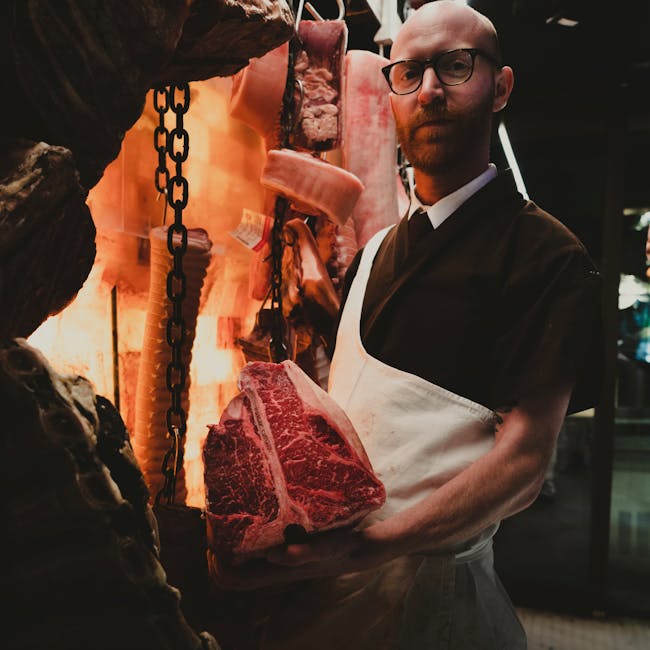
A must for meat lovers is visiting the butcher-shops-with-restaurants around here: Dario Cecchini sometimes hosts events in Panzano (Via XX Settembre, 2, Panzano) with menus centered on cutting, cooking and tasting every cut — it’s not just about cured meats, but the events explain aging methods and butchery techniques.
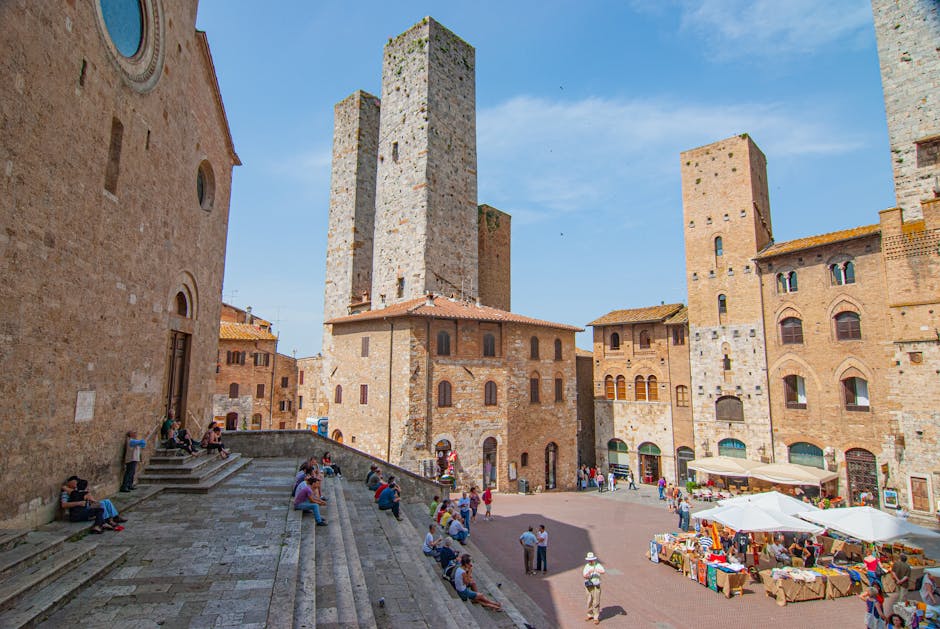
Weekly markets: San Gimignano’s weekly market is sometimes held on Piazza del Duomo or Piazza delle Erbe (days vary by season) and features stalls with local pantry items, cheeses and packaged cured meats. Market prices are often better value: 100 g of salami €3–5, small jars of tripe pâté €4–7.
Regional festivals and sagre: check the municipal calendar (Comune di San Gimignano) for local event dates. At these gatherings you’ll find more ‘‘popular’’ versions of trippa: generous portions served with polenta, potatoes or rustic bread. Typical prices: €5–10 per portion depending on the event.
Practical tips for events: arrive early to avoid queues, bring cash (some stalls don’t take cards), and pack wipes — trippa and charcuterie tastings can get messy but are wonderfully authentic. If you want to bring products home, buy vacuum-packed items on site; many sagre and producers offer packing services for travel.
5. Where to Buy and Bring Home Cured Meats: Packing, Storage and Regulations
If you plan to bring cured meats home (to France or elsewhere), it’s essential to know best practices for packing, storage and customs rules. You’ll find local cured meats easily in shops: Antica Macelleria Falorni (Via Roma, 18, Greve in Chianti), Antica Macelleria Cecchini (Via XX Settembre, 2, Panzano), plus several salumerie in San Gimignano itself, such as Salumeria del Centro (Via San Giovanni 45, 53037 San Gimignano SI — hours 09:00–13:00 and 16:00–19:00).
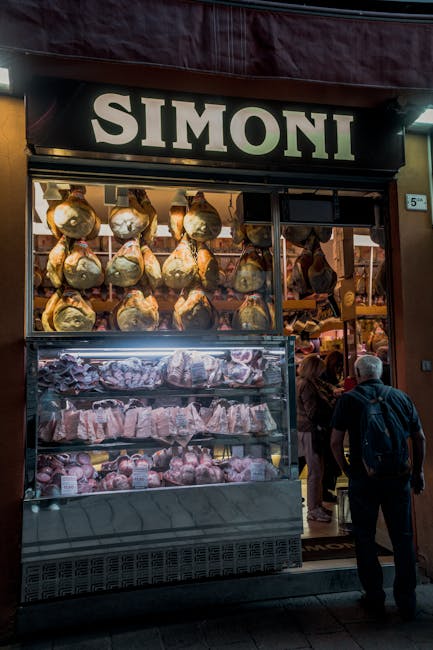
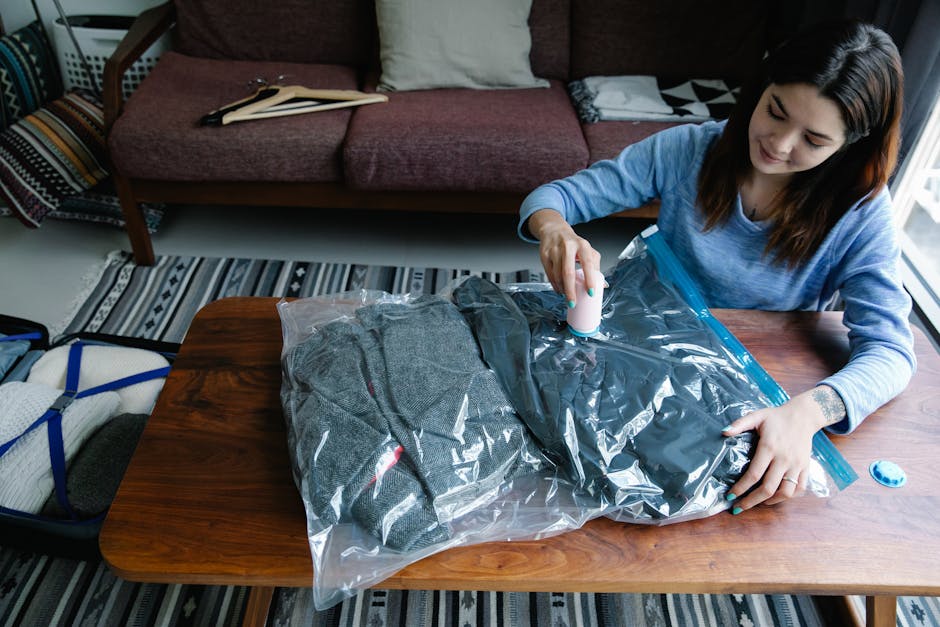
Packing and transport: always ask for vacuum packing (approximate cost €1–5 depending on size); it extends shelf life and makes transport easier. In summer, use an insulated bag and cool packs to avoid spoilage. If flying, put these products in checked baggage rather than carry-on (check your airline’s policy). Note import restrictions: within the European Union personal transport of meat and cured meats is generally allowed between member states, but large amounts to destinations outside the EU may require health certificates.
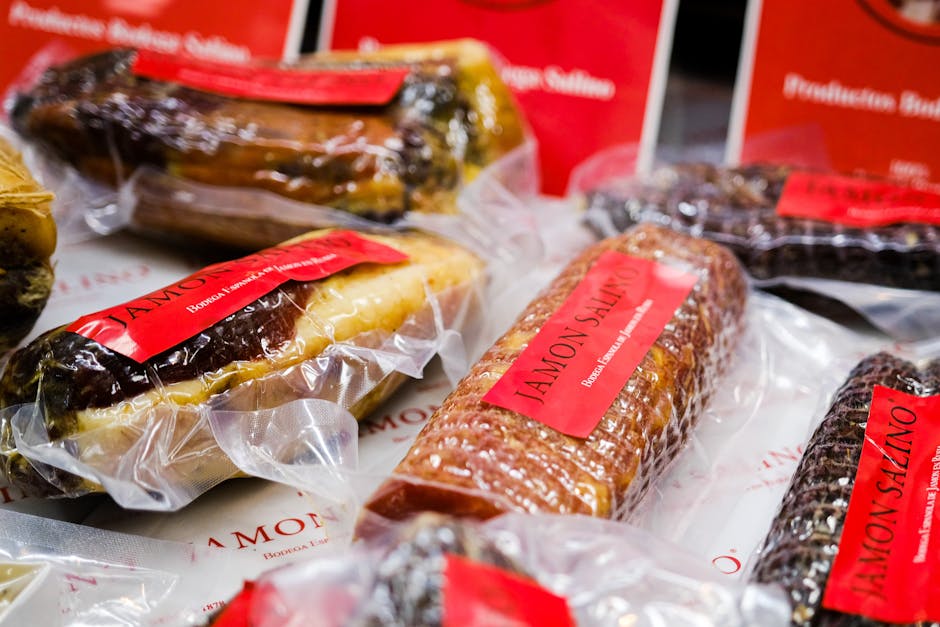
Storage: once purchased, keep salumi refrigerated (0–4°C); thinly sliced prosciutto keeps for a few days, while whole vacuum-packed salamis can last several weeks depending on how long they were aged. For cooked tripe bought in jars or cans, respect the expiration date; fresh tripe should be eaten within 48 hours or frozen.
Customs tips: if you’re traveling outside the EU, check the destination country’s rules on importing meat products. When in doubt, ask the seller for a certificate or an invoice that states what the product is — this can help at customs. Finally, favor purchases from recognized artisans: besides quality, they’ll give the best advice on packing and transport.
Local tip: for a lighter, safer edible souvenir, choose derivatives like tapenades, artisanal mustards, honey, or aged pecorino — these travel well and pair perfectly with the cured meats you buy locally.
Conclusion — How to Taste and Appreciate Tripe and Cured Meats in San Gimignano
San Gimignano and its surroundings are an exceptional playground for anyone keen to explore Tuscany’s rustic flavors: from tripe slow-cooked in family pans to historic salumerie where cured meats are sliced to order, every experience teaches you about history, terroir and craftsmanship. Visiting places like Ristorante Cum Quibus in San Gimignano for delicate tripe, or making the trip to Panzano to see Antica Macelleria Cecchini, combines architectural discovery, vineyard walks and culinary pleasure.
Take your time: tripe often needs a long simmer to reveal its tenderness; cured meats require patient aging. To get the most from your stay, plan meals, call ahead to reserve, and listen to the shopkeepers — they know the best pairings and packing tips for travel. Remember that tasting these products is also about embracing a cuisine that hasn’t forgotten its peasant roots.
Practically speaking, note the key addresses: Ristorante Cum Quibus (Via San Matteo 3, 53037 San Gimignano SI — tripe dishes €12–18, hours 12:30–14:30 & 19:30–22:00, reservations recommended), Antica Macelleria Cecchini (Via XX Settembre, 2, 50022 Panzano In Chianti FI — plates and tastings €12–25, hours 09:00–19:00), Antica Macelleria Falorni (Via Roma, 18, 50022 Greve in Chianti FI — salumi to take away €5–8/100 g, hours 09:00–19:00). In town, look out for small salumerie and enotecas offering boards to share (€12–22).
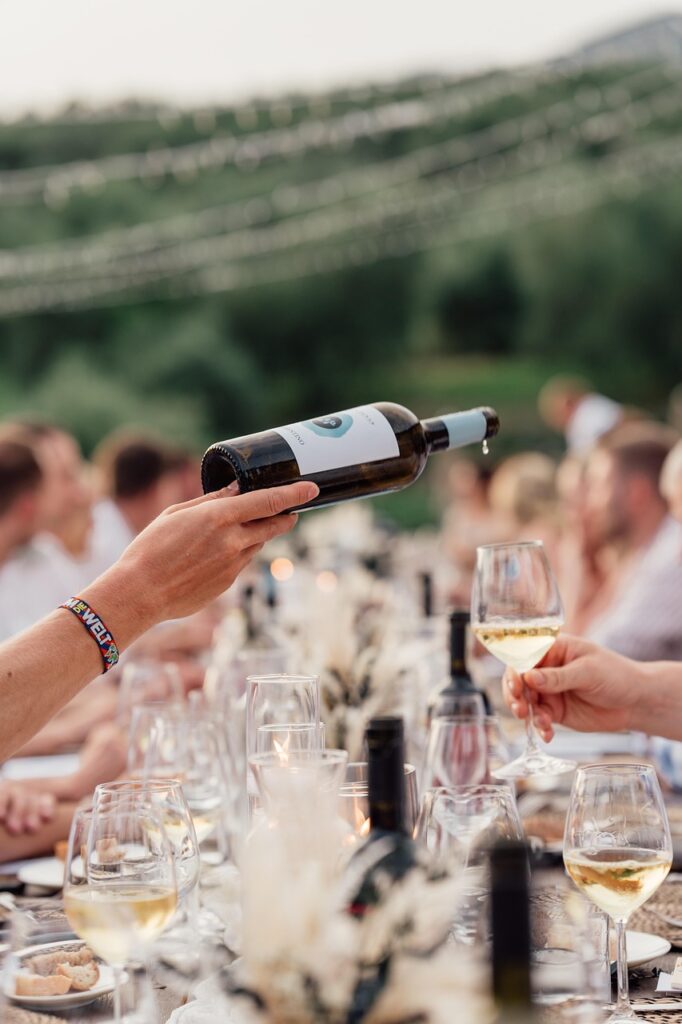
Finally, enjoy the conviviality: tripe and cured meats are best shared with a good bottle of wine, a crusty Tuscan bread and friends. Take time to talk to the artisans, ask about aging and provenance, and above all, taste without prejudice. You’ll leave not only with flavors, but with stories and addresses to keep for your next gastronomic discoveries in Tuscany.