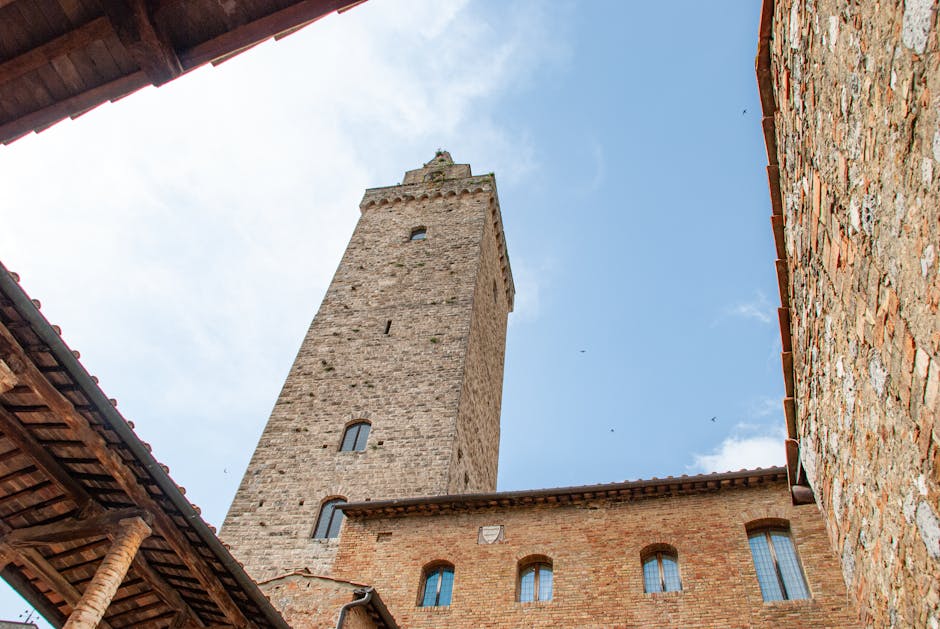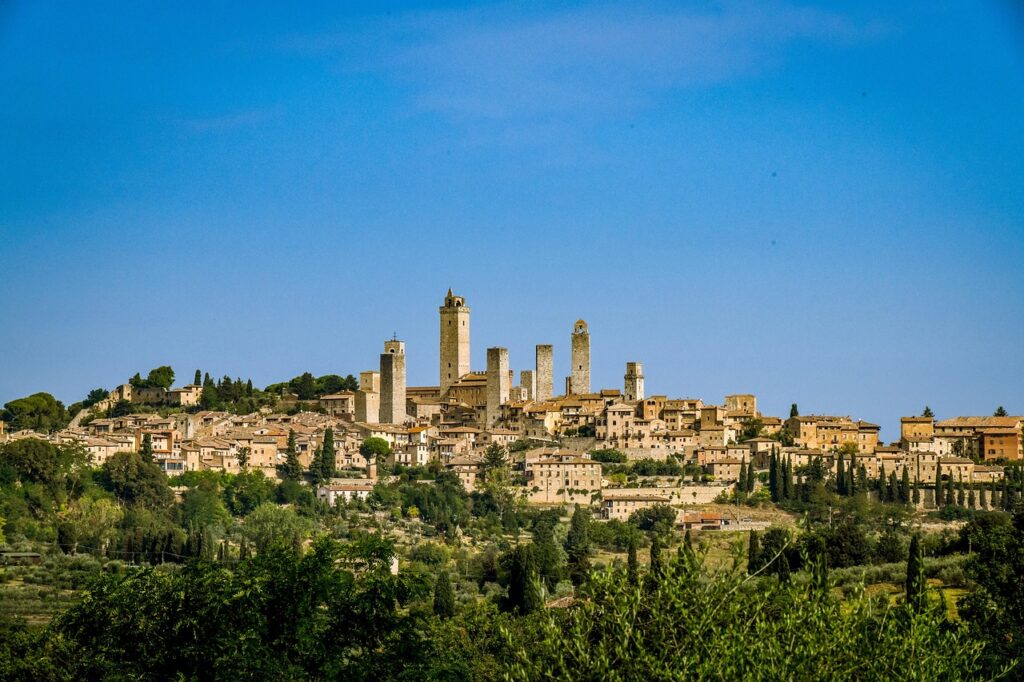




Introduction — Deliberately getting lost among San Gimignano’s towers and alleys
San Gimignano, a medieval jewel perched on a hill in Tuscany, is famous for its skyline of towers that slice the horizon like a living painting of medieval Italy. Located roughly 50 km southwest of Florence, this small walled town has preserved a remarkably intact historic core: cobbled squares, stone houses, churches adorned with frescoes, and sweeping views across the Val d’Elsa and Chianti hills. This walking route is designed for travelers who want to thoroughly explore San Gimignano’s medieval monuments, pairing must-see cultural sites with sensory stops (Vernaccia tastings, artisanal gelato, and picture-perfect viewpoints).
Think of this guide as a structured stroll you can do in a well-paced half-day or stretch into a full day if you want to linger over frescoes, climb a tower, visit a small museum and enjoy a leisurely Tuscan lunch. It includes exact addresses, typical opening hours, indicative prices in euros and practical tips to optimize your visit by season. You’ll find immersive descriptions that place each monument in its historical and architectural context, along with local tips (best times to avoid crowds, which side of the square gets the morning light, where to stop for a glass of Vernaccia).
The route favors walking: San Gimignano is compact, with steep streets and many stairways, and it’s precisely by wandering those paths that you catch the town’s medieval magic. The selected sites — the Collegiata di Santa Maria Assunta (the town’s cathedral), the Palazzo Comunale and Torre Grossa, Piazza della Cisterna, the Rocca di Montestaffoli and a few museums and tasty stops — build a historical, architectural and sensory narrative. You’ll also find practical advice for combo tickets, options for climbing the Torre Grossa (panoramic views), and rain-day alternatives.
Before you go: wear comfortable shoes, carry a refillable water bottle (fountains are plentiful but sometimes seasonal), keep a camera handy and bring a small umbrella or hat in summer — the squares can be very sunny. If you’re into art history, reserve at least two hours for the Collegiata and the Palazzo Comunale; if you prefer viewpoints and relaxation, add the Rocca and a Vernaccia tasting. Now — let’s go: follow this step-by-step route to discover the best medieval monuments of San Gimignano.
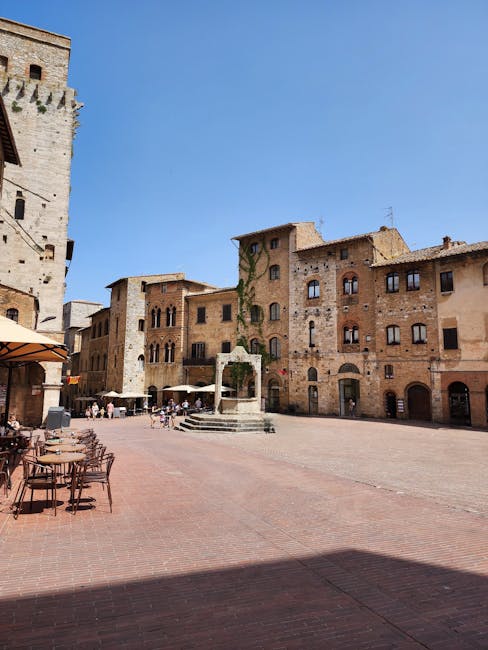
1) Start: Piazza della Cisterna and its towers — the town’s social and commercial heart
Begin your circuit at Piazza della Cisterna, the triangular medieval square lined with tower-houses. Address: Piazza della Cisterna, 53037 San Gimignano SI, Italy. This charming paved square was once the commercial and social hub: the central cistern supplied residents and market stalls ringed the space. Today it’s an excellent starting point to spot the different towers and orient yourself before climbing toward Piazza del Duomo.
Immersive description: picture carts and merchants, the towers casting bands of light across the stones; many façades still show traces of medieval paints and waxed decorations. The square’s vertical perspective and the sequence of towers create exceptional photo opportunities at sunrise and sunset. Take your time and turn right onto Via San Giovanni for a gentle first rise toward Piazza del Duomo.
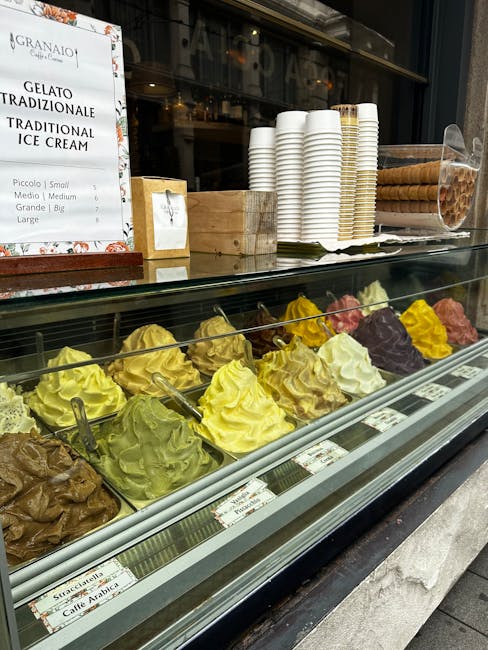
Practical tips: the square is free and open 24/7. The popular Gelateria Dondoli is located here: Piazza della Cisterna, 4, 53037 San Gimignano SI, Italy. Indicative price: single gelato €3–€5. Opening hours: typically 10:00–22:00 in high season (may vary off-season). Local tip: grab a gelato late in the afternoon and then climb to Torre Grossa for a sweet-and-scenic contrast.
2) Piazza del Duomo, Collegiata di Santa Maria Assunta and Palazzo Comunale
Your climb brings you to Piazza del Duomo, the symbolic heart of San Gimignano. Shared address for the buildings: Piazza del Duomo, 1, 53037 San Gimignano SI, Italy. Three landmark buildings dominate this square: the Collegiata di Santa Maria Assunta (the collegiate church), the Palazzo Comunale (the medieval town hall) and the Torre Grossa (the tallest tower open to the public in the historic center).
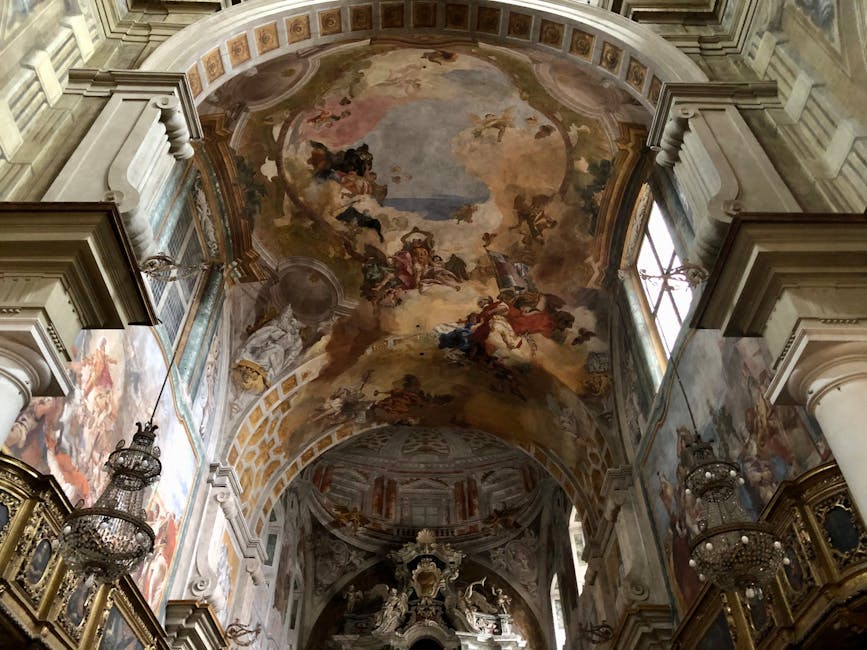
Collegiata di Santa Maria Assunta — description and hours: the church is renowned for its cycles of 13th and 14th century frescoes. Typical hours: 10:00–17:30 (varying with season and services). Admission: entrance to the church is free, but access to the frescoes and exhibitions may require a combined ticket (see Palazzo Comunale). Address: Piazza del Duomo, 1, 53037 San Gimignano SI, Italy.
Palazzo Comunale and Torre Grossa — practical info: the Palazzo Comunale (Museo Civico) houses a collection of medieval works and the council hall with frescoes. Opening hours: 10:00–19:00 in high season, 10:00–17:00 off-season. Combined ticket for Palazzo Comunale + Torre Grossa + Collegiata: around €9.50–€12.00 for an adult (prices may change; concessions for students/youths). The Torre Grossa (accessed via Palazzo Comunale) offers 360° views over Tuscany: it’s a must for photographers and panorama-lovers. Height: 54 m; the stairway is narrow — allow 15–20 minutes to go up and down depending on crowding.
Local tips: visit the Collegiata early in the morning to enjoy the frescoes in soft light; then climb the Torre Grossa at midday or late afternoon for the best lighting. Buy the combined ticket at the Palazzo Comunale ticket office to save time. Audio guides are available in several languages.
3) Rocca di Montestaffoli, panoramic walks and strategic viewpoints
After exploring Piazza del Duomo, continue to the Rocca di Montestaffoli, a medieval fortress now turned viewpoint and park. Approximate access address: Rocca di Montestaffoli, Piazza del Duomo, 53037 San Gimignano SI, Italy (paths start from the surrounding streets). The walk up to the Rocca winds through steep lanes and stone steps that reflect the town’s original medieval layout.
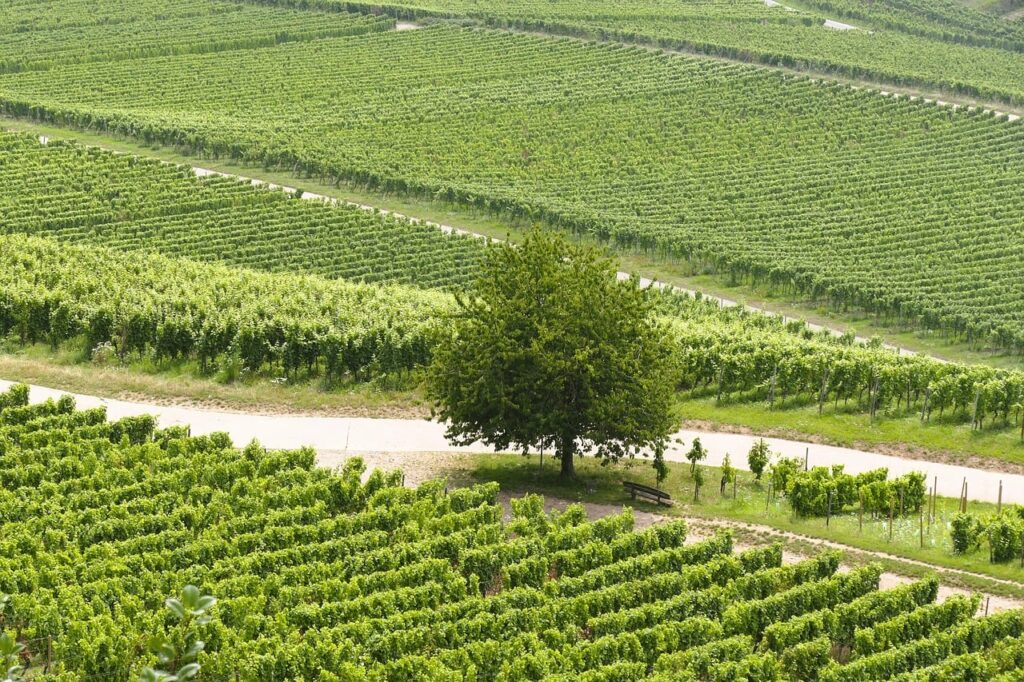
Immersive description: from the Rocca you once commanded the valley — today the site offers open views over vineyards and Tuscan hills. Although largely in ruins, the fortress still preserves walls and watchtower remains; the effect is dramatic at dusk when golden light bathes sunflower fields and neat rows of vines. The ascent is on foot; the outdoor park is generally free, making it a great no-cost complement to your cultural tour.
Hours and cost: the outdoor area is usually open year-round (free), though access to some sections or temporary exhibits may be limited by season. Allow 30–60 minutes for the climb, photo breaks and descent. Photography tip: best light is early morning or late afternoon; for wide vineyard views face southeast, and for San Gimignano’s towers frame your shots looking west.
Local tips: bring a small blanket if you want a picnic with a view; in summer the breeze helps but the sun can be strong — hat and water are essential. For a tasting experience, pair the Rocca visit with a stop at a nearby farm or winery offering Vernaccia.
4) Museums and local experiences: Museo della Tortura, vineyards and Tuscan flavors
To round off the cultural route, visit one or two themed museums and finish with a tasting. The Museo della Tortura offers a dark but informative take on medieval practices: address Via Costarella, 48, 53037 San Gimignano SI, Italy. Hours: typically 10:00–18:00; price: around €4.00–€6.00. The exhibit shows replicas of instruments and explanatory panels. This kind of museum isn’t suitable for young children or sensitive visitors, but it does illustrate an aspect of medieval judicial power.
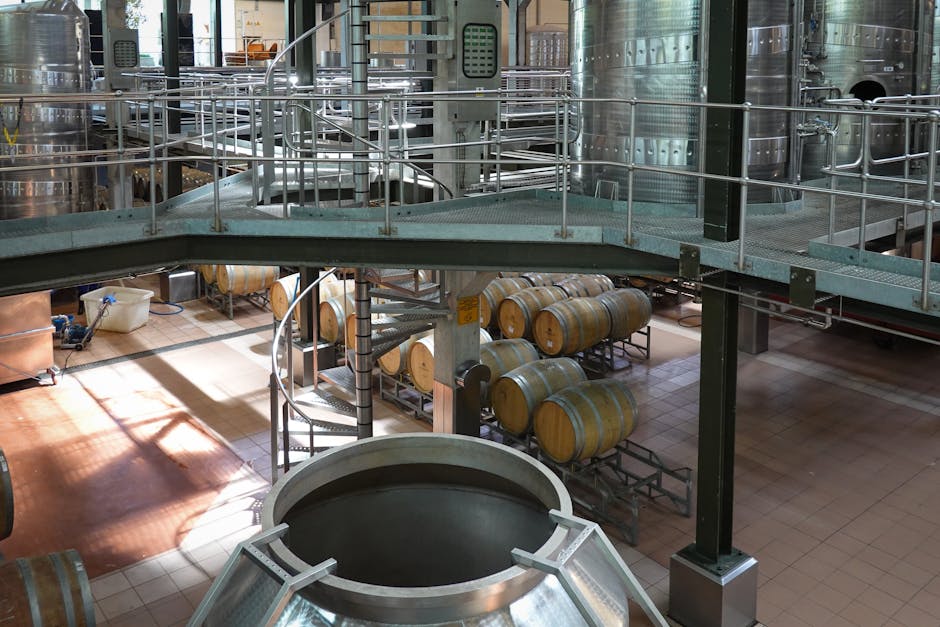
Vernaccia tasting — Tenuta Torciano: to taste the local terroir head to the winery Tenuta Torciano for a guided tasting. Address: Tenuta Torciano, Via di Tarlaie, 2, 53037 San Gimignano SI, Italy. Tastings by reservation, typically 10:00–18:00. Indicative prices: 3-wine tasting €15–€25 per person; cellar tours with food pairings €30–€45. Booking is highly recommended, especially in high season.
Culinary experience: finish with lunch or an aperitif at a traditional trattoria to try local dishes — pici al ragù, crostini Toscani and a glass of Vernaccia di San Gimignano. If you prefer a quick break, return to Piazza della Cisterna for gelato at Gelateria Dondoli.
Practical tips: pair the Museo della Tortura with a stroll through the nearby artisan shops: leather jewelry, local pottery and reproductions of medieval manuscripts are sold in the surrounding streets. If you’re into gourmet shopping, look for small-producer olive oil. Souvenir advice: avoid overly fragile items when traveling light; choose wines, which local shops will pack carefully.
Conclusion — Final tips and an alternative itinerary
San Gimignano is best explored on foot, alternating major monuments with sensory pauses. This route leads you from the central squares (Piazza della Cisterna, Piazza del Duomo) to high viewpoints (Torre Grossa, Rocca di Montestaffoli), integrating themed museums and tasting experiences (Gelateria Dondoli, Tenuta Torciano). Key practical points: buy the combined ticket for Palazzo Comunale/Torre Grossa/Collegiata if you plan to visit all three (indicative price €9.50–€12.00), allow 3–6 hours for the whole walk depending on your pace, and book tastings or guided tours in advance during high season.
If you have an extra half-day, consider a walk into the surrounding hills to visit other small Tuscan villages and wineries. Family-friendly alternative: swap the Museo della Tortura for the lighter Museo San Gimignano 1300 (miniature reproductions of the medieval town) or a local cooking workshop. For photographers, morning light and twilight are the best moments; for history lovers, prioritize an early visit to the Collegiata to avoid crowds around the frescoes.
In short: follow this walking route to understand San Gimignano’s urban and defensive logic, enjoy the views from Torre Grossa and the Rocca, taste Vernaccia and local gelato, and let the medieval lanes carry you along. Check monument opening hours (consult official notices or the local tourist office), wear suitable shoes and stay hydrated — and above all, take your time: San Gimignano should be savored slowly, like a fine wine.