





Introduction
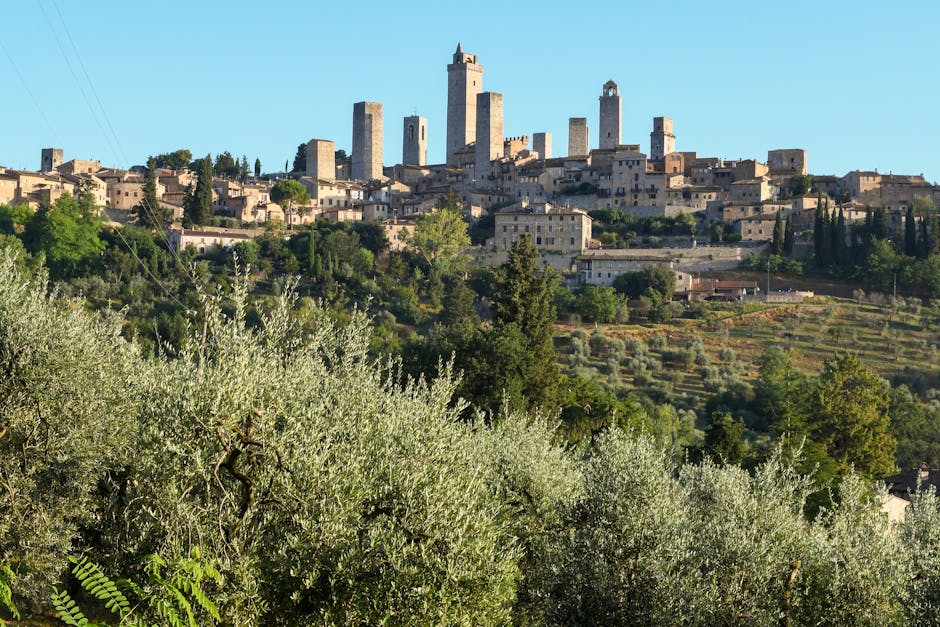
San Gimignano, perched on a Tuscan hill, is a medieval gem where its towers stand like stone witnesses to a bustling commercial and aristocratic past. Between cobbled alleys, sunlit squares and sweeping views of the Tuscan countryside, the town’s museums provide essential context: they explain how and why these towers were built, inhabited, defended and celebrated. This guide focuses on museums directly connected to the history of San Gimignano’s towers — institutions housed in civic palaces beside the towers, small archaeological collections revealing medieval daily life, displays of sacred art tucked in the towers’ shadows, and venues devoted to local traditions like Vernaccia wine production, which accompanied the families who owned these towers.
Visiting the museums linked to the towers means stepping into the social and political machinery that shaped San Gimignano: family rivalries, defensive strategies, status shown through building height, and the appropriation of urban space. Collections — paintings, frescoes, domestic objects, archival documents and architectural fragments — reconstruct daily scenes, civic and religious rituals, and the material reality of living levels inside tower-houses. Often installed in former palaces or right next to the towers, these museums also offer unique vantage points: balconies, windows pierced in stone, and public tower platforms allow visitors to read the town from bird’s-eye perspectives.
Beyond history, this museum trail is a sensory experience: sun-warmed stone, shadow plays cast by battlements, the scent of old wood, and panoramas of vineyards and cypresses that deepen your sense of the landscape. Alternating between indoor museum visits and climbing towers moves you from analysing objects to feeling the city’s verticality firsthand. This guide not only lists the main museums in San Gimignano tied to its towers, but gives exact addresses, opening hours, prices and practical local tips — where to get the best photo, the best times to avoid crowds, and how to pair a museum visit with a Vernaccia tasting.
Finally, visiting San Gimignano today also means being mindful of heritage conservation. Museums play a key role: they preserve fragile testimonies, explain restoration techniques, and sometimes run educational workshops for children. Whether you’re passionate about medieval architecture, a photographer chasing Tuscan silhouettes, a wine lover curious about Vernaccia’s history, or a traveller who likes to take things slow, this guide offers a complete, immersive itinerary to understand San Gimignano’s towers through its museums.
 Click here to book a day trip to Siena, San Gimignano and Pisa

Museo Civico e Torre Grossa (Palazzo Comunale) — The political heart and the tower you can climb
Full name: Museo Civico e Torre Grossa (Palazzo Comunale)
Address: Piazza del Duomo, 1, 53037 San Gimignano SI, Italy
Opening hours: Daily 10:00–18:00 (high season, April–October). Shorter hours in low season: 10:00–16:00 (November–March). Closed December 25 and January 1.
Price: Combined ticket Museo Civico + Torre Grossa: €10.00 (adult); €7.00 (youth 6–17); free for under 6. Audio guide available +€3.00.
Housed in the Palazzo Comunale, the Museo Civico is the gateway to understanding the civic organization that allowed the towers to be built. The palace, once the seat of medieval municipal government, preserves mural frescoes, official documents and paintings that recount public ceremonies, power struggles and how families used towers as prestige symbols. One highlight is access to the Torre Grossa, the tallest tower open to the public (about 54 meters), offering a 360° panorama over the town and the Tuscan countryside — the best way to read the grid of towers and spot links between residences and land plots.
The museum tour alternates historic rooms with a gradual climb up the tower: you’ll pass reception halls, private chapels and the Sala del Podestà. Labels in Italian and English detail defence systems, toll and market economies, and marriage strategies that influenced building heights. Climbing Torre Grossa is a prime moment to photograph the tight cluster of other towers, terracotta roofs and the rows of distant cypresses.
Practical tips: arrive early in the morning (or late afternoon outside high season) to avoid lines and enjoy soft light on the façades. The steps are stone and often uneven: wear sturdy shoes. In summer bring water — the climb can be strenuous. Visitors with reduced mobility should note the tower is inaccessible, though the lower museum rooms include visual information and reproductions. Ask for the town map at the desk — it helps identify towers from the top.
Click here to book a private guided tour of San Gimignano

Collegiata di Santa Maria Assunta and Museo dell’Opera — Sacred art in conversation with the towers
Full name: Collegiata di Santa Maria Assunta and Museo dell’Opera del Duomo
Address: Piazza del Duomo, 8, 53037 San Gimignano SI, Italy
Opening hours: Collegiata: 10:00–17:30 (high season), closed mornings on feast days. Museo dell’Opera: 10:00–17:00 (seasonal variations).
Price: Collegiata + Museo dell’Opera: €6.50 (adult); reduced €4.00 (students and seniors); free under 6.
The Collegiata, often called San Gimignano’s Duomo, contains an exceptional ensemble of medieval frescoes that document the relationship between sacred institutions and urban power. The Museo dell’Opera extends that story by displaying liturgical objects, architectural fragments and records from the church workshop — clues to the role confraternities and leading families played in civic life, and by extension the family structures that raised the towers.
The museum shows how private chapels, often decorated by influential families, dialogued with the city façade: donations, tombs and coats of arms are visible marks of status. The Duomo’s interior frescoes — biblical scenes, saints’ lives and hagiographic cycles — are remarkably preserved and offer an almost cinematic view of medieval devotion. A recurring theme is the contrast between the towers’ worldly verticality and the Duomo’s spiritual height: towers assert temporal presence, the church expresses spiritual permanence.
Practical tips: photography inside the Collegiata is sometimes restricted — watch for signage and respect off-limits areas. For a richer visit, take the audio guide or an English-language guided tour; iconographic details (for example the symbolism of clothing or objects held by holy figures) make the frescoes much more accessible. Combine this visit with a stroll around Piazza del Duomo at sunset to capture the towers’ shadows stretching across the church façade.
Click here to book a private walking tour of San Gimignano
Museo Archeologico and Museo delle Torture (small private collections) — Everyday objects and medieval justice
Full name: Museo Archeologico and Museo delle Torture (local collections / small private institutions)
Approximate address: Several sites in the historic centre, Via San Matteo and Via del Castello (check the tourist office for exact route)
Opening hours: Generally 10:00–18:00 (hours vary, check locally). Closed some Sundays and religious holidays.
Price: €4.00–€6.00 depending on the collection; often combinable with other small museums for €8.00–€10.00.
The term “Museum of Tortures” refers to private displays that present medieval judicial instruments, court records and explanations of penal practices. In San Gimignano these are usually small private setups combining archaeological finds, ceramics, household tools and judicial implements discovered during digs or collected by locals. These museums help explain the internal social order: how domestic space in towers was regulated, what objects accompanied daily life, and how justice — sometimes theatrical — reinforced local authority.
These small collections are invaluable because they show fragments rarely displayed in larger institutions: nails, glass shards, pottery sherds, coins, seals, and sometimes reconstructions of tower apartments. They give material substance to imagining life inside towers — floor upon floor, tiny hearths, spiral staircases and attic spaces. Linking objects to architectural context produces a genuinely immersive experience.
Practical tips: these museums are often run by local organisations and may be closed for restoration or open by appointment. Stop by the tourist office (Piazza della Cisterna) for an up-to-date list and map. Spaces are small: if you have bulky luggage or a stroller, better to leave them at your hotel or in luggage storage. For photography, ask permission — some fragile items are strictly off-limits to cameras.
Click here to book a private guide to discover San Gimignano
Museo della Vernaccia and Wine Education — Wine as identity and prestige
Full name: Museo della Vernaccia / Educational Centre for Vine and Wine
Address: Via Cappuccini 5 / Piazza della Cisterna (varies by operator), 53037 San Gimignano SI, Italy
Opening hours: Tastings and guided visits: 10:30–19:00 (high season). Reservation recommended for wine workshops.
Price: Tour + tasting €12.00–€20.00 depending on the formula; wine workshop €30.00–€50.00.
Vernaccia di San Gimignano is a historic white wine that accompanied the prosperity of noble families and merchants. The Museo della Vernaccia or local educational centres explain how the local vineyards were cultivated, what techniques were used in the Middle Ages, and how wine economics supported tower construction. The roofs of San Gimignano overlook vineyards stretching into the distance; understanding the wine trade is essential to grasp the social and land-holding configuration that allowed some families to amass enough wealth to erect imposing towers.
Visits combine informative panels, old viticulture tools, videos and guided tastings. Practical workshops may include a walk through nearby vineyards, observation of old grafting techniques, and an introduction to formal Vernaccia tasting. It’s also a chance to sample wines made with traditional methods and compare modern Vernaccia to historically inspired cuvées.
Practical tips: book your tasting in advance in high season (May–September). If you plan to buy bottles, ask producers about shipping options — many help with international delivery. For a full experience, pair a morning visit to the wine museum with an afternoon climb up Torre Grossa — the light transforms the vines and the town, creating beautiful photo opportunities.
Click here to book a Vernaccia tasting in San Gimignano

Themed museums and temporary exhibitions — Contemporary ways to interpret the town
Beyond permanent museums, San Gimignano regularly hosts temporary exhibitions and themed museums that examine the town and its towers from fresh perspectives: photographic shows on tower topography, contemporary installations inside medieval spaces, or museographic projects exploring the relationship between heritage and modernity. These events are often held in unusual venues — renovated tower-houses, communal rooms in the Palazzo del Podestà, or local galleries — offering contemporary takes on the past.
Exhibitions may focus on fresco restoration, urban archaeology, or artistic installations highlighting the vertical silhouette of the towers against the landscape. They bring together scientific approaches (curators, archaeologists) and artistic ones (photographers, sculptors), enriching the public’s understanding of heritage through multiple narratives.
Practical tips: check San Gimignano’s cultural calendar (available at the tourist office and the town’s official website) to see temporary exhibitions during your stay. Many events take place in summer and around Christmas (craft markets and tradition-focused displays). If a specific exhibition interests you, book the themed guided tour that often accompanies it for in-depth explanations.
Click here to discover medieval Tuscany with a themed tour

Conclusion
San Gimignano is not just a postcard backdrop; it’s an open-air museum where the towers form a guiding thread. The museums we’ve covered — from the Museo Civico e Torre Grossa to the Museo dell’Opera of the Duomo, through small archaeological collections and wine education centres — provide a multifaceted understanding of the town: political, religious, domestic and economic. Each site illuminates a different aspect of the relationship between the towers’ verticality and the lives of the men and women who inhabited them.
To make the most of your visit, mix approaches: start at the Museo Civico and climb Torre Grossa for an aerial reading of the towers; continue with the Duomo and its museum to grasp the spiritual and artistic dimension; complement your itinerary with a small archaeological collection to get a tactile sense of daily life. Between museums, taste the local Vernaccia and wander the vineyards — wine also tells a story of power, trade and identity that explains why some families could afford taller towers than others.
One last practical tip: high season brings large crowds, especially around Piazza della Cisterna and Piazza del Duomo. Buy combined tickets when possible, arrive early, and wear comfortable shoes for climbing steps. Also, check the schedules of small collections: some private museums open only by appointment. Finally, respect conservation rules (don’t touch works, limit flash photography) so these treasures remain available for future generations.
By visiting San Gimignano’s museums, you’ll leave not just with images, but with interpretive keys: why towers rose as monuments of family ego, how the town organised itself to endure over time, and how today the local community works to preserve this singular place. These museums are windows onto a town that continues to captivate with the pairing of urban verticality and pastoral charm.