

Introduction: San Gimignano — the Town of Towers and How to Organize a 50-Title Guide
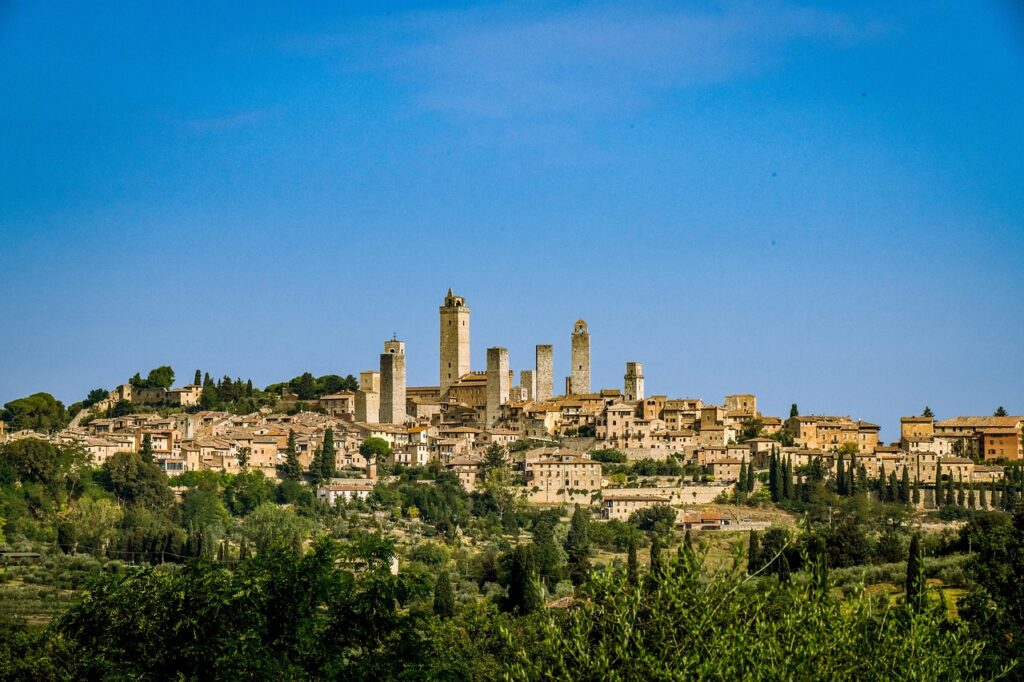
Perched on a hill in the Val d’Elsa in Tuscany, San Gimignano is famous for its striking medieval skyline of slender towers, cobbled lanes and lively squares. A UNESCO World Heritage site, this small town packs a surprising number of sights and experiences that deserve a well-structured guide. Whether you’re a curious traveler, a photographer hunting unique angles, a fan of Tuscan wines or a foodie who likes to walk, San Gimignano offers enough variety to easily fill 50 “titles” — that is, sections, entries or mini-guides focused on specific themes. This introduction sets the scene: how do you divide those 50 titles in a logical, useful and attractive way for someone planning their visit?
The trick is to strike a balance between different tourist categories — historic monuments, museums, viewpoints, restaurants and cafés, gelato shops, artisan boutiques (notably the famed Vernaccia di San Gimignano), walks and wine routes, nearby day trips, practical tips (transport, parking) and thematic suggestions (photography, family travel, romantic getaways). A naive split into 10 categories of 5 titles each won’t necessarily give you the best hierarchy: some areas need more granularity (for example “towers and monuments” or “vineyards & wine tasting”) while others can be condensed (for instance “practical tips” or “budget vs. boutique stays”). In this article I not only lay out immersive itineraries and descriptions for San Gimignano, but I also answer the initial question: “adjust the distribution to reach 50 titles? If (2), specify which categories to reduce (or I’ll propose a corrected distribution).” In short, I’ll give you a practical reallocation method and a recommended breakdown that maximizes usefulness for visitors.
Before diving into practical sections, note that San Gimignano is best explored on foot. Streets are narrow, often steep, and parking is outside the historic center. The best times to visit are early morning (to beat the crowds) and late afternoon (for golden light on the towers). Prices and opening hours in this guide are indicative and can change with the season or local events — always check official sites or call ahead. Now, let’s explore the town across five thematic sections — essential monuments, food & wine experiences, panoramic walks, museums & hidden heritage, and logistics & practical tips including a distribution plan to reach 50 titles.
1) Must-see Monuments and Towers: Historical Immersion and Architecture
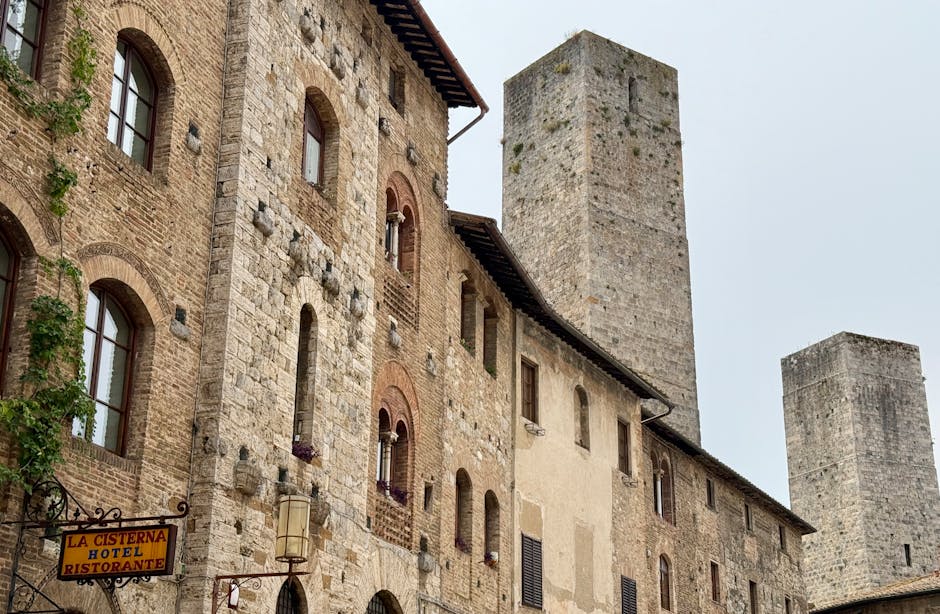
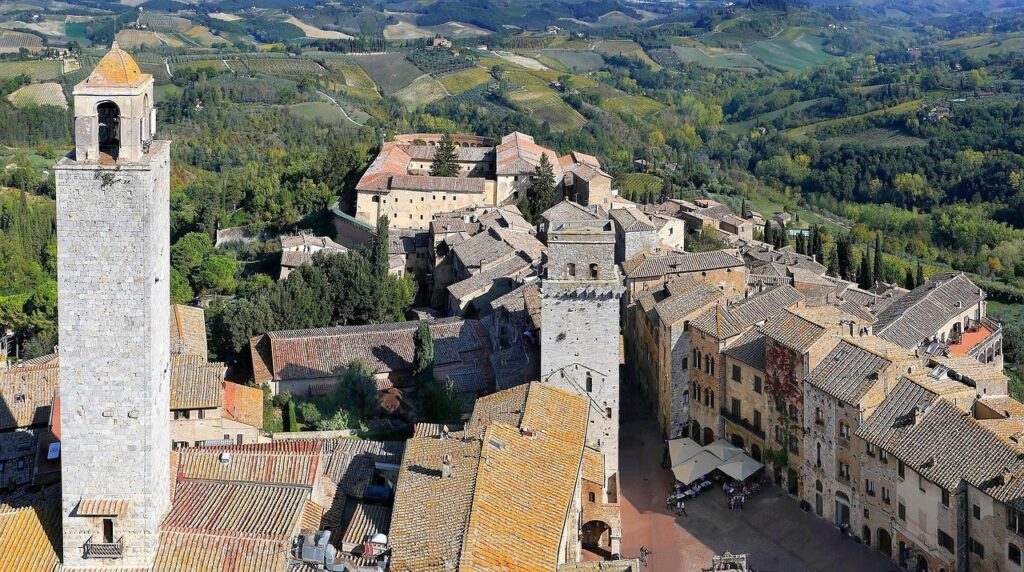
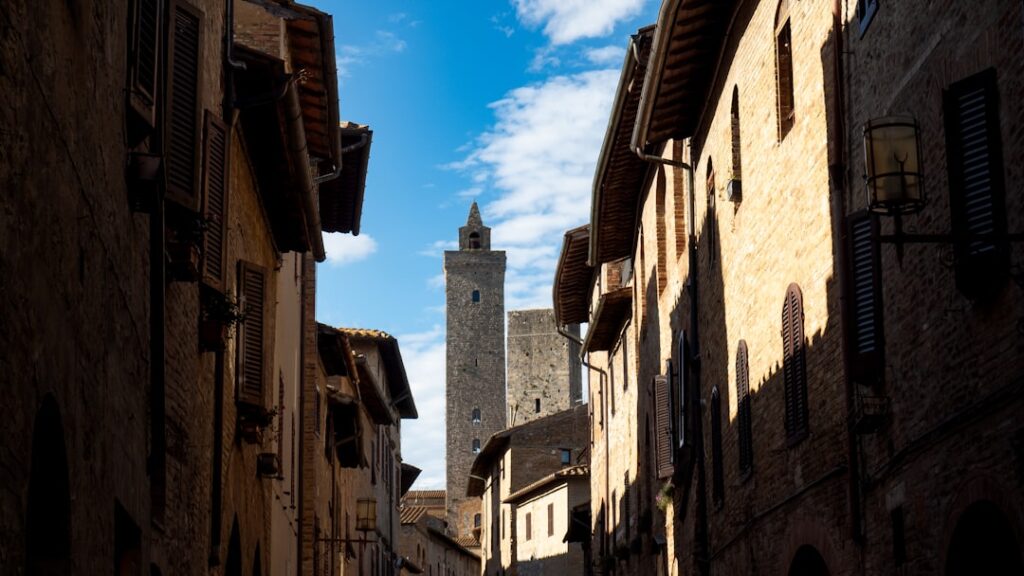
San Gimignano is best known for its medieval towers. Top of the list are Torre Grossa and the Palazzo Comunale, which combine history, art and sweeping views. Torre Grossa (Torre Grossa, Piazza del Duomo, 1, 53037 San Gimignano SI, Italy) is the tallest tower open to the public; access is through the Museo Civico / Palazzo Comunale on the same square. Indicative price: combined Museo Civico + Torre Grossa ticket around €10 for adults, reduced €6 for youth and seniors (prices may change). Typical high-season opening hours: 10:00–19:00, with reduced hours in winter — check the Comune di San Gimignano website for exact times.
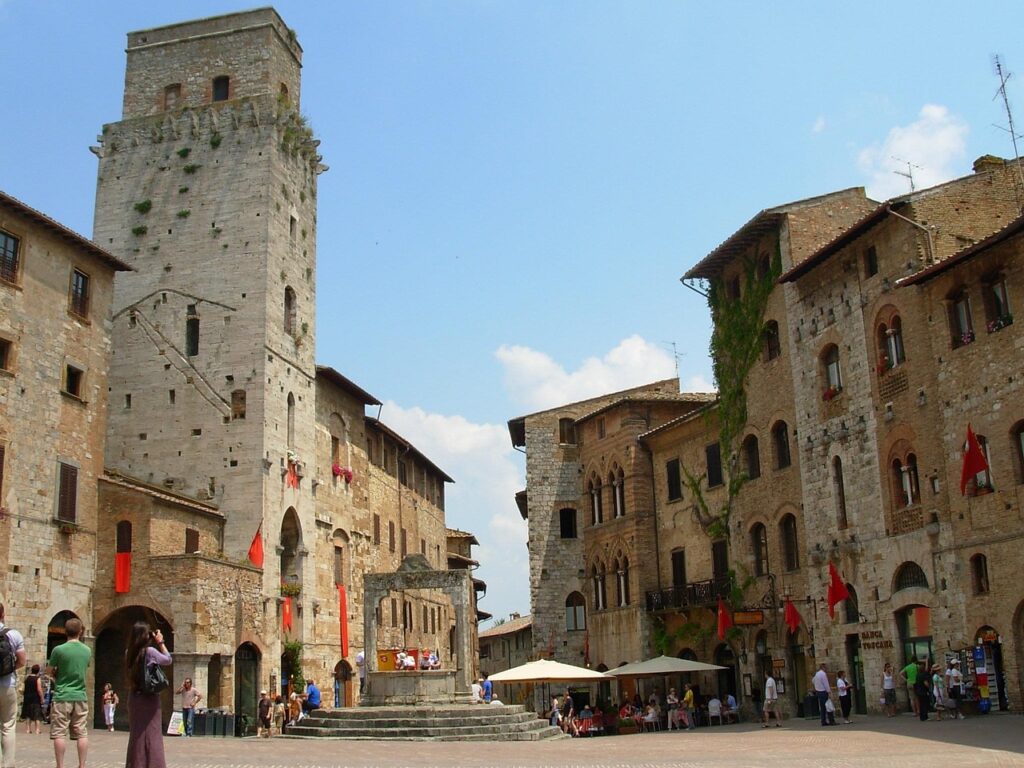
The Museo Civico (Palazzo Comunale, Piazza del Duomo, 1) displays paintings, frescoes and municipal archives. Inside, the Sala del Popolo and the frescoes by local artists (14th–15th centuries) are worth a look. Also stroll through the Piazza della Cisterna (Piazza della Cisterna, 53037 San Gimignano SI): a triangular, cobbled square ringed by towers and cafés — it’s the medieval heart of the town. Sensory details help bring it alive: the echo of footsteps on stone, the smell of coffee and pastries, and the sight of medieval façades bathed in warm light.
Other notable landmarks: the Collegiata di Santa Maria Assunta (Duomo di San Gimignano, Piazza Duomo, 1–2) with 13th-century fresco cycles (often free entry, donations welcome; usual hours roughly 10:00–17:30), and the Rocca di Montestaffoli (Parco della Rocca, Via di Montestaffoli) for an open panorama over the Tuscan countryside (park access is free; small paid areas for temporary exhibitions). The basilica and the town walls are also worth exploring closely — the stones tell stories of rival merchant families (Salvucci, Ardinghelli, and others).
Local tips: arrive right when Torre Grossa opens to avoid lines, and buy the combined Museo Civico/Torre ticket to save time. Bring a water bottle (public drinking fountains are available) and wear comfortable shoes. For memorable photos, climb Torre Grossa at sunset for warm light over the Tuscan hills.
2) Food, Gelato and Markets: Where to Eat, What to Try
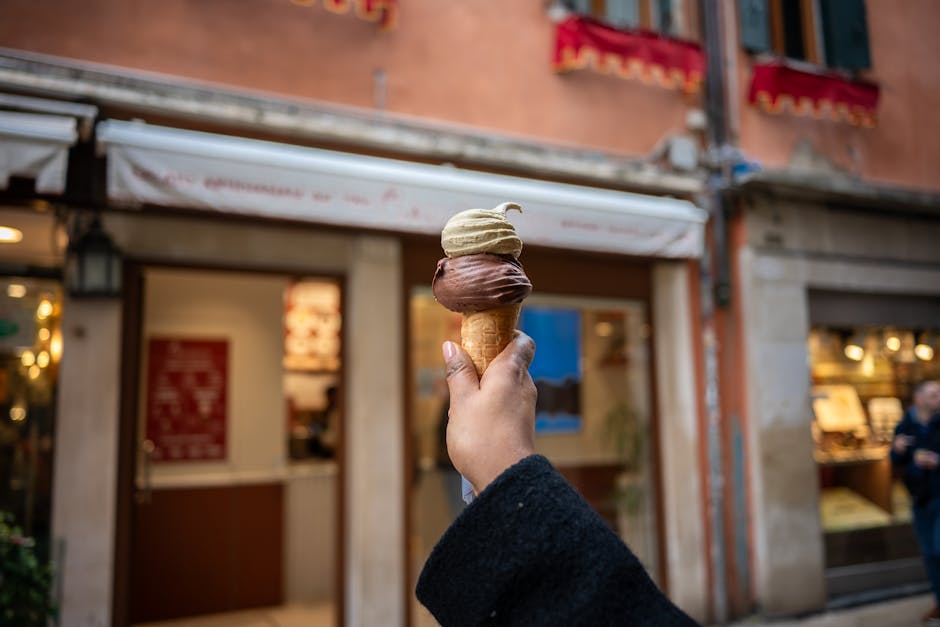
San Gimignano’s cuisine is a celebration of local products: Tuscan olive oil, fresh pasta, charcuterie, cheeses and the famous Vernaccia di San Gimignano (a local white grape). For a genuine sweet break head to Gelateria Dondoli (Piazza della Cisterna, 6, 53037 San Gimignano SI, Italy), a multi-award-winning gelateria. Price guide: two scoops €3–€4; specialty sundaes €5–€8. Summer hours: roughly 10:00–23:00, with shorter hours off-season. Signature flavors — zabaione, saffron, cremino — are often seasonal.
Recommended restaurants:
- Osteria delle Catene, Via Saint Agostino 1, 53037 San Gimignano SI — traditional Tuscan cooking; mains €12–€25, shared antipasti €8–€15. Typical times: 12:30–14:30 / 19:00–22:30.
- Ristorante La Mandragola, Via San Matteo 24, 53037 San Gimignano SI — tasting menus sometimes around €40–€60 per person. Dinner service around 19:30–22:30 (reservations advised).
- Trattoria Chiribiri, Via S. Giovanni 40 — seasonal dishes and generous portions, mains €10–€20.
Wine lovers will find several wineries and agriturismi offering Vernaccia tastings. Example: Tenuta Torciano (Località Torciano, 7, 53037 San Gimignano SI — confirm the exact address before you go), tastings from about €12–€25 per person depending on the flight. Tasting hours generally 10:00–18:00, often by reservation on weekends.
Practical tips: if you want to bring olive oil or wine home, compare prices between shops inside the center (more touristy) and producers outside the town (usually better value and the option to tour). For a budget-friendly option, enjoy the local aperitivo — a glass of Vernaccia with antipasti — typically €8–€12. Buy bread and fresh produce at the local market (check market days — often Thursday or Saturday mornings) and avoid peak restaurant hours (13:00–15:00 and 20:00–21:30) for faster service.
3) Panoramic Walks and Viewpoints: Where to Photograph and Unwind
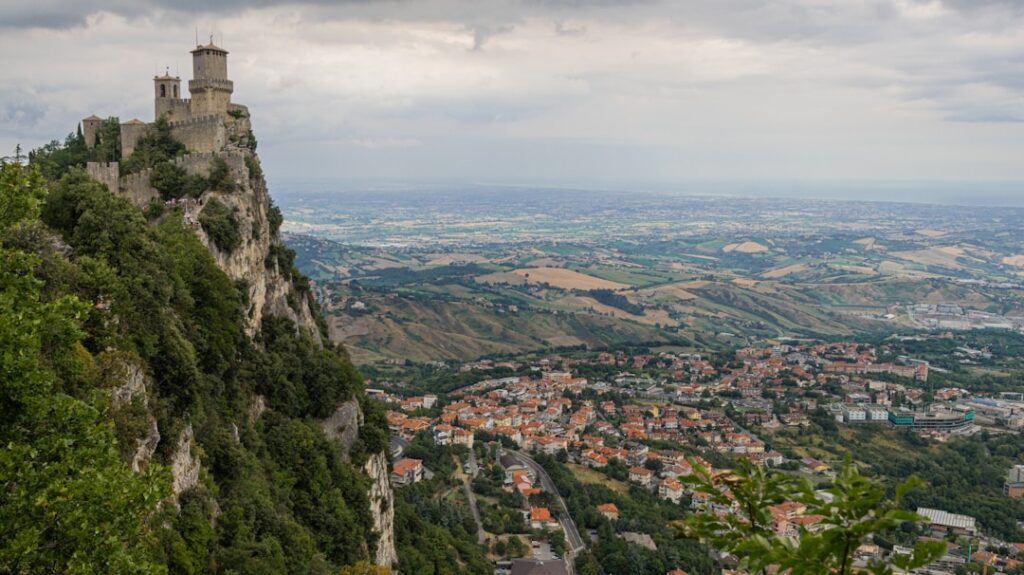
San Gimignano is a dream destination for photographers and landscape lovers. Beyond climbing Torre Grossa, several viewpoints and trails offer complementary perspectives. Parco della Rocca (Rocca di Montestaffoli, Via Rocca) has a shaded path and grassy areas perfect for a picnic with a view — access is free and there’s parking nearby. The walk toward Porta San Matteo (Porta San Matteo, Via San Matteo) and its ramparts gives views over the Elsa valley.
Another highlight is the panoramic road outside the walls to the southwest — Strada Provinciale 1 (SP1) — where several lay-bys and viewpoints let you admire the town with its scattered towers, vineyards and cypress-lined hills. For a less touristy panorama, take the path behind the Chiesa di Sant’Agostino (Piazza Sant’Agostino) and descend into the countryside; morning light makes the golden fields especially photogenic.
Photography tips: for iconic shots, aim for sunrise from the southwest viewpoint (fewer people) or sunset from Torre Grossa (busy — arrive early). Use a wide-angle lens to capture the town and hills, and a telephoto to isolate tower details and stone lintels. Bring a tripod for low-light work, but be aware some spots get crowded and extended setup may be difficult.
If you prefer hiking, several marked routes link San Gimignano to neighboring villages like Colle di Val d’Elsa (roughly 15–20 km depending on the route) and Certaldo Alto (reachable by train or road). For a 2–3 hour outing, follow the rural trails west of town: they cross vineyards, olive groves and small hamlets and are perfect for frequent photo stops.
4) Museums, Churches and Hidden Heritage: Art, Frescoes and Conservation
Beyond the towers and views, San Gimignano hides artistic treasures that are often less visited but utterly fascinating. The Museo della Tortura (Via di Castello 1) offers a documentary-style collection on medieval instruments and judicial practices — entry roughly €5–€7; opening hours vary (often 10:00–18:00). More formal collections like the Museo Civico / Pinacoteca display painted panels, religious works and civic objects (see the monuments section above).
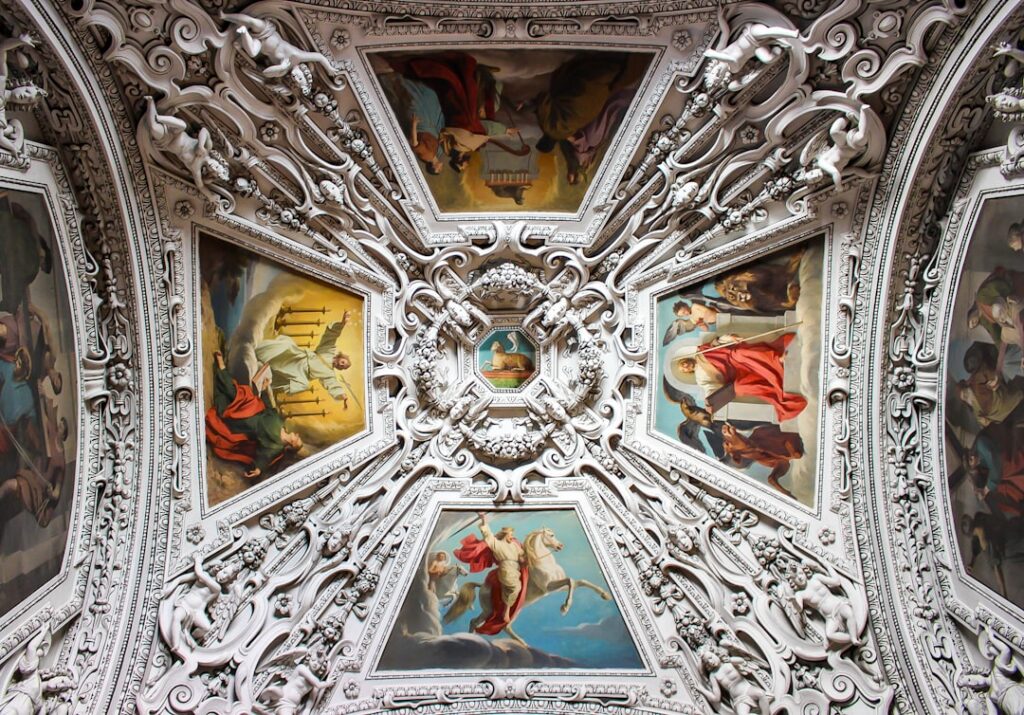
The Collegiata di Santa Maria Assunta (Duomo) deserves special attention for its fresco cycles: vivid biblical scenes cover the walls and explain medieval life and beliefs. Entry is sometimes free, but check the welcome notices for suggested contributions. Standard hours: about 10:00–17:30 (may vary). Other worthwhile churches: Sant’Agostino (Piazza Sant’Agostino) with its cloister and decorated side chapels, and the Oratorio di San Bartolo (a small oratory that’s open depending on services and local celebrations).
Visitor advice: book a guided tour (available in Italian, English and other languages by request) to fully understand the frescoes and the town’s civic history. Municipal museums sometimes offer audio guides; groups can ask about reduced rates. Heritage buffs should keep an eye out for informational panels around town (from the Comune or local associations) that note privately owned buildings occasionally opened during events or heritage days.
Conservation tip: respect rules in religious sites (photos may be forbidden, modest dress often required) and don’t touch frescoes. If you want to dig deeper into local history, visit the Archivio Comunale (Palazzo Comunale) and ask for publications on the ruling families and urban development — many are available in English and Italian.
5) Practical Logistics, Parking, Transport and a Proposal for Reaching 50 Titles
San Gimignano is easy to reach from Florence (about 55–70 km) and Siena (40–45 km). Options include driving (recommended for flexibility), buses (SITA and local operators from Poggibonsi, Colle di Val d’Elsa), organized tours and trains to nearby stations (Poggibonsi station with a connecting local bus). Official parking areas: Parcheggio Il Pino (Via S. Matteo, 53037 San Gimignano SI), Parcheggio Viali (Viale della Libertà) and Parcheggio Porta San Giovanni. Parking rates: roughly €1–€2/hour, daily rates €5–€10 depending on season — in high season arrive early to secure a spot.
Accommodation: options range from agriturismi to boutique hotels. Examples:
- Hotel La Collegiata, Loc. Collegiata, 53037 San Gimignano SI — rooms from around €90–€150 depending on season.
- Agriturismo La Poggiolina, Località Poggiolina — rooms and apartments with breakfast included, rates roughly €80–€160/night.
Now, back to the original question about splitting into 50 titles. If your goal is to produce 50 distinct entries (for e-book chapters, blog posts or mini-guides), here’s a pragmatic approach:
- Allocate by priority categories: Towers & Monuments (8 titles), Food & Gelaterie (7), Wines & Cellars (6), Walks & Viewpoints (6), Museums & Churches (6), Routes & Hikes (5), Accommodation & Agriturismi (4), Practical Tips & Transport (3), Shopping & Craftsmanship (3), Events & Seasons (2). Total = 50 titles.
If instead your starting plan lumps things into only two broad categories (which seems to be the situation your question hints at), here’s which categories to trim or split:
- Break up “Gastronomy” into subcategories (Gelato shops, Trattorie, Markets, Takeaway products) to create several focused entries instead of one broad one.
- Divide “Monuments” into “Towers,” “Palaces & Museums,” and “Churches & Frescoes” to increase the number of meaningful titles without diluting quality.
- Condense “Practical Tips” into a single summary entry and redistribute site-specific practical information (parking, access, hours) into the individual attraction pages.
A corrected distribution proposal (concrete examples for the 50 titles):
- Towers & Monuments (8): Torre Grossa, Palazzo Comunale, Piazza della Cisterna, Rocca di Montestaffoli, Porta San Giovanni, Torre del Diavolo, Torre Chigi, Casa Museo di Simone Martini.
- Food & Gelaterie (7): Gelateria Dondoli, Osteria delle Catene, Trattoria Chiribiri, La Mandragola, local markets, artisan butchers, olive oil shops.
- Wines & Cellars (6): Tenuta Torciano tasting, Vernaccia cellar visits, winery tours, pairing experiences, vineyard walks, wine festivals.
- Walks & Viewpoints (6): Parco della Rocca, SP1 viewpoint, paths behind Sant’Agostino, trails to Colle di Val d’Elsa, sunset route, hidden photo spots.
- Museums & Churches (6): Museo Civico, Collegiata, Sant’Agostino, Museo della Tortura, small chapels, municipal archives.
- Routes & Hikes (5): 2-hour loop, half-day valley walks, morning hikes, Certaldo connection, local cycling routes.
- Accommodation & Agriturismi (4): key hotels, top agriturismi, recommended B&Bs, tips on pricing and seasons.
- Practical Tips & Transport (3): parking, buses and trains, best seasons to visit.
- Shopping & Craftsmanship (3): ceramics workshops, Vernaccia boutiques, leather ateliers.
- Events & Seasons (2): annual festivals, seasonal markets.
This breakdown balances depth and readability, giving readers 50 usable titles to develop as listings, web pages or guidebook chapters. If you like, I can turn this structure into a hierarchical list ready to be expanded into 50 mini-articles or entries.
Conclusion: Final Practical Tips for Planning Your Visit
San Gimignano is a microcosm of Tuscany: medieval towers, celebrated wines, jaw-dropping panoramas and charming alleys. To make the most of your stay, plan ahead: book tastings and restaurants for busy times, arrive early at major attractions and favor late-afternoon walks for unforgettable light and atmosphere. The practical details here — addresses, indicative prices and hours — are a starting point, but always double-check seasonal updates. The 50-title plan gives you a framework to organize in-depth, thematic content useful for different kinds of visitors (photographers, families, food lovers, history buffs).
A few last local tips: respect the sites and the community — don’t park outside authorized areas, don’t climb on restricted walls, and buy locally to support producers. Off-season you’ll enjoy lower prices and a more intimate vibe; in high season aim for early morning or after 5pm visits to avoid the crowds. If you want me to convert the 50-title breakdown into ready-to-publish pages, entries or chapters, tell me the format you prefer (length per entry, language, target audience) and I’ll draft a detailed plan with titles, subtitles and SEO keywords.
Enjoy your time in San Gimignano — and if you’d like me to turn the proposed distribution into 50 full profiles (each with address, up-to-date hours and prices, immersive description and photo tips), tell me your priority (history, food, wine tourism, photography) and I’ll take care of it.