





Introduction — Why read this practical guide to the history of San Gimignano’s towers
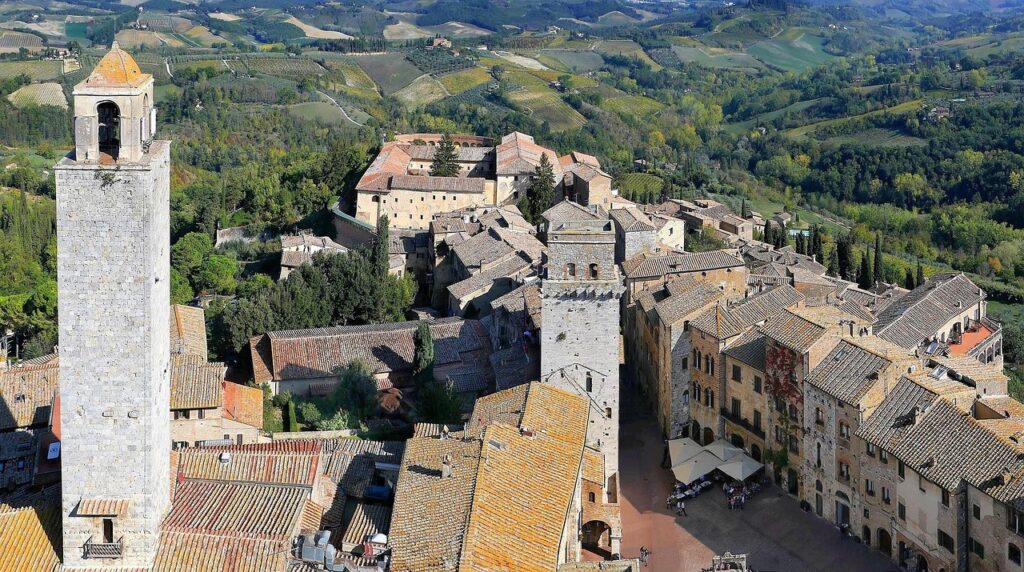
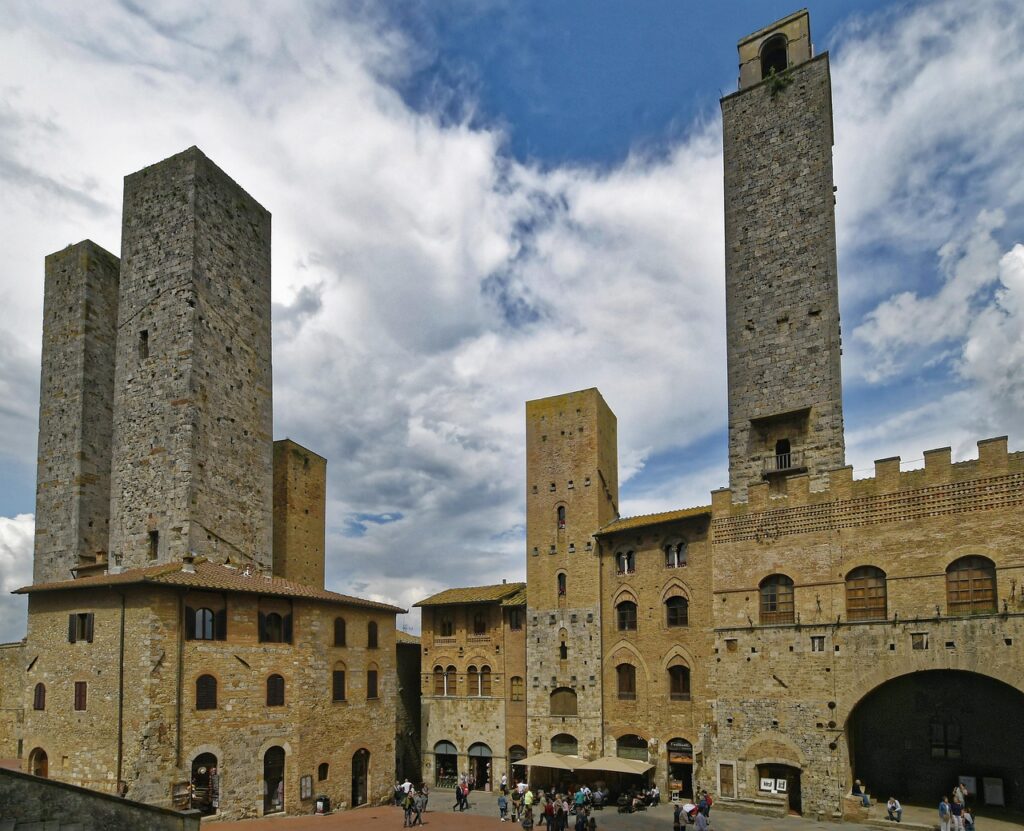
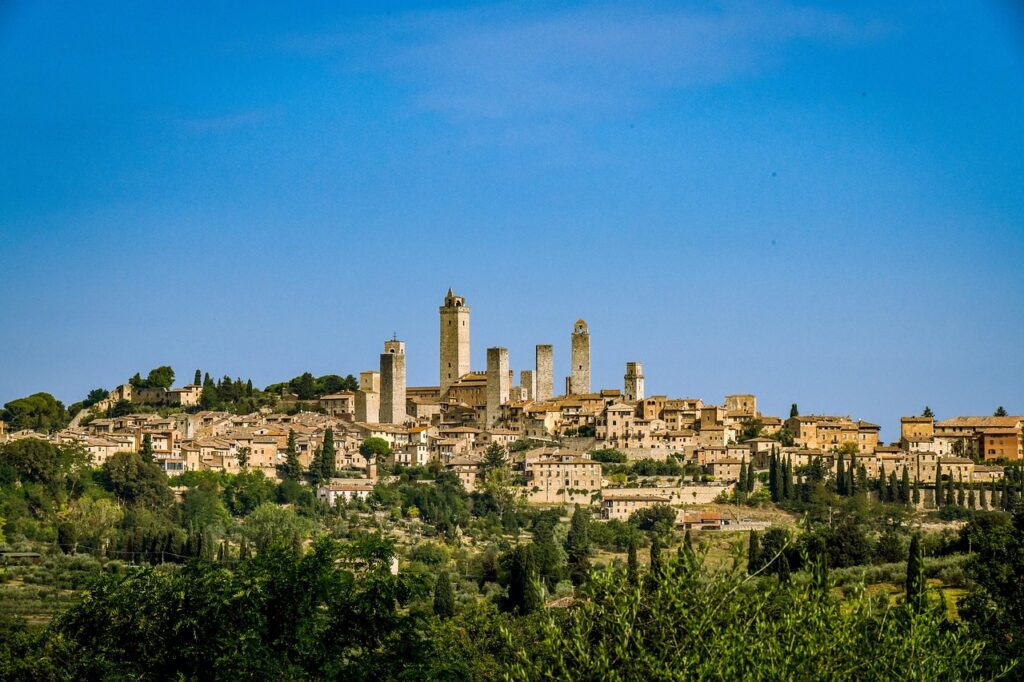
San Gimignano, perched on a hill in the Val d’Elsa in Tuscany, is famous for its medieval skyline punctuated by towers. Those vertical silhouettes shaped the city’s urban, social and political identity from the 11th to the 14th century. This practical guide, laid out in 10 historical steps, walks you through — not just dates and anecdotes — but also what to see on the ground: where to go, how to get in, how much it costs, which streets to take, and the best vantage points for photos. You’ll find exact addresses, opening hours, useful phone numbers, local tips, packing checklists to prepare your visit and recommendations to make the most of each site.
The aim is to be immediately useful. Want to climb the Torre Grossa at sunrise? Looking for the best terrace overlooking Torre Chigi’s inner courtyard? Need to buy a combined museum + tower ticket without queuing? This guide answers those questions precisely. Each step covers a key moment in the towers’ history: their origins, their role in family rivalries, economic impact, laws that curbed construction, their decline and their modern tourist revival. We also provide walking routes, backpack checklists (water bottle, comfy shoes, map, adapter), and contact details for local services (tourist office, pharmacies, parking).
Practical questions covered here: up-to-date entrance fees in euros, seasonal hours, exact addresses like Piazza del Duomo 1 or Piazza della Cisterna 2, tips to avoid crowds (best time: 08:30–10:00), and photographic tips (where to catch golden-hour light). This guide is aimed at independent travelers, photographers, school groups and anyone wanting to understand the town in depth and explore it confidently. At the end you’ll find a summary checklist and a recommended half-day route to see the essential towers without wasting time.
If you’re coming from Florence, Poggibonsi or Certaldo, transport information and recommended parking are included in the relevant steps. The time references and addresses make it easy to plan a precise visit—very useful if you only have half a day. Start reading, follow the 10 numbered historical steps below, and leave with a clear plan: what to see, when, how and for what price.
1. Medieval origins (11th–12th century): settlement and the first towers
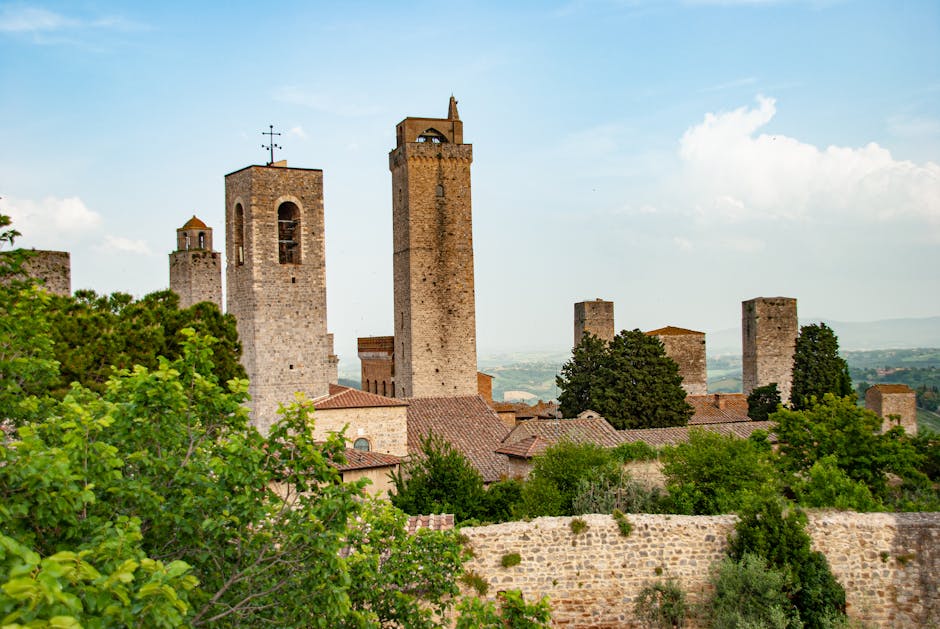
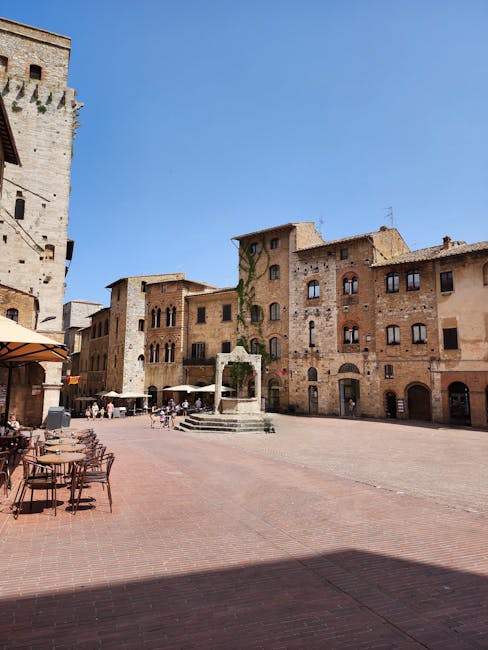
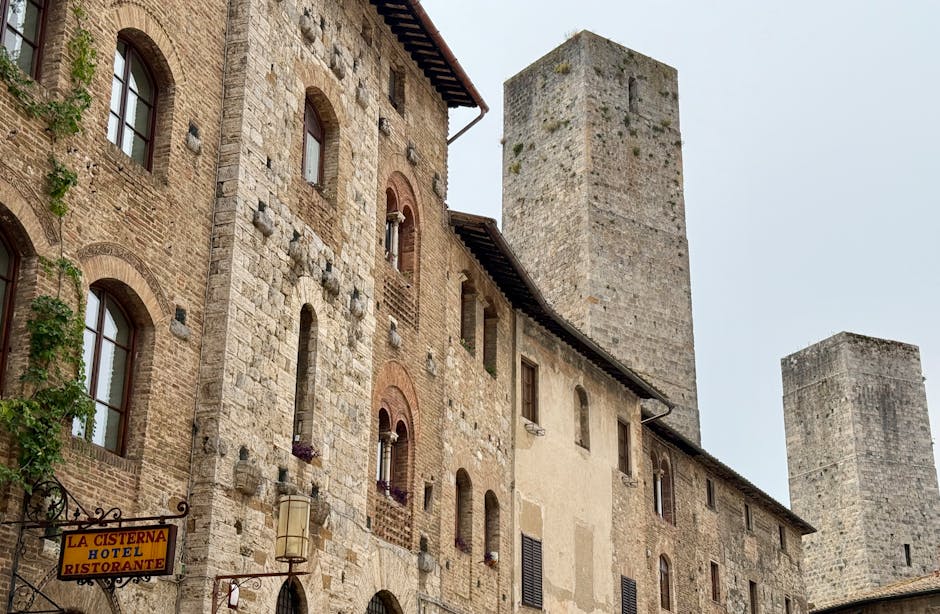
Step 1 covers the birth of the earliest towers—structures initially defensive but also status symbols—and where to spot them today. The first tower-houses appeared between around 1000 and the 12th century, often near main thoroughfares and market squares. To start on the ground: head to Piazza della Cisterna, 53037 San Gimignano SI, Italy. This triangular square is a perfect starting point to locate the bases of the earliest towers.
Address and practical details:
- Starting point: Piazza della Cisterna, 53037 San Gimignano SI, Italy (historic center).
- Tourist office: IAT San Gimignano, Piazza del Duomo 2, 53037 San Gimignano SI, Italy — phone +39 0577 286300 — opening hours: 09:00–19:00 (Apr–Oct), 10:00–16:00 (Nov–Mar).
Prices and visiting: access to the squares is free. For a fuller experience, climb the nearby viewpoint, Torre Grossa (Piazza del Duomo 1) — combined ticket Museo Civico + Torre Grossa: adult €9.00; reduced €6.00 (students and seniors); free for children <6 years. Torre Grossa hours: 10:00–19:00 in high season (Apr–Oct), 10:00–17:00 in low season. Ticket office phone: +39 0577 943811.
Local tips:
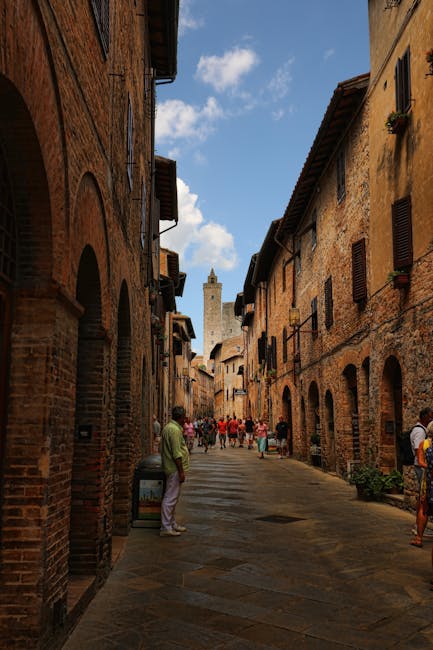
- Arrive early (08:30–09:30) to avoid tourist buses and to catch the best light on the local stone facades of the medieval towers.
- Wear closed, non-slip shoes: the basalt lanes can be slippery after rain.
- Look for fortified bases: they reveal the shift between residential use and community defense.
2. The golden age of family strongholds (12th–13th century): rivalry and prestige
During the 12th and 13th centuries San Gimignano became a stage for family rivalries. Prominent families like the Ardinghelli, the Salvucci and the Guidi built towers to flaunt their power. To understand this golden age, follow a precise route: start on Via San Giovanni, 53037 San Gimignano SI, Italy, then head up Via San Matteo and Piazza del Duomo.
Suggested route:
- Start at Via San Giovanni (near Porta San Giovanni) — study the façades, often incorporated into family palaces.
- Continue up Via San Matteo to Torre Grossa and the Palazzo Comunale (Piazza del Duomo 1) — the Palazzo houses archives and frescoes that illustrate these rivalries.
- Visit the Museo Civico (Palazzo Comunale): address Piazza del Duomo 1 — price included in the combined ticket (€9.00 adult); hours similar to Torre Grossa.
Practical info: The Museo Civico displays original documents and models showing the town’s 13th-century layout. Allow 45–60 minutes for a full visit. Audioguides available in English and Italian (extra €3.00 if not included).
Practical tips:
- Photograph stone family crests on façades: they’re often visible around the first floors.
- Avoid 11:00–15:00 if you want fewer people on the main squares.
- Ask Museo Civico staff for reproductions of old plans — useful to compare past and present urban layouts.
3. Defensive functions and urban strategies
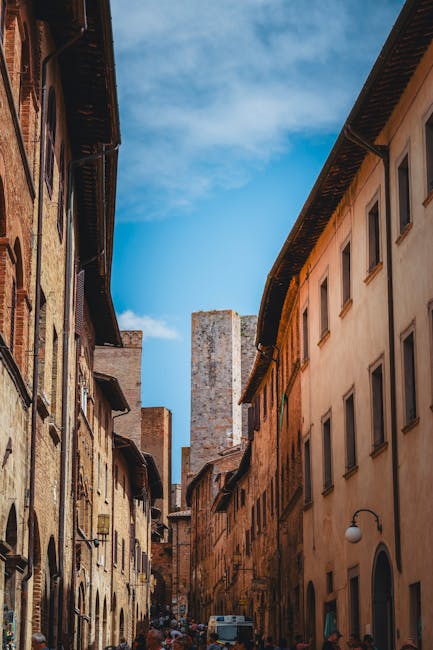
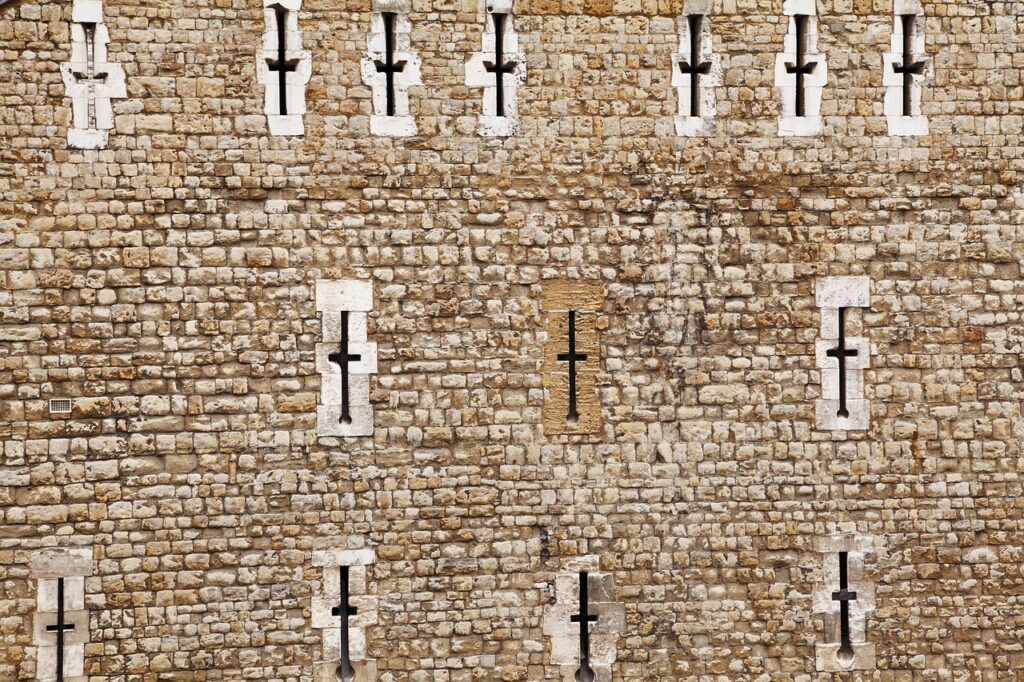
The towers were not just status symbols; they were used for surveillance, signaling (beacon fires) and sometimes as detention. Step 3 explains where to spot those defensive clues: arrow slits, battlements and loopholes. Walk along Via Costarella, 53037 San Gimignano SI, Italy — this lane shows several towers with still-visible defensive elements.
Concrete landmarks:
- Via Costarella — local guided walks are available (booking recommended via the Tourist Office, see contacts above).
- Towers to observe: Torre Salvucci, Torre Chigi, Torre Frosini (look for loopholes and reinforced stone bases).
Rates and hours: most private towers are not open to the public, but viewing them from the street is free. For private guided tours (60–90 minutes) expect roughly €80–€120 for a bilingual guide (Italian/English) for a group of 1–6 people; inquire at +39 0577 286300.
Local advice:
- Ask the guide for examples of interior space use — some towers still have original wooden ceilings and internal ladders.
- For night photography, locate street lighting aimed at the stone: best results between 20:30 and 22:30 in summer.
- If you plan to fly a drone, note it’s strictly forbidden in the historic center without municipal authorization (contact Comune di San Gimignano, Piazza del Duomo 1, +39 0577 943811).
4. Regulations and limits on towers: municipal ordinances
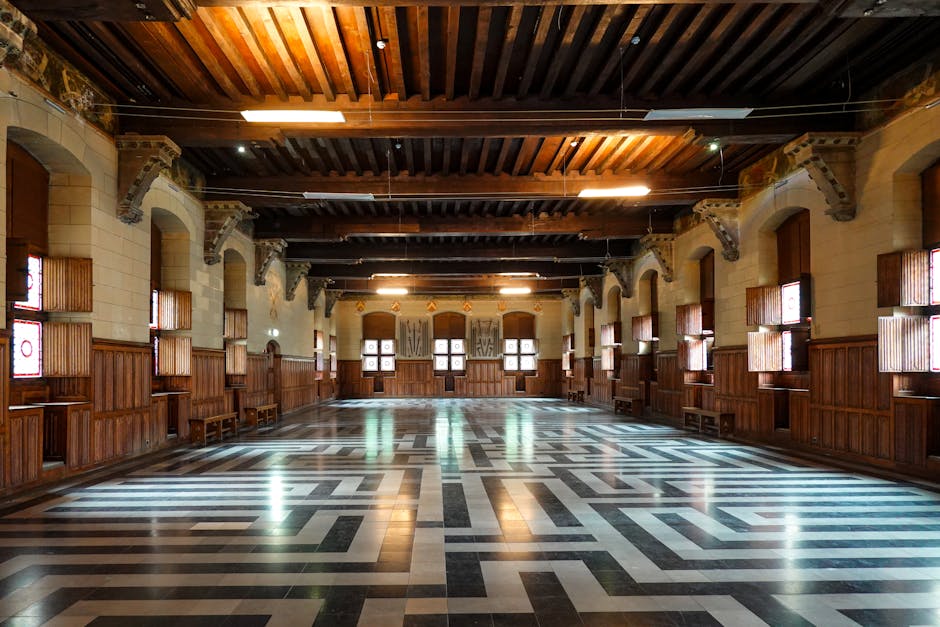
Faced with the proliferation of towers, local authorities sometimes tried to limit their height and number. This fourth step explains the main municipal ordinances and where to find traces of these decisions today. The Palazzo Comunale (Piazza del Duomo 1) keeps decrees and registers. To consult archives on site, contact the Ufficio Archivio Storico — address: Piazza del Duomo 1, 53037 San Gimignano SI — phone +39 0577 943811; consultation by appointment: 09:00–13:00 (Mon–Fri).
Access and costs: archive consultation may require permission; administrative fees vary (often symbolic, ≈ €5–€15). Contact the office at least 7 days before your visit to reserve a slot.
Field observations:
- Many tower-houses show superimposed building phases: blocked levels, sealed windows — signs of regulation and adaptive reuse.
- In municipal records, look for mentions of « divieto di innalzarsi » (ban on building higher) and applied fines.
Practical tips:
- Bring photocopies/photographs of documents if you need to show evidence to local historians or guides.
- For serious research, hire a local archivist (typical rate €30–€50/hour).
- Check Palazzo Comunale opening hours before you go; in high season temporary exhibitions can close parts of the building.
5. The economy of towers: patronage, rents and trade
By the 13th century the towers became economic tools: used as shops, storage and sometimes commerce at street level. Step 5 points out addresses where these uses are still readable. Head to Via San Matteo, along the lower façades where shops opened onto the street.
Practical places to visit:
- Antica Drogheria on Via San Matteo — historic shop now selling local products (address: Via San Matteo, 22, 53037 San Gimignano SI, Italy) — hours: 09:30–19:30; closed Wednesdays off-season.
- Museo della Civiltà Contadina (if hosting a temporary exhibition): check the Tourist Office for hours and prices.
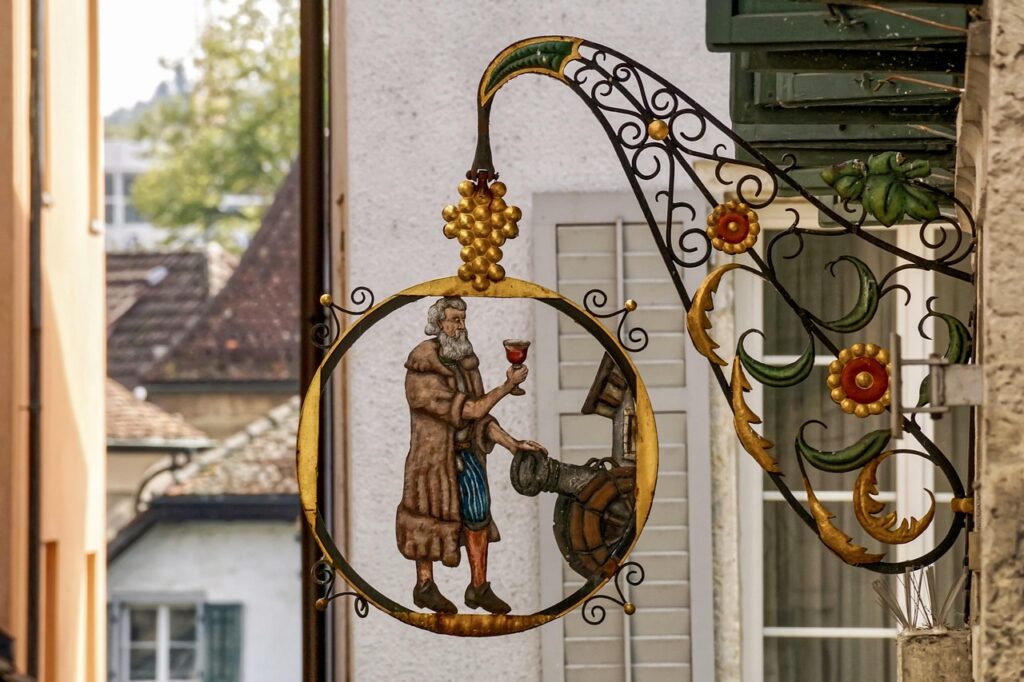
Budget info: tastings and local product purchases — Vernaccia di San Gimignano wine, olive oil — indicative prices: Vernaccia bottle €8–€20; winery tasting €5–€12 per person (often refunded if you buy a bottle). Many wineries and shops accept cards (but carry some cash for small rural shops).
Expert tips:
- Spot old commercial doors (widths and iron rings): they indicate direct street-level trade access.
- Ask shopkeepers about their building’s history — many have documents or old photos to share.
- For an authentic souvenir, buy Vernaccia DOCG at the Enoteca della Fortezza (Via S. Giovanni area) — check the label and vintage.
6. Crises, wars and partial abandonment (14th–16th century)
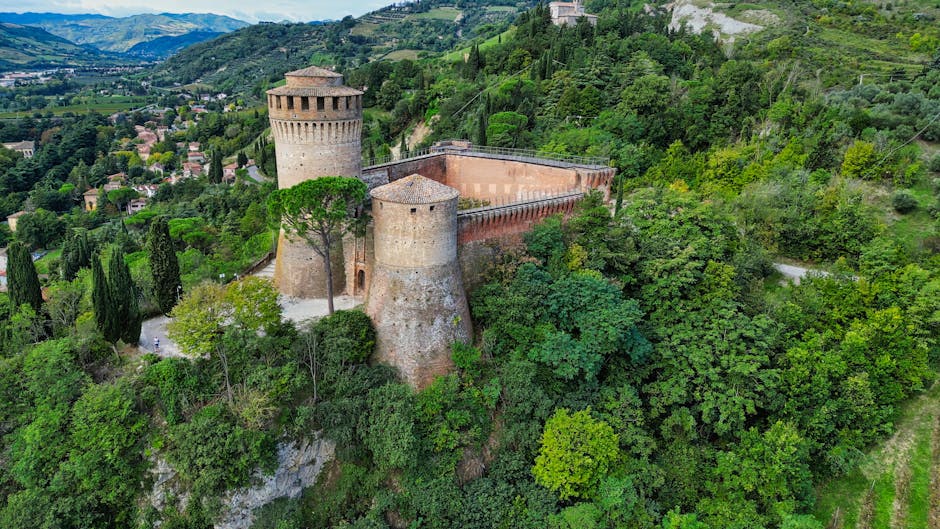
From the 14th century onward San Gimignano faced demographic crises, wars and gradual decline. Some towers were partially dismantled or left to decay. This step directs you to areas where signs of decline are visible: collapsed remains, crude repairs and repurposed windows.
Observation points:
- South-East quarter, around Via San Giovanni and Via San Matteo — look at differences in facing stone and reused masonry.
- Gardens and terraces around the Rocca di Montestaffoli (accessible ruins) — access: Viale delle Rimembranze, 53037 San Gimignano SI, Italy.
Visiting and fees: access to the Rocca ruins is free (public area). If a temporary exhibition is set up in the gardens, the Tourist Office will provide times and prices.
Practical tips:
- Plan a morning visit to avoid the heat on the climb up to the Rocca.
- Bring a paper map: mobile reception can be weak in certain alleys.
- For an architectural analysis, book a specialist guide (reservation via the Tourist Office; estimated cost €50–€90 for 1–3 people).
7. Renaissance and stabilization (16th–18th century)
After the crises, some towers were consolidated and adapted to residential or administrative needs. Step 7 explains where to see these interventions: fresh mortar joints, enlarged openings and plastered walls. Walk to the northern part of the historic center, around Via San Matteo and Via Folgore da San Gimignano.
Addresses and notes:
- Via Folgore da San Gimignano — look for façades where medieval arches were filled in to create larger windows.
- Museo Archeologico (Palazzo del Popolo/Piazza del Duomo 1) — may display objects and amphorae showing continuous occupation: check ticketing for access (€9.00 combined ticket).
Hours and access: museums and exhibitions follow the same Palazzo Comunale and Torre Grossa hours (see Step 1). Buy tickets at the Piazza del Duomo 1 ticket office or online via the Fondazione San Gimignano official site (if available).
Practical tips:
- Note recently cleaned walls — often a sign of municipal conservation work (interpretive panels sometimes present).
- Ask museum staff whether themed Renaissance tours are scheduled — often at set times in high season.
8. 19th–early 20th century: rediscovery and early restorations
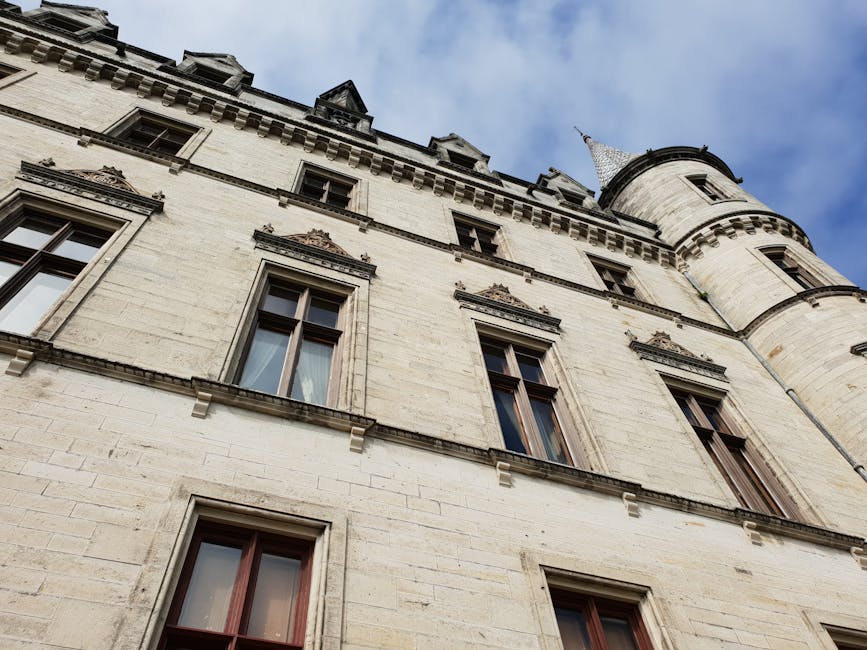
With growing interest in history and art, San Gimignano attracted antiquarians and Grand Tour travelers. This step describes early restorations carried out by intellectuals and patrons, and how to recognize their traces: uniform plastering, cornice repairs and added metal supports.
Where to see them:
- Palazzo del Podestà (Piazza del Duomo) — restorations documented in municipal archives.
- Private properties now converted into hotels or B&Bs — e.g. historic B&B on Via San Giovanni (check online for specific addresses depending on your travel dates).
Budget and bookings: if you want to visit a private house turned museum or historic B&B, book in advance; some private guided visits cost €70–€120 depending on duration.
Practical tips:
- Look for commemorative plaques on façades: they often name the patron or the restoration date.
- For editorial or reportage photography, ask owners’ permission when photographing refurbished interiors — respect residents’ privacy.
9. Protection and heritage (20th century): preservation and UNESCO status
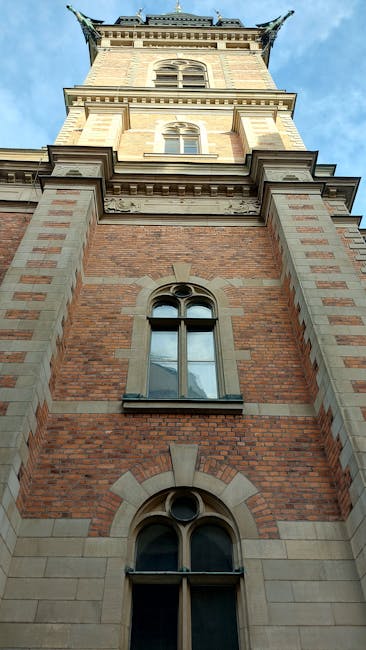
San Gimignano gained World Heritage recognition for the exceptional quality of its urban landscape. This ninth step explains the protective measures in place (zoning, conservation rules), where to find information and how this affects your visit.
Practical information:
- UNESCO / Comune di San Gimignano office, Piazza del Duomo 1 — for information on protection rules and permanent exhibitions.
- Local regulation: exterior alterations visible from the public space are forbidden without authorization; heavy fines apply for unauthorized work (municipio info: +39 0577 943811).
Impact on visitors:
- Photography restrictions: no erected supports or additional lighting without permission.
- Access to towers: most are protected and open under strict terms (limited tickets, time slots). Book online if possible.
Practical tips:
- If you’re planning a film shoot or professional photo session, secure Comune authorization at least 30 days in advance (fees vary).
- Pay attention to heritage signage; it explains ongoing conservation projects.
10. Contemporary tourism and sustainable management: visiting, tickets, parking and practical experience
Step 10 gathers practical information for visiting today: ticket purchases, opening hours, parking and tips for a sustainable visit that respects the site. Here’s a concrete, verifiable action plan.
Tickets and times:
- Torre Grossa + Museo Civico — Piazza del Duomo 1 — combined ticket adult €9.00, reduced €6.00, free <6 years — hours: 10:00–19:00 (Apr–Oct), 10:00–17:00 (Nov–Mar). Ticket office phone +39 0577 943811.
- Tourist Office (IAT) — Piazza del Duomo 2 — hours: 09:00–19:00 (high season), 10:00–16:00 (low season) — phone +39 0577 286300.
Parking and access:
- Main car park: Parcheggio Ruffolo, Via di Vallerozzi, 53037 San Gimignano SI — rates: ≈ €1.50/hour or €8.00/day (may vary). Walking time to Porta San Giovanni: ≈10 minutes.
- Coach parking: Piazzale Pomarance, 53037 San Gimignano — reservation required for tourist buses; charges depend on vehicle size.
Practical checklist for a successful visit:
- Printed or e-ticket for Torre Grossa/Museo Civico.
- City map or offline app (mobile coverage can be patchy).
- Comfortable shoes, water bottle (public fountains available on Via San Matteo), hat for summer.
- Small change (€) for tiny shops; cards are accepted in most official places.
- Camera, compact tripod if allowed (check local rules for supports).
Recommended half-day route:
- 08:30 — Arrive, park at Parcheggio Ruffolo (Via di Vallerozzi).
- 08:45–09:30 — Morning stroll through Porta San Giovanni and Via San Matteo, photos in soft light.
- 09:45 — Quick coffee at Piazza della Cisterna (Caffè delle Erbe or similar — espresso price €1.20–€2.50).
- 10:00 — Torre Grossa/Museo Civico tickets (Piazza del Duomo 1) — climb and visit (~60–90 min).
- 12:00 — Lunch at a local trattoria (e.g. Trattoria Chiribiri, Via San Giovanni 22 — dishes €10–€20).
Sustainable tips:
- Stick to marked paths to avoid erosion of ancient structures.
- Avoid disposable packaging; favor local products to support the economy.
- Do not touch sculptures or frescoes; skin oils accelerate deterioration.
Conclusion — Practical recap and final itinerary
This 10-step guide has presented the history of San Gimignano’s towers while tightly linking the story to practical routes. You now know where to start (Piazza della Cisterna), which key addresses to remember (Piazza del Duomo 1 for Torre Grossa and the Museo Civico; Piazza del Duomo 2 for the Tourist Office), what prices to expect (combined ticket €9.00 adult, reduced €6.00), and general opening hours (10:00–19:00 in high season for Torre Grossa). You also have administrative contacts: Comune di San Gimignano / Palazzo Comunale (Piazza del Duomo 1), +39 0577 943811, and the IAT Tourist Office (+39 0577 286300).
In practice: arrive early, buy tickets in advance if possible, and follow the provided checklist so you don’t forget anything. The 10 historical steps let you read the town like a book: from medieval foundations and the first towers to municipal regulations that tried to channel vertical growth, through economic transformations and successive restoration phases. Each step offers concrete places to visit, addresses and local tips for photographing, understanding and respecting the heritage.
To finish, here’s a quick 2-hour itinerary if you’re short on time:
- 08:30 — Parcheggio Ruffolo (Via di Vallerozzi) — walk toward Porta San Giovanni.
- 08:45 — Photo stop at Piazza della Cisterna.
- 09:15 — Climb Torre Grossa (combined ticket €9.00 if available).
- 10:15 — Museo Civico (Palazzo Comunale) — 45–60 minutes.
- 11:30 — Coffee break, then local shopping (Via San Matteo).
Remember: San Gimignano is a living, protected site. By planning your visit with the addresses, hours and prices given here, you’ll optimize your time and help preserve the place. Have a great trip, and take the time to admire not only the towers themselves but the urban fabric that connects them — every stone tells a page of history that you now hold in your hands.