





Introduction — Step into San Gimignano’s medieval soul through its churches
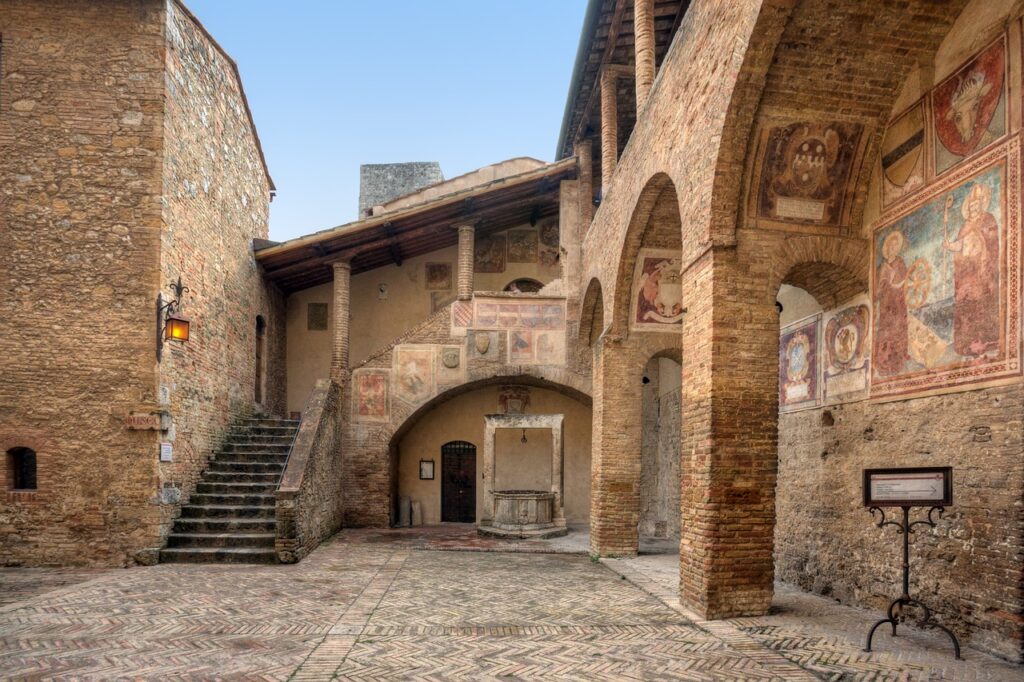
Perched on a hill in the Val d’Elsa in Tuscany, San Gimignano is often nicknamed the « medieval Manhattan » for its tall towers piercing the skyline. But beyond the town silhouettes and sweeping views, it’s the medieval churches that best tell the story of its religious, artistic and social life. These buildings, sometimes grand, sometimes understated, shelter cycles of frescoes, private chapels, altarpieces and stone pavements that speak of a vibrant spiritual life and fierce artistic competition between families and confraternities in the 14th and 15th centuries.
This general guide invites you on an immersive walk through San Gimignano’s sacred sites. It mixes practical information (exact addresses, prices, current opening hours) with detailed descriptions of the artworks and interiors, tips to make the most of your visit and local anecdotes that bring the stone to life. Whether you’re an art lover, a pilgrim, a photographer or just a curious traveler, San Gimignano’s medieval churches offer a range of sensory experiences: the imposing hush of a nave, light filtered through ancient glass, the scent of wax and incense during a service, and the near-tactile presence of polychrome frescoes.
In this article we’ll go into detail on some of the most significant buildings: the Collegiata di Santa Maria Assunta (the Duomo), the Church of Sant’Agostino, the Church of San Lorenzo, the Church of San Francesco and a few lesser-known oratories and chapels worth your attention. For each site you’ll find the exact address, typical opening hours, entrance fee (when applicable), an immersive description of highlights and practical tips (best times to visit, respectful behavior, photography rules and combined-ticket options).
San Gimignano isn’t a frozen museum: it’s a living town where churches still host services, concerts and ceremonies. Respecting those practices, asking permission before photographing during celebrations and visiting outside peak hours (early morning or late afternoon) will improve your experience. Sunday services and patronal festivals can transform the atmosphere of these places, revealing local traditions that have often stayed alive for centuries.
Finally, this guide includes practical recommendations: how to combine visits to reduce queues, where to find audio guides or brochures in French/English, and tips on transport and dining nearby. You’ll also find visual cues to inspire your shots: framing positions to catch the light on an altarpiece, external panoramas with the towers in the background, or close-ups of fresco details. Grab your travel notebook or camera: each church is a time capsule worth exploring slowly and attentively.
The Collegiata di Santa Maria Assunta (Duomo) — The spiritual and artistic heart
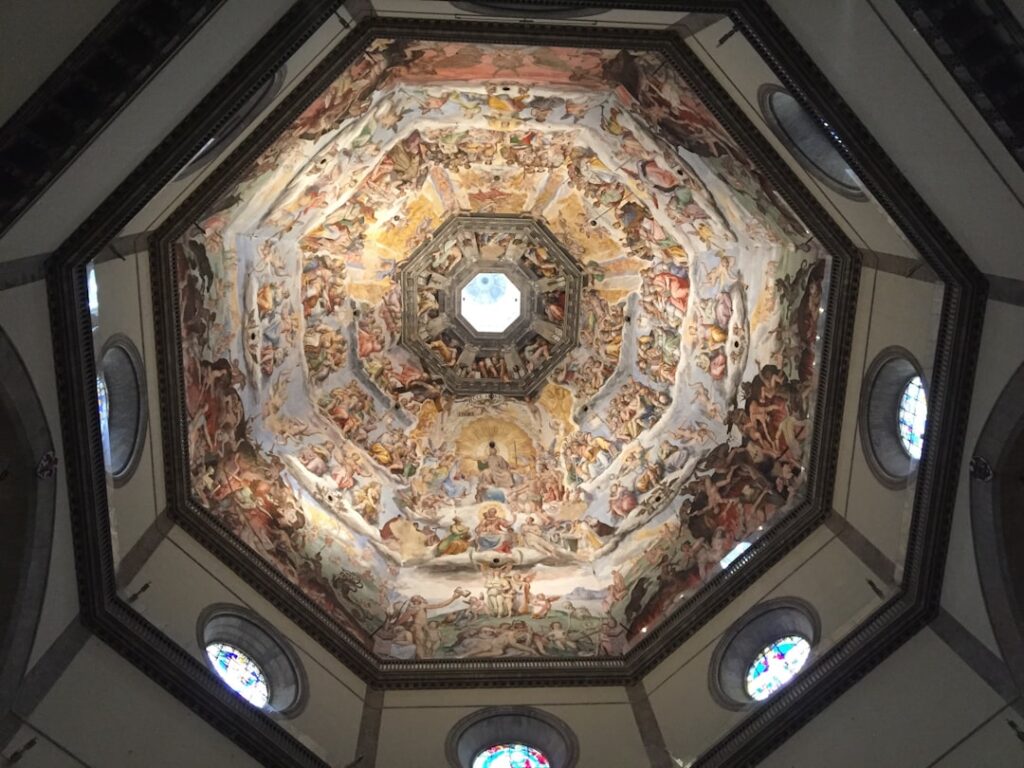
Address: Piazza del Duomo, 53037 San Gimignano SI, Italy. The Collegiata di Santa Maria Assunta, commonly called the Duomo of San Gimignano, is the town’s main church and a key monument for anyone wanting to understand Sienese and Florentine religious art of the 13th and 14th centuries. Built on an early Christian site and modified over the centuries, the Collegiata displays an exceptional ensemble of narrative fresco cycles by influential Tuscan artists, covering almost every wall of the nave and side chapels. These cycles tell biblical stories (Life of the Virgin, Life of Christ, Last Judgment) with dramatic intensity and a still-vibrant color palette.
Hours: generally open daily from 10:00 to 17:30 (seasonal variations — summer hours often extended to 18:30). Fees: combined entry tickets with the Museo Civico / Torre Grossa and Duomo access are commonly offered around €6.00 to €10.00 (indicative price; discounts for youth, seniors and groups; sometimes a « San Gimignano Card » is available). Ticket offices are usually located at the piazza entrance or in the adjacent Museo Civico (Piazza del Duomo). To avoid lines, arrive early in the morning or later in the afternoon, especially during high season (May–September).
Immersive description: stepping over the threshold, the cool stone and the subtle scent of candle wax greet you. The single nave opens onto frescoes arranged in medallions and large narrative panels that alternate striking storytelling with rich ornamental borders. Note the care given to Marian iconography: episodes from the Life of the Virgin are rendered in expressive compositions. The Last Judgment, often located on the apse wall, impresses with its intensity and theatricality, while details like drapery, expressive faces and painted architectural backdrops reveal the mastery of the painters. Take time to study at eye level and close-up the votive motifs, inscriptions and remnants of gilding that have survived the centuries.
Local tips: strictly respect areas marked « no entry » and adhere to photography rules (some sections prohibit flash). The Museo Civico’s audio guide often includes a segment devoted to the Duomo — consider renting it to better decode the fresco narratives. Combine your Duomo visit with the Museo Civico and Torre Grossa: the view from the tower gives a panorama that places the Collegiata within its urban and landscape context. Finally, if you want to attend a service or a concert (often held in summer), check with the Collegiata’s parish office for specific schedules.
Chiesa di Sant’Agostino — Austere architecture and intimate frescoes
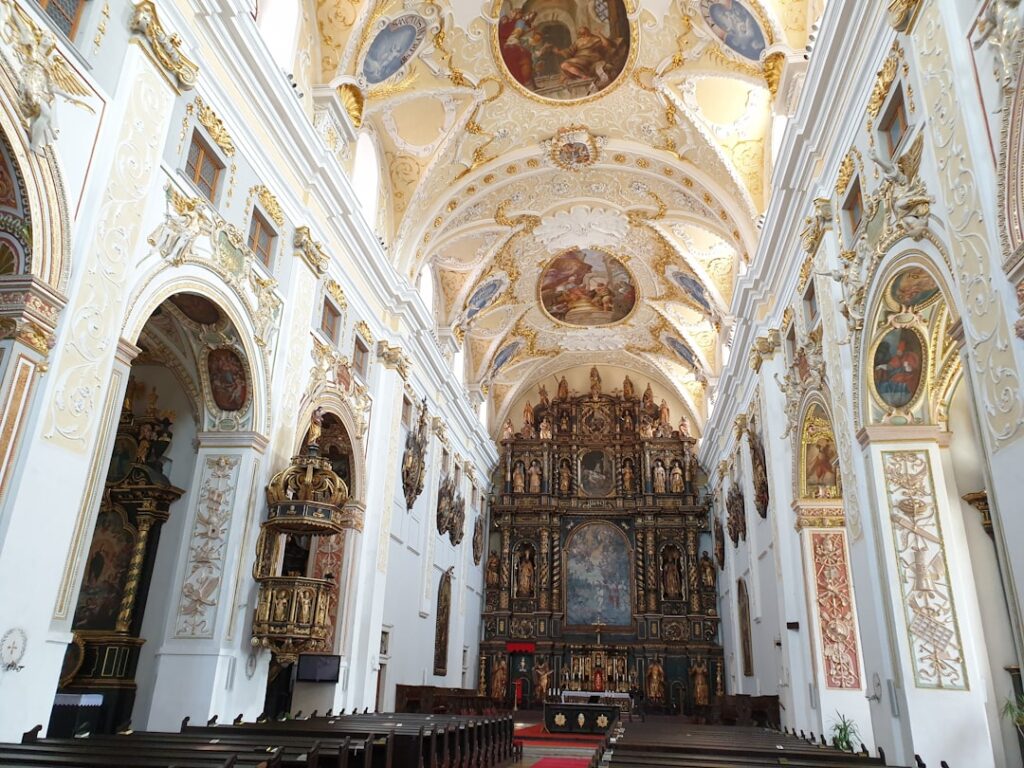
Address: Piazza Sant’Agostino, 2, 53037 San Gimignano SI, Italy. The Church of Sant’Agostino, a short walk from the Porta San Giovanni, is a medieval Augustinian building (13th–14th century) notable for its sober massing and an interior adorned with finely executed pictorial cycles. The church belonged to the Augustinian order and was part of a convent complex; today it still retains the contemplative atmosphere of medieval religious houses.
Hours: generally open from 09:30 to 17:00 (times can vary with the season and services). Fees: free entry to the main church; a suggested donation or small ticket of €2.00 to €5.00 is often requested for access to the chapels and frescoes. Check onsite information panels for exact prices. The church sometimes hosts temporary exhibitions, especially of religious photography and contemporary sacred art.
Immersive description: the exterior, built of slightly gray travertine, presents clean lines that contrast with the richly painted interior. On entering, you immediately feel the verticality of the vaults and the focused light pouring in from high windows. The side chapels hold narrative frescoes — Passion scenes, depictions of local saints and hagiographic cycles. Some frescoes still preserve surprising colors, especially ochres and reds, revealing the hand of local painters influenced by the Sienese and Florentine schools.
Points of interest: the chapel dedicated to the Virgin, a well-preserved medieval panel altarpiece, and fragments of popular iconography that testify to the devotion of urban confraternities. The adjacent cloister, when open, offers a shady spot to sit and understand the conventual layout. The walls sometimes show ex-votos or ancient graffiti — tangible signs of the close relationship between San Gimignano’s people and their church.
Local tips: Sant’Agostino is an excellent choice if you’re after a calmer, more in-depth visit than the Duomo. Photographers should favor a mid-morning visit to catch the side light that reveals fresco reliefs. Locals also advise buying a postcard or brochure at the entrance: proceeds support the conservation of fragile frescoes. If a Mass is in progress, be discreet and keep noise to a minimum, even when sharing impressions about the artworks.
Chiesa di San Lorenzo and small chapels — Lesser-known treasures
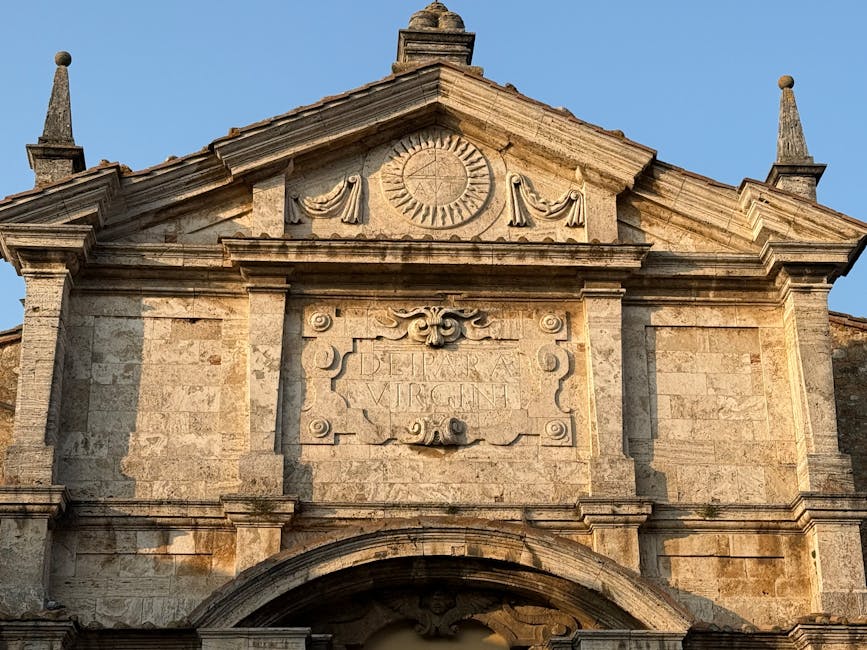
Address: Via San Lorenzo (historic center), 53037 San Gimignano SI, Italy. The Church of San Lorenzo (often simply called San Lorenzo) is more modest than the Duomo or Sant’Agostino, but it offers valuable discoveries: small chapels, wooden altarpieces and medieval tempera paintings preserved thanks to local restorations. In San Gimignano many private chapels and oratories line the lanes: visiting them reveals fragments of domestic religious architecture and the patrons who commissioned works for their families or guilds.
Hours: variable — often open during the day (09:00–13:00 and 15:00–18:00), but it’s strongly recommended to check with the local tourist office or the city’s information panels. Fees: most small churches and chapels can be visited free or by donation (€0.50 to €3.00); some private chapels are accessible only by reservation or guided tour (fees €5.00 to €12.00 depending on the format).
Immersive description: San Lorenzo and its neighboring chapels are intimate spaces where the boundary between the sacred and the everyday medieval world feels close. Altars are often small, trimmed with residual gilding and painted panels depicting patron saints of trades (weavers, stonemasons, merchants). The art feels more « domestic » — direct expressions, concentrated color and iconography tailored to a community’s spiritual needs. Some altarpieces are signed or attributed to local workshops, making them interesting pieces for tracking the movement of artists.
Points of interest: look for Latin inscriptions carved into stone frames, painted ex-votos and confraternity seals. These details sometimes tell stories of travel, recovered health and private devotions. Some chapels on side streets also keep medieval baptismal fonts and funerary monuments of local noble families, helping to reconstruct the social and religious networks of the time.
Local tips: to find these small gems, stray off the main tourist routes (Via San Giovanni, Via San Matteo) and wander secondary streets. Early morning is the best time to meet locals and enter buildings sometimes left open by the community. Always ask permission before photographing a service or specific liturgical objects. Also check with the Tourist Office (Ufficio Informazioni e Accoglienza Turistica) for keys and opening times of oratories if you want special access.
Chiesa di San Francesco and the sacred oratories — Faith and confraternities
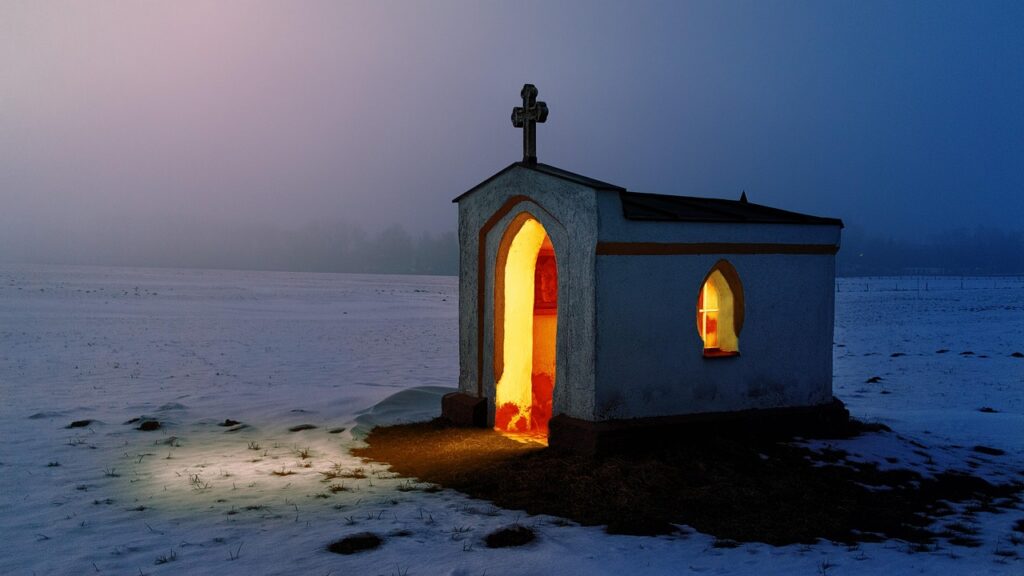
Address: Piazza San Francesco / vicinity (historic center), 53037 San Gimignano SI, Italy. The Church of San Francesco, and the Franciscan convent historically associated with it, attest to the significance of the mendicant orders in Tuscany. Although convent buildings have sometimes been repurposed, the church and its oratories retain a strong spiritual imprint marked by Franciscan poverty and attention to charitable and community work. San Gimignano’s religious urban fabric includes confraternity oratories that organized processions, funeral rites and patronal festivals.
Hours: many oratories and the main Church of San Francesco open during the day; typical hours 10:00–17:00. Fees: entry to the main church is often free; €2.00 to €5.00 for museumified spaces or chapels with frescoes. Some thematic guided tours on confraternities cost around €10.00 to €15.00 per person.
Immersive description: Franciscan spaces favor simplicity: large bare surfaces intended for preaching, didactic frescoes aimed at instructing an illiterate population, and side chapels offered by benefactors. In the oratories, paintings often focus on the lives of saints (Saint Francis of Assisi, Saint Anthony) and episodes of humility and charity. The wall textures, sometimes left in limewash, tell of restoration campaigns and the everyday life of the friars who staffed the parish.
Points of interest: don’t miss confraternity iconographic banners (rolls or emblems), pews and funerary inscriptions that materialize collective memory. In season, sacred music concerts or Gregorian chant performances are sometimes held here — a unique chance to experience medieval acoustic resonance. Some oratories also host temporary exhibitions on medieval religious life and local charity, useful for understanding the works in context.
Local tips: if you want to grasp how these places functioned as community hubs, find out about patronal feasts (parish festivals, local sagra processions): they offer insight into traditions still alive today. For iconography enthusiasts, join a thematic guided tour (often led by specialists in sacred art): you’ll learn to identify saints’ attributes and read scenes as a medieval audience would. Dress modestly and avoid overly casual attire when entering chapels still used for worship.
Practical tips, suggested routes and heritage conservation
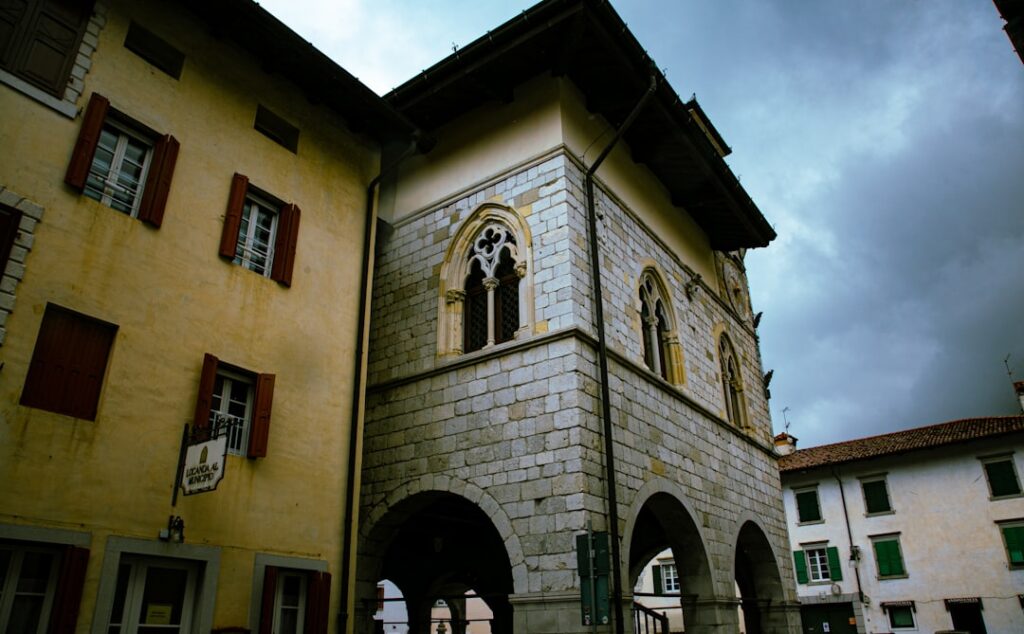
Getting around San Gimignano is a pleasure: distances are short, but cobbled streets and pedestrian zones encourage slow walking. Here are practical tips to optimize your visits to the medieval churches:
- Access and parking: the historic center of San Gimignano is largely pedestrian. If you arrive by car, leave it in the car parks signposted at the town’s entrance (for example Parcheggio Montemaggio or Parcheggio Faggeto) and walk to the sites. Useful address for the main parking: Parcheggio Faggeto, Via Faggeto, 53037 San Gimignano SI, Italy.
- Combined tickets: favor combined tickets (Duomo + Museo Civico + Torre Grossa) to save time and money. The tourist information point (Ufficio IAT), usually near the Piazza della Cisterna, provides maps, bilingual brochures and up-to-date schedules.
- Best time to visit: early morning (before 10:00) or late afternoon (after 16:00) to avoid most tour groups. Rainy days can be a boon, offering dramatic interiors and fewer visitors.
- Respect and photography: respect closed areas, avoid flash on frescoes and silence your phone during services. Some churches ask for small contributions to maintenance; these donations help preserve frescoes and medieval structures.
- Guides and resources: opt for a specialized guided tour (sacred art or confraternity history) if you want in-depth explanations. Local libraries and some museums offer technical sheets and publications for deeper study.
Heritage conservation: preserving frescoes and carved wood is an ongoing challenge. Ask about restoration projects in progress: often a portion of visitor contributions is reinvested in these works. If you’re passionate about archaeology or conservation, some local associations organize « behind-the-scenes » visits to restoration workshops (check availability at the tourist office).
Conclusion — Understanding San Gimignano through its churches
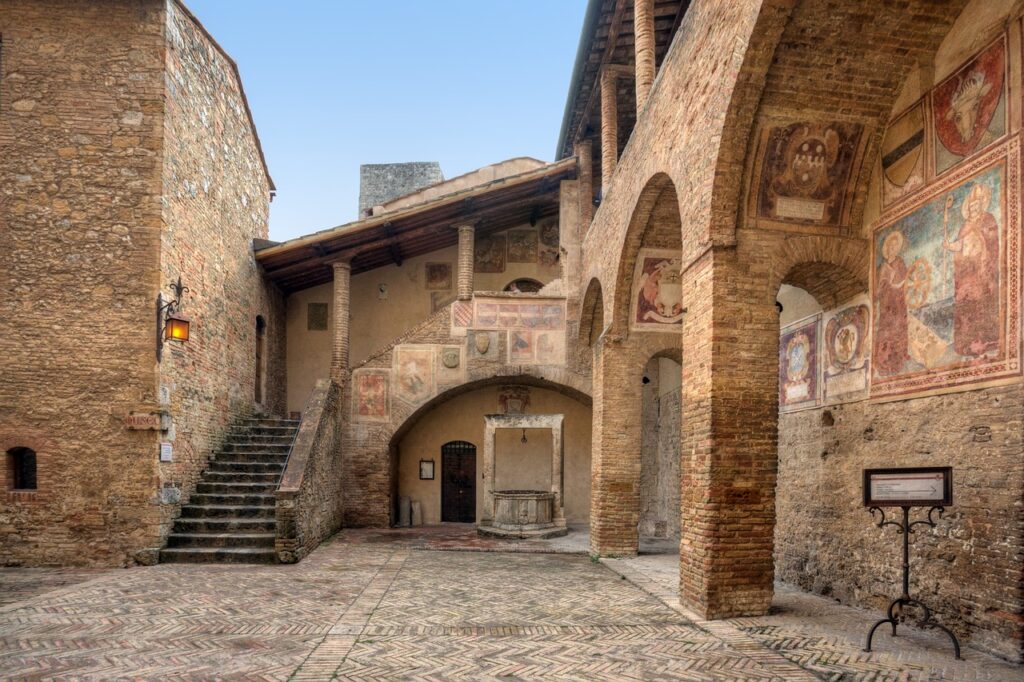
San Gimignano’s medieval churches are much more than places of worship: they are stone-and-color archives documenting the spiritual, social and artistic life of a prosperous medieval town. From the narrative majesty of the Collegiata di Santa Maria Assunta to the intimate chapels scattered through the lanes, each building adds a piece to the historical puzzle. By studying frescoes, altarpieces, inscriptions and even popular ex-votos, you can reconstruct a collective memory made of devotions, family rivalries and communal aspirations.
Visiting these churches calls for a slow, respectful pace: give yourself time to read labels, question guides and, above all, to stand still in front of a fresco to take in its iconographic details. Combine the major sites (Duomo, Sant’Agostino) with stops at small chapels and oratories to get a complete, nuanced picture of medieval faith in San Gimignano. Whether you’re a specialist or a curious traveler, these places offer rich — and often moving — sensory and intellectual experiences.
Before you leave, consider supporting the preservation of these treasures: buy a brochure, make a donation or join a local guided tour. These small gestures help safeguard the works for future generations. And remember that San Gimignano is as much to be lived as it is to be seen: take time to enjoy a coffee on the Piazza della Cisterna after your sacred discoveries, let the Italian light soak into your view, and if you can, return at different times of day to see how the town — and its churches — change with the light.