





Introduction: A Tasteful Immersion in San Gimignano’s Medieval Heart
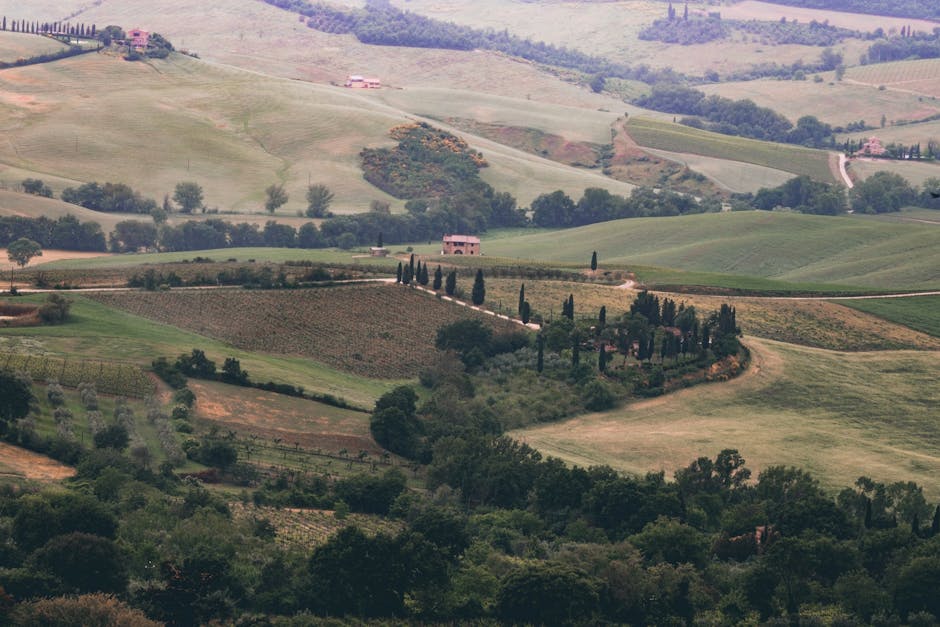
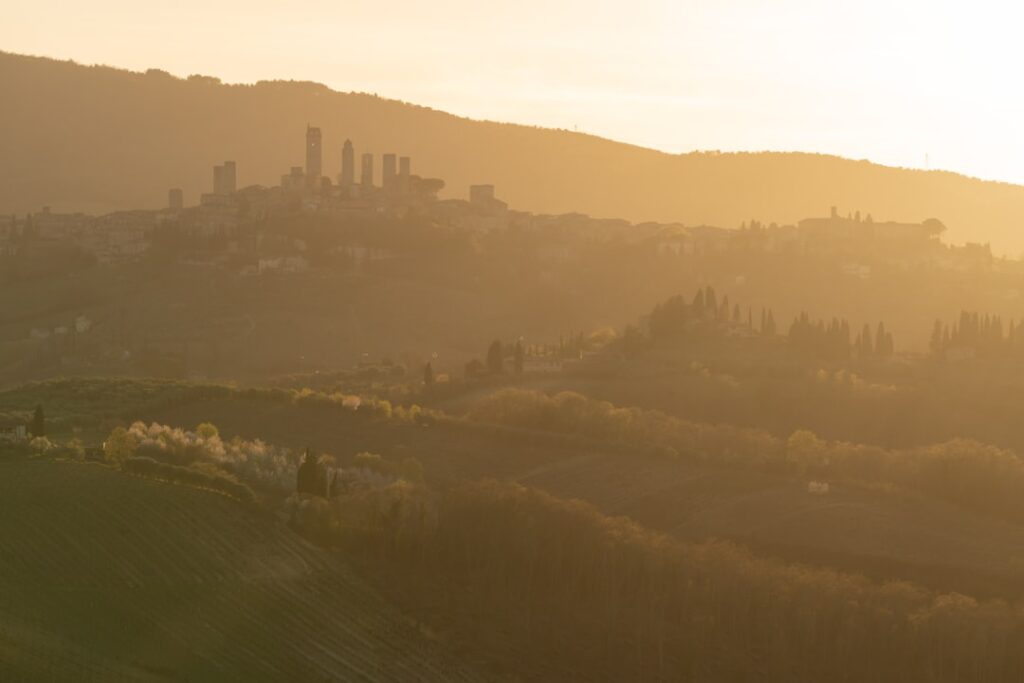
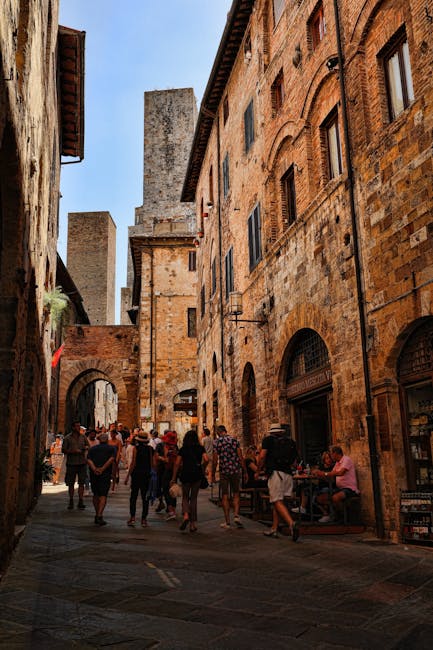
Perched on a hill in the Tuscan countryside, San Gimignano is famed for its medieval towers, cobbled streets and preserved atmosphere. But beyond the ochre façades and the sweeping views over the Val d’Elsa vineyards, it’s at the local market that you can really feel the town’s daily, culinary soul. A “foodie walk through the San Gimignano market” is more than a shopping spree: it’s meeting producers, discovering time‑honored recipes and sampling regional specialties—from pecorino cheese and bottles of Vernaccia di San Gimignano to warm bread and homemade jams.
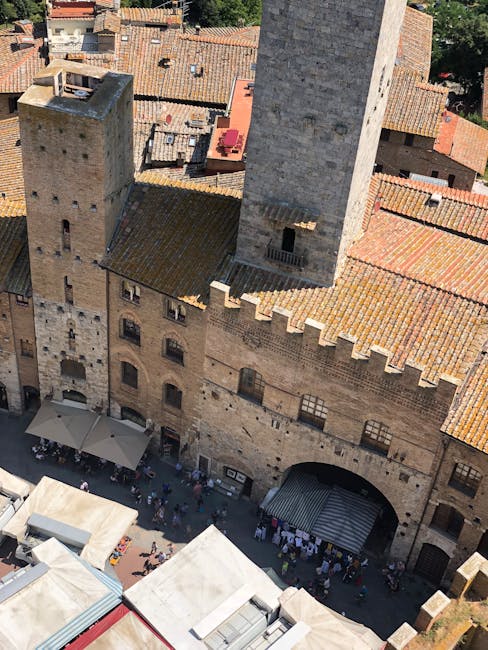
The market unfolds mainly across the town’s iconic squares: Piazza della Cisterna and Piazza del Duomo, where colorful stalls line up between the towers and in front of the Collegiata di Santa Maria Assunta. The atmosphere is unique: vendors calling out with samples, local families doing their weekly shopping, curious travelers tasting authentic Tuscan flavors for the first time. Scents mingle—green olive oil and herbs, toasted bread, aged balsamic vinegar—inviting you on a true sensory stroll.
This guide offers a practical, structured walk to get the most from the market: where to start, which producers to prioritize, how much to budget, and the logistical tips to optimize your visit (opening hours, parking, payment methods, keeping your purchases fresh). I’ll point out exact stalls and addresses, give indicative prices in euros, typical opening hours and concrete advice for tasting, buying and bringing home a few Tuscan treasures. Whether you’re a seasoned food lover or a traveler seeking authenticity, this walk will explain why San Gimignano is as much a gastronomic destination as it is an architectural one.
Finally, I’ll suggest complementary stops around the market: a gelato break at a local institution, a Vernaccia tasting at a nearby cellar, and a panoramic stop to cap off your stroll. The sections below detail each stage so you can plan your visit with ease and savor every moment, every bite and every glass.
Detailed route: from the car park to the first stalls (first glimpse of Piazza della Cisterna)
Start your morning early to enjoy the market before the tourist crowds arrive. Most stalls open between 08:00 and 13:00, with peak activity from about 09:00 to 11:30. For parking, leave your car outside the walls at Parcheggio Porta San Giovanni, Via San Giovanni, 53037 San Gimignano SI, Italy — a convenient spot, about a 5–10 minute walk from the main entrance. City car parks usually charge (roughly €1.50–2.50 / hour); bring coins or a bank card depending on the machine.
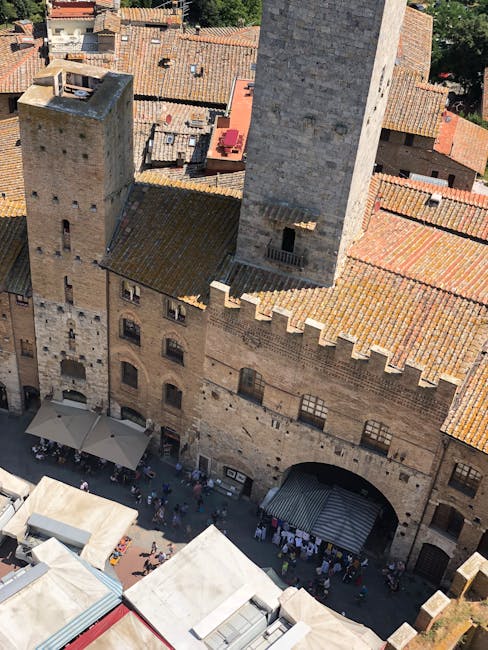
Enter through Porta San Giovanni and head toward Piazza della Cisterna: a triangular, cobbled square surrounded by medieval façades and dominated by Gelateria Dondoli. Address: Piazza della Cisterna, 4, 53037 San Gimignano SI, Italy. It’s the perfect starting point to let the market guide you: begin with a visual sweep of the stalls and locate the producers of cheese, cured meats, breads and pastries. Cheese stands often offer tastings of fresh and aged pecorino (indicative price: €10–25/kg depending on aging). Local charcutiers sell prosciutto crudo and artisanal salami (around €20–35/kg).
Practical tip: bring a cooler bag if you plan to buy fresh items, especially in summer. Traders typically accept cards for larger purchases, but small transactions (€5–20) are often cash-only. Many stalls also sell ready-to-eat specialties: bruschette with local olive oil, crostini topped with Tuscan pork pâté, and homemade arancini (portion price: €3–7).
Star products and their makers: cheeses, cured meats, olive oil and honey
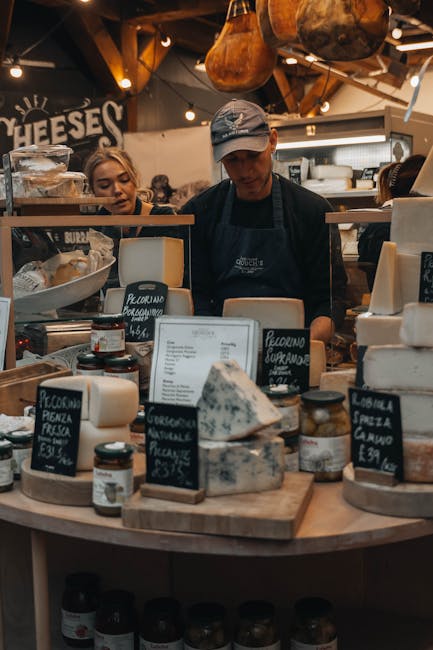
The market overflows with produce directly from the Tuscan countryside. Must-tries include pecorino di Pienza and aged pecorino, commonly offered by local producers from the province of Siena. Cheeses are sold by weight: expect roughly €10–25/kg depending on maturity and rarity. Try varieties flavored with pepper or olive oil—they pair beautifully with local wines.
Extra‑virgin olive oil is another cornerstone. You’ll find 500 ml bottles from about €8–12, up to €25–30 for special vintages or single‑cultivar oils. Producers will happily explain the difference between early-harvest (grassy, bitter) and riper oils (milder)—don’t hesitate to request a tasting on grilled bread. Artisanal honey, made by local beekeepers, is sold in 250 g or 500 g jars (€6–12 depending on the bloom: acacia, millefiori or chestnut).
Don’t miss the cured meat stalls: salami, finocchiona (fennel‑flavored salami), coppa and prosciutto. Prices vary but a 200–300 g piece of artisanal salami can cost €5–10. Vendors often share the story of the animal’s origin and curing methods—a real knowledge exchange. Another regional specialty is pane sciapo, the saltless Tuscan bread, perfect with cheeses and cured meats.
Practical tip: always ask about product origins and production dates. Bring a cooler if you plan to buy aged cheeses and cured meats to maintain the cold chain. Some vendors offer vacuum packing to make transport easier.
Sweet treats and drinks: gelato, jams, Vernaccia wine and coffee
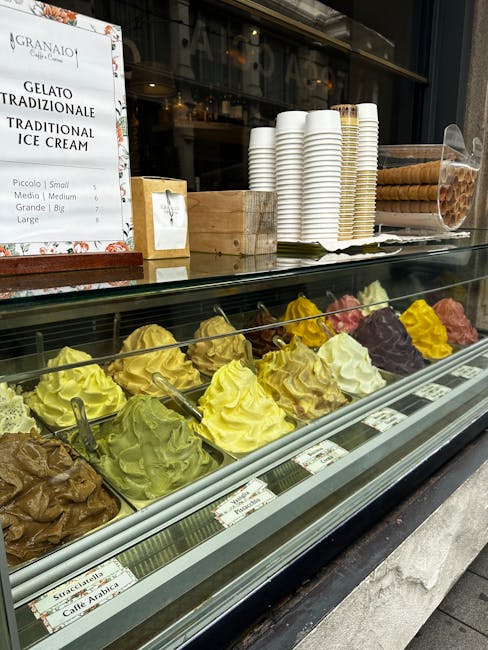
After the savory stalls, schedule a sweet stop on your route. Gelateria Dondoli (Piazza della Cisterna, 4) is an institution: award‑winning gelato with creative and classic flavors served in cones or cups. Average price: €3–4 for a single cone, €5–7 for a generous cup. Typical opening hours run roughly 11:00–23:00 (seasonal variations). Try local flavors like Vernaccia gelato or ricotta with honey.
Artisanal jams and Tuscan biscuits (cantucci) are sold in prettily packaged jars and bags. A 250 g jar of jam usually costs €4–8, while a packet of cantucci is about €3–6. Producers often offer tastings on small bread slices or biscuits.
For wine lovers, Vernaccia di San Gimignano is the local star. You can buy bottles directly at the market or in nearby cellars. Indicative prices: €8–25 per bottle depending on designation and age. For a deeper tasting, head to Azienda Agricola La Rocca (as an example of a cellar to visit) or the small osterie around town for a glass, asking for advice on vintage and style (dry, fruity, sparkling). Cellars usually host tastings between 10:00 and 18:00.
Practical tip: if you buy wine, pack the bottle carefully or ask the seller for bubble wrap. For gelato, opt for smaller portions and eat while strolling to avoid spills, especially on the old cobbles.
Atmosphere, encounters and practical tips for a successful visit
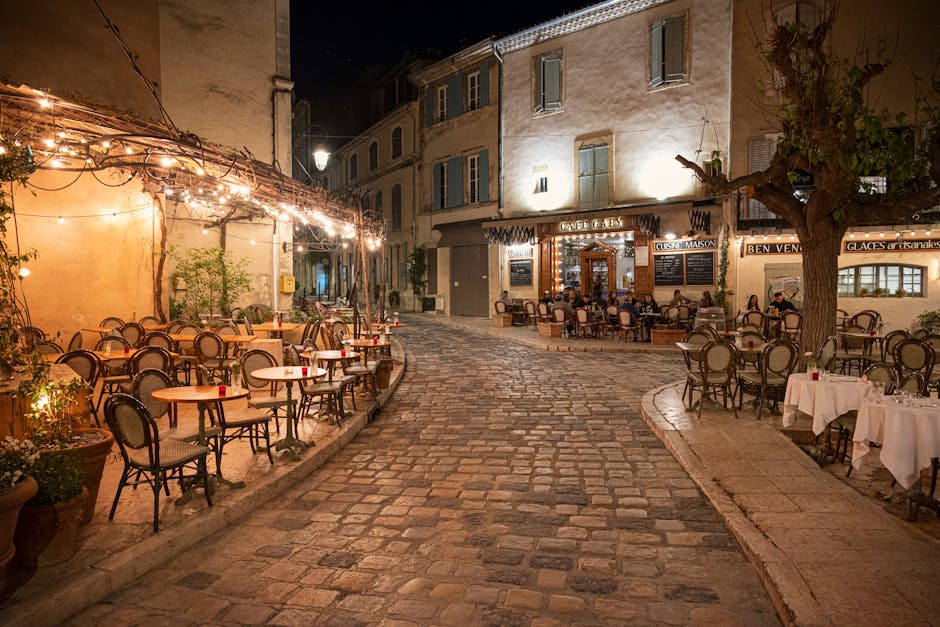
The market is also a social hub where genuine interactions happen. Talk to the producers: many speak basic English, but a few Italian phrases (buongiorno, grazie, quanto costa?) will go a long way. Peak days are Wednesday and Saturday mornings (weekly market); other days are calmer with a few tourist stalls and artisan shops around Piazza del Duomo and Via San Giovanni.
General hours: weekly market 08:00–13:00 (mainly Wednesdays and Saturdays). Gelateria Dondoli 11:00–23:00 (seasonal). Collegiata di Santa Maria Assunta (Duomo di San Gimignano) and Palazzo Comunale (also the entrance for Torre Grossa) typically have tourist hours around 10:00–18:00; entry to Torre Grossa is charged (indicative fee about €7–10 for access to the top with panoramic views over town and countryside).
Practical advice: wear comfortable shoes (uneven cobbles), bring a reusable water bottle (there are public drinking fountains in town), and protect yourself from the sun in summer. If you’re traveling with luggage, leave it in your hotel safe or use a left‑luggage service in town. For bulky purchases (oil, bottles), plan a delivery point: some producers offer shipping across Europe for an extra fee.
Above all, open your senses: in San Gimignano, every stall tells a story—of a flock of sheep, of a harvest, of slow cooking. Take time to taste, ask questions and note the producers’ names. Those encounters are what turn a stroll into a truly memorable experience.
Conclusion: Bringing a Bit of San Gimignano Home
Wrapping up a foodie walk at the San Gimignano market means taking home more than goods: you leave with flavors, contact details and human exchanges. By following a few simple rules (arrive early, bring a cooler for perishables, ask for vacuum packing, and check opening hours), you’ll maximize discoveries and minimize logistical hassles. To recap: budget flexibly (small buys €3–10, cheeses and cured meats €10–35/kg, oils €8–30 per bottle, Vernaccia €8–25 per bottle), bring reusable and insulated bags, and keep some cash for small vendors.
The town itself, with Piazza della Cisterna and Piazza del Duomo as focal points, provides an ideal setting to enjoy your purchases on the spot or organize a picnic. After the market, take time to climb Torre Grossa (Palazzo Comunale, Piazza del Duomo, 1, 53037 San Gimignano SI, Italy) for a panoramic view that will put your market finds into perspective: the olive‑ and vine‑dotted hills seem to be the very source of what you’ve just tasted. For a sweet break, stop by Gelateria Dondoli (Piazza della Cisterna, 4) and savor an award‑winning gelato while watching life in the square.
Finally, remember that each season brings a different market experience: spring and autumn for seasonal vegetables and herbs, summer for fruit and gelato, winter for jams, honeys and richer cured meats. Whatever time of year you visit, a foodie walk in San Gimignano will be a highlight of your Tuscan stay—a moment where cultural heritage and gastronomy come together for a complete, authentic and lasting experience.