




Introduction — A sensory plunge in San Gimignano
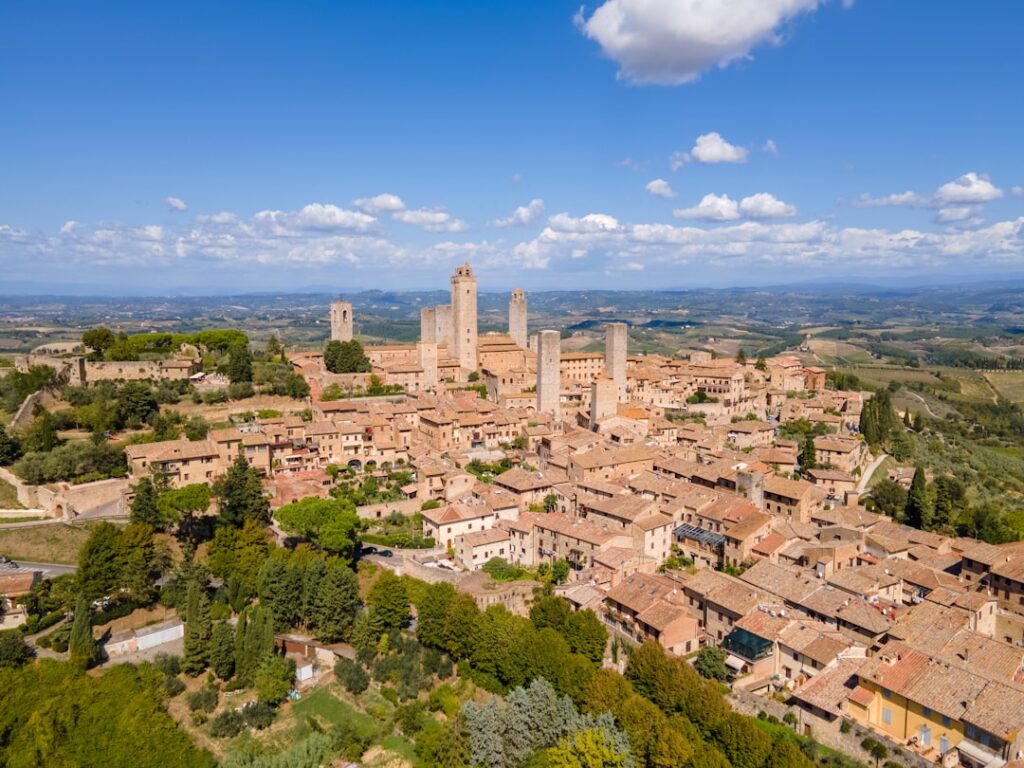
San Gimignano, perched on a Tuscan hill between Siena and Florence, is a medieval town defined by its soaring towers. From the moment you step into the old town, uneven cobbles, honey-colored stone facades and the smell of Tuscan cooking set the stage for an introduction to Vernaccia tasting — the town’s signature white wine. Vernaccia di San Gimignano has held DOCG status (Denominazione di Origine Controllata e Garantita) since 1993, a mark of deep-rooted winemaking tradition paired with contemporary craftsmanship. But tasting Vernaccia here is more than lifting a glass: it’s listening to the stories of winemaking families, feeling the breeze that comes off the Tuscan countryside, watching the hills dotted with vines and olive trees, and understanding how soil, climate and human hands work together to create a unique wine.
This primer is aimed at beginners: you’ll learn to spot typical aromas (ripe citrus, green apple, mandarin, sometimes mineral or bitter almond notes), to assess color and texture, to sense the ideal serving temperature and to pair Vernaccia with local dishes like ribollita, pappa al pomodoro, or Tuscan crostini. But this guide isn’t all theory: it points you to concrete spots in San Gimignano where you can book, taste and deepen your knowledge, with exact addresses, opening hours, indicative prices and practical tips to get the most from every glass. Whether you have an afternoon or a whole weekend, the suggestions here will help you turn a simple tasting into a cultural, sensory and culinary immersion.
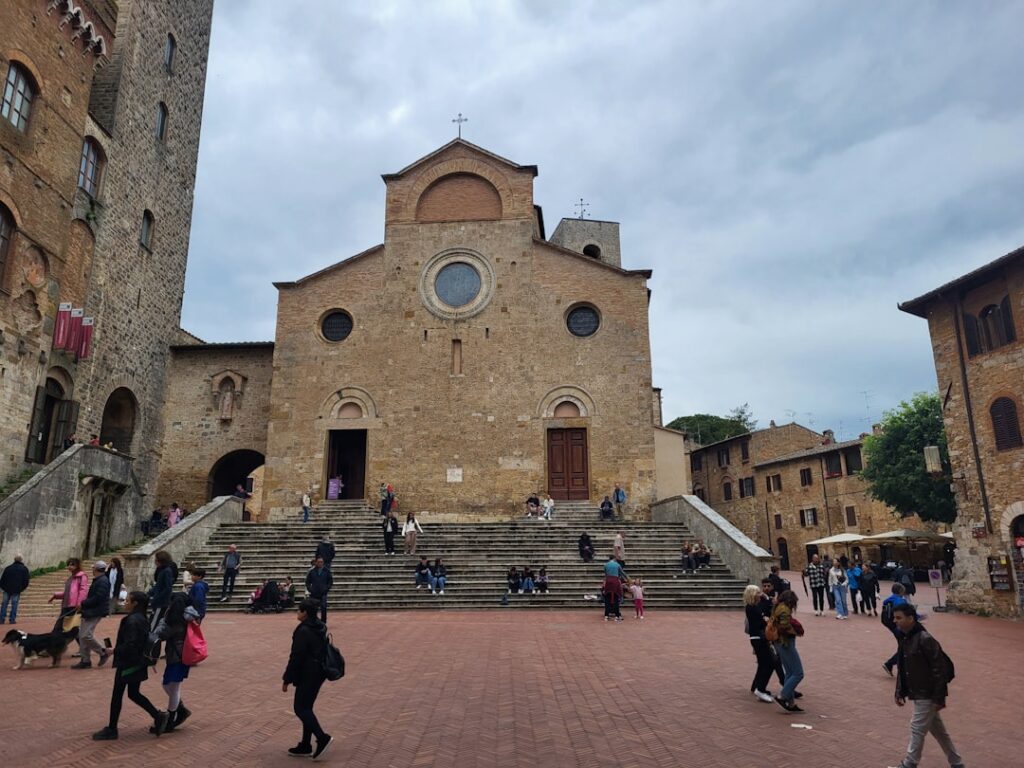
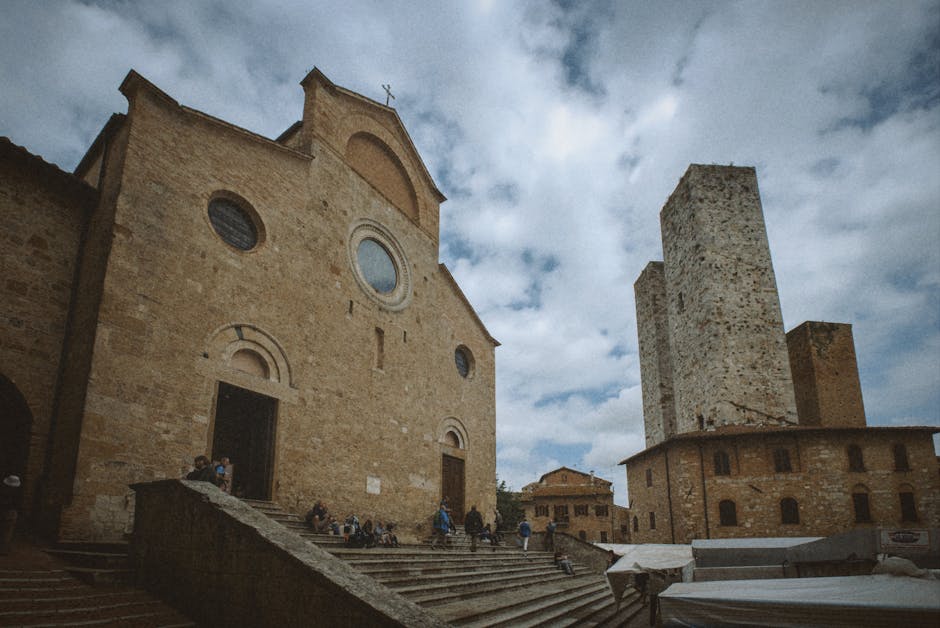
Backdrop landmarks such as the Piazza della Cisterna, the Collegiata di Santa Maria Assunta (the Duomo) and the Torre Grossa create an unforgettable setting to follow an oenological route. We’ll also list cellars and enotecas in the town center, with exact addresses, typical prices in euros and opening hours so you can plan your visits stress-free. Finally, practical local tips — from booking to responsible driving — will help you have an authentic, respectful experience of the region. Grab your notebook, sharpen your nose, and let’s go for a Vernaccia introduction that combines historical know-how with immediate pleasure.
Understanding Vernaccia di San Gimignano: terroir, grape and aroma profile
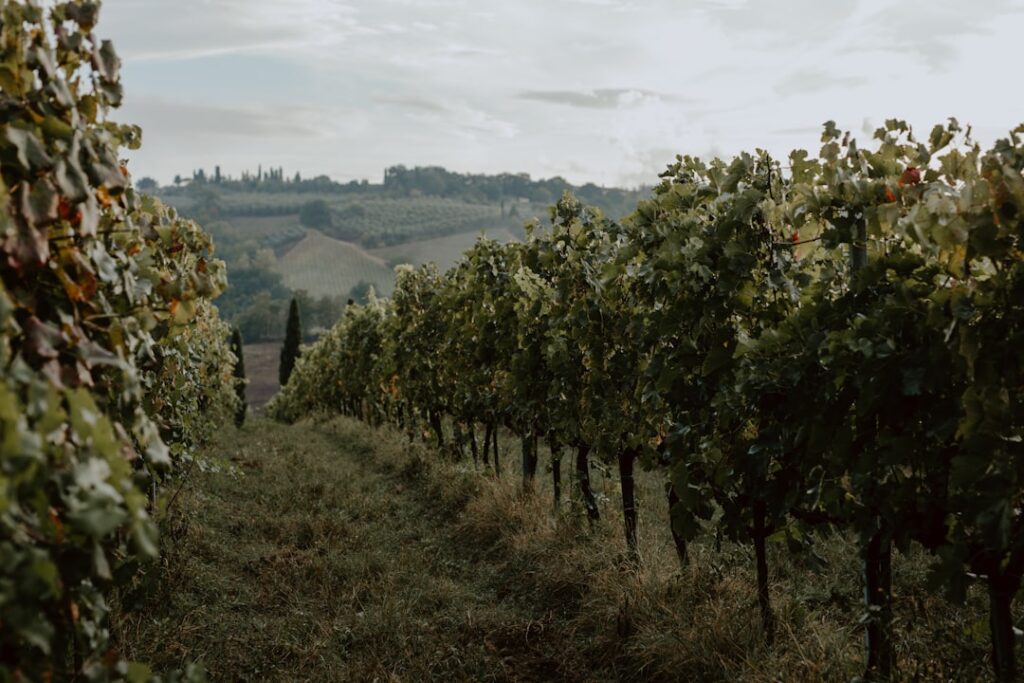
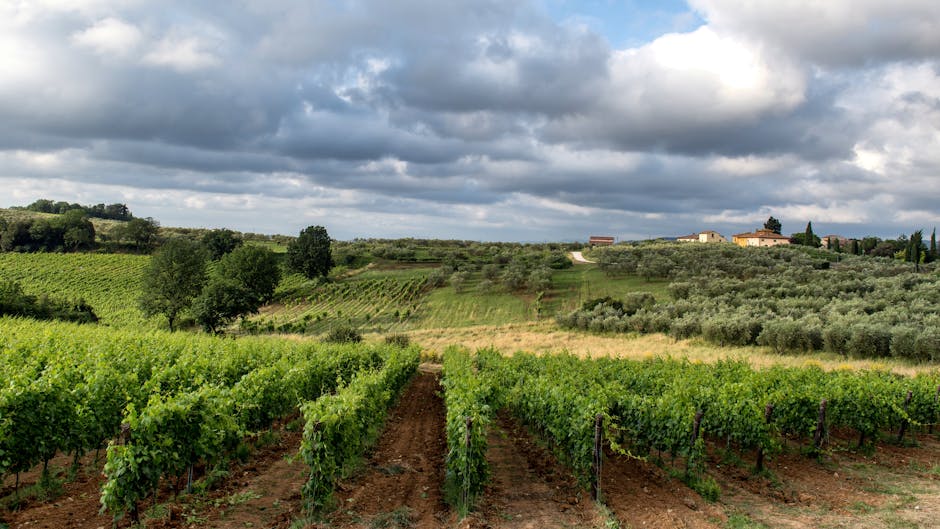
Vernaccia di San Gimignano is a white wine made from a native grape called Vernaccia. The surrounding terroir is characterized by varied soils — clay-limestone, white stones mixed with deeper strata — and a microclimate with notable day/night temperature swings that help concentrate aromas. The result is often a dry wine with fresh acidity, showing white fruit aromas (apple, pear), citrus (lemon, grapefruit) and a noticeable minerality; depending on the producer and age, you might also detect almond notes, light honey or a faint bitter finish.
Technically, Vernaccia is sometimes vinified in stainless steel tanks to preserve freshness and aromatic purity, but some producers opt for lees aging or brief barrel time to add complexity and roundness. DOCG regulations set precise yield and quality criteria, ensuring a reassuring consistency for consumers: clear labeling (Vernaccia di San Gimignano DOCG) makes it easy to spot on wine lists and in shops.
For a beginner, it’s useful to taste in three steps: look (pale to straw-yellow color, viscosity cues), smell (primary aromas first, then secondary notes), and taste (entry, acidity, length, final bitterness). Note the serving temperature: young Vernaccia is best between 10 °C and 12 °C; richer or oak-aged versions can benefit from a slightly higher temperature. Finally, pair Vernaccia with local dishes: grilled fish, zucchini risotto, fresh sheep’s cheese, or Tuscan antipasti — the balance of acidity and the food’s saltiness will highlight the wine’s liveliness.
Where to taste in San Gimignano: cellars, enotecas and recommended spots
San Gimignano offers several tasting points suitable for beginners and enthusiasts alike. Here are practical, concrete addresses with locations, hours and indicative prices to structure your wine day.
Tenuta Torciano — Wine & Cooking School
Address: Località Torciano, 53037 San Gimignano SI, Italy. Tenuta Torciano is a well-developed winery for visitors: guided tastings, vineyard tours and cooking classes. Opening hours: open daily from 9:00 to 18:00 (except announced seasonal closures), tastings by reservation. Prices: standard tasting from €18 per person; tours + tasting from €35; cooking classes €60–€95 depending on the formula. Description: you’ll be welcomed in a rustic room and then taken to the vines; tastings are educational, with explanations about the Vernaccia grape, winemaking and simple pairings. Practical tip: book ahead via their website or phone, and allow about 1h30 for the visit + tasting.
Enoteca di San Gimignano — central wine shop and tasting
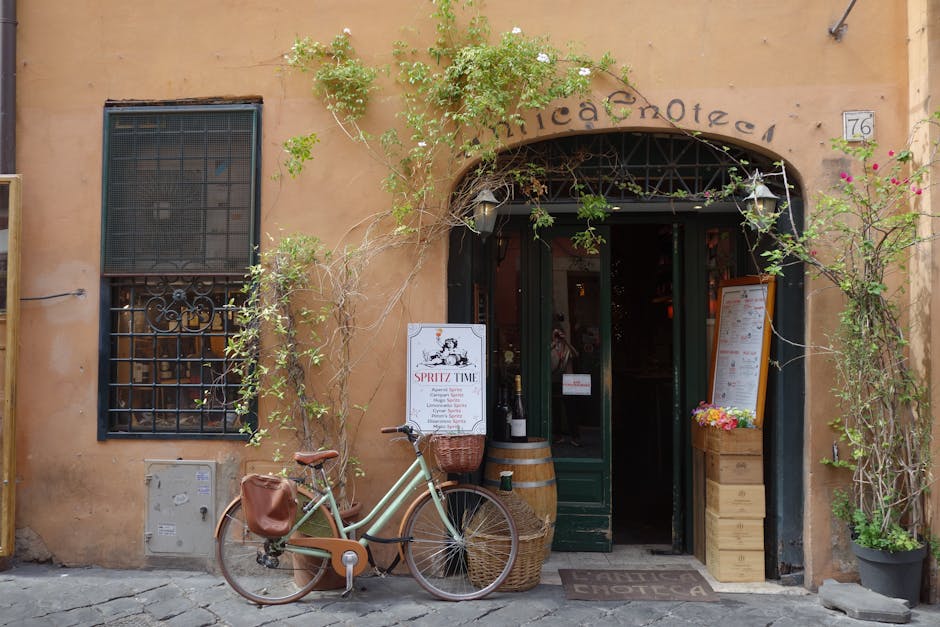
Address: Via San Matteo 2, 53037 San Gimignano SI, Italy (in the historic center near Piazza della Cisterna). Hours: usually open 10:00–19:00 in high season; reduced hours in low season. Prices: enoteca tastings often range €6–€15 per glass depending on the cuvée; a 3-wine flight €12–€25. Description: a small specialty shop ideal for a quick, informative tasting: samples of Vernaccia from different producers and the option to buy bottles to take away. Practical tip: ask for local cheese pairings (pecorino) to test different styles.
Ristorante La Mandragola — a gastronomic tasting
Address: Via San Matteo 66, 53037 San Gimignano SI, Italy. Hours: lunch 12:30–14:30, dinner 19:30–22:00; closed some days off season (check before you go). Prices: a glass of Vernaccia in a restaurant €6–€10, bottles typically €20–€45. Description: La Mandragola offers a rich local wine list and updated traditional Tuscan dishes — a good place to learn high-end pairings. Practical tip: order a Tuscan appetizer (crostone, bruschetta) to test how food and wine interact.
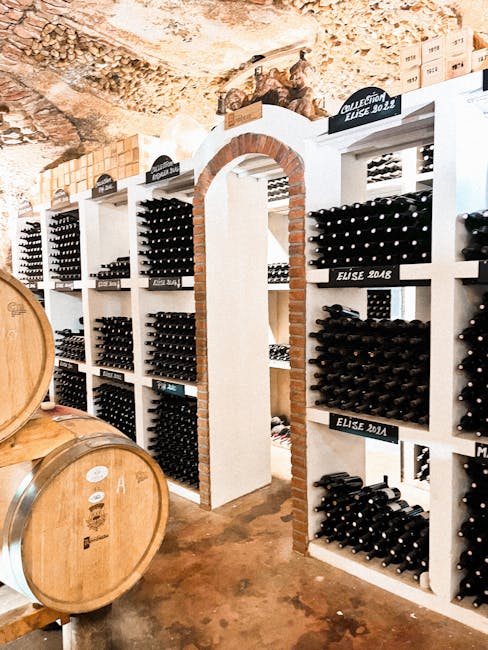
These spots are just a starting point: many small cellars and agriturismi nearby offer personalized tastings. Always call or book by email, as the best experiences are often by appointment. Ask to taste a young Vernaccia and, if available, an older or riserva version to understand how the aromas evolve.
Cultural visits to pair with tasting — monuments and viewpoints
Combining wine with cultural visits enriches the experience. In San Gimignano, several historic sites are perfect for a contemplative tasting break or a historical intro before a cellar visit.
Piazza della Cisterna
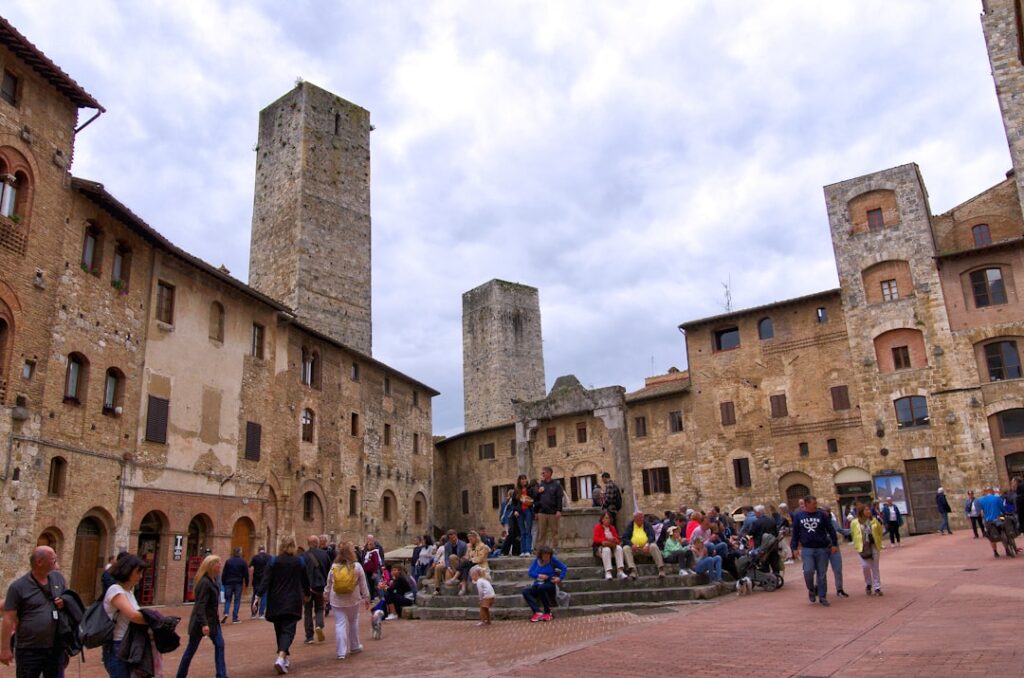
Address: Piazza della Cisterna, 53037 San Gimignano SI, Italy. The octagonal square, lined with medieval houses and small shops, is the living heart of the town. Access: open 24/7 (shops have their own hours). Description: it’s an excellent place to start a tasting day — enjoy a coffee or snack while watching the passersby before heading to a nearby enoteca. Practical tip: avoid midday in high season if you’re after a quieter atmosphere.
Collegiata di Santa Maria Assunta (Duomo)
Address: Piazza del Duomo, 53037 San Gimignano SI, Italy. Hours: generally open 10:00–17:30; days and hours vary by season. Price: entry varies, often combined with local museums (€4–€8). Description: the interior frescos tell the religious and social history of the area. Practical tip: visit early in the morning to avoid crowds and keep a clear head before tasting.
Torre Grossa and Rocca di Montestaffoli — panoramic views
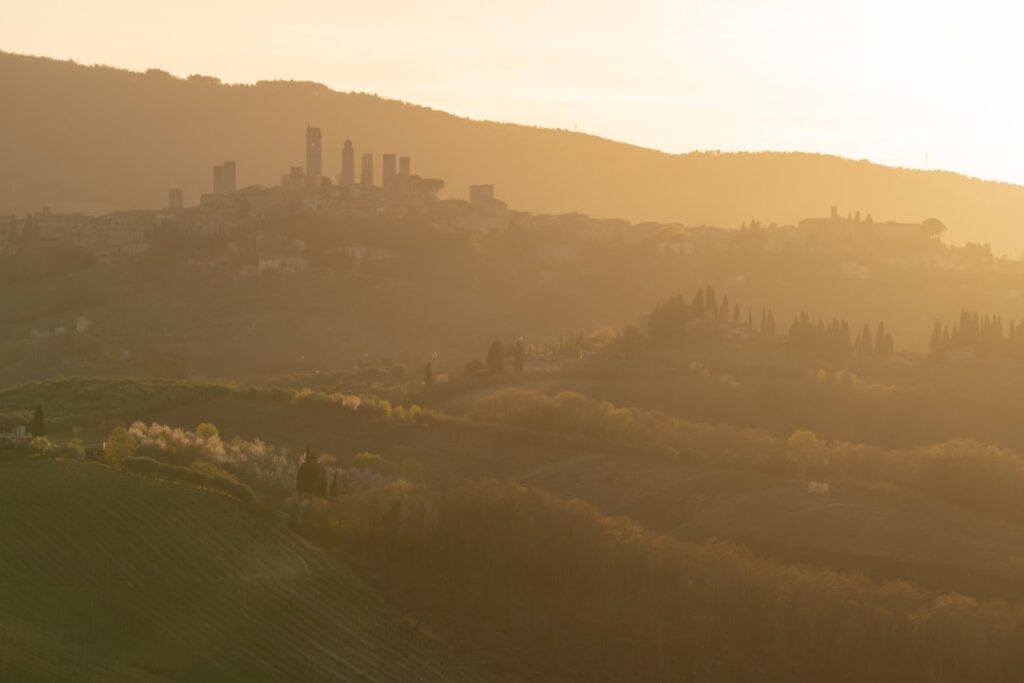
Torre Grossa address: Piazza del Duomo, 53037 San Gimignano SI, Italy. Torre Grossa hours: 10:00–18:00 in season; climb ticket around €8 (check current rates). Rocca di Montestaffoli (Rocca) address: Via della Rocca, 53037 San Gimignano SI, Italy. Description: the panoramas from these high points let you appreciate the layout of the surrounding vineyards — essential context for understanding Vernaccia. Practical tip: bring a sealed bottle to open later on a bench with a view, or plan a picnic in the public gardens.
Local practical tips for beginners — transport, booking, budget and etiquette
A few practical recommendations before you go will greatly improve your Vernaccia tasting experience.
- Transport: San Gimignano is easy to explore on foot. If you plan to visit surrounding tenute (estates), rent a car (public parking on the outskirts: Parcheggio Cimitero, Via San Matteo), or book a tour with a driver. Driving after tasting is not recommended; check transfer or taxi options.
- Booking: for cellars like Tenuta Torciano and private tastings, book at least 48 hours in advance during high season (June–September). For central enotecas, walk-ins are usually possible but busy times may limit tasting time.
- Budget: plan €18–€40 per person for a complete tasting experience (visit + 3–4 wines), and €25–€60 for a tasting paired with a meal or a cooking class.
- Etiquette: during tastings, take your time to smell and share your impressions. Winemakers appreciate questions about vinification and terroir. Avoid smelling wine after strongly seasoning your palate (coffee, mint) and always ask if you can take notes.
- Buying and transporting bottles: if you buy several bottles, ask for special packaging or shipping; some enotecas offer international shipping. Check shop prices vs cellar prices to avoid surprises.
Conclusion — From curiosity to confidence: your first boundaries crossed
An introduction to Vernaccia tasting in San Gimignano blends heritage, landscape and winemaking know-how. For a beginner, the ideal experience starts with understanding the grape and terroir, continues with structured visits (enoteca, cellar, estate) and is punctuated by contemplative moments in front of the town’s iconic views. Every glass of Vernaccia tells a story: of clay-limestone soils, changing seasons, winemaking choices and the families who keep the tradition alive. In a few well-ordered tasting hours — look, smell, actively taste and pair with food — you’ll gain reliable reference points to tell a young Vernaccia from a riserva, or a mineral cuvée from a rounder one.
Practically speaking, preparation is key: book tastings, set an appropriate budget (between €18 and €60 for a full experience), organize transport to avoid driving after tasting, and keep a tasting notebook. The local heritage (Piazza della Cisterna, Collegiata di Santa Maria Assunta, Torre Grossa) enriches the tasting by providing visual and historical context that helps cement your impressions and encounters. Finally, don’t forget the right attitude: curiosity, respect for winemakers and conviviality. Ask questions, taste small amounts to compare, and above all, enjoy the link between terroir, landscape and glass.
With these keys, your visit to San Gimignano will be more than touristy: it will be educational. Vernaccia, with its freshness and character, is an excellent wine for learning to taste: it quickly reveals its traits and trains your nose and palate on distinct aromatic profiles. Come back, taste more, and let Vernaccia become a touchstone in your wine journey. Salute — and enjoy your sensory voyage in San Gimignano!