Introduction
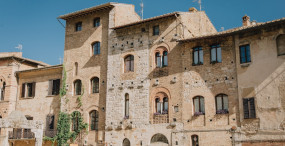
San Gimignano, perched on towers and rolling hills, is one of Tuscany’s most evocative medieval towns. If you want to admire its famous skyline and do it responsibly, this itinerary gives you a practical, immersive guide for an eco‑friendly visit. From towers that tell stories of medieval family rivalries to cellars sheltering Vernaccia di San Gimignano, every corner of the village can be experienced with attention to the environment, cultural heritage and the local community.
Sustainability here isn’t just a label: it’s about transport choices, following local rules, mindful consumption and decisions that support the local economy. Walking the cobbled streets, climbing the walls, enjoying zero‑km products and using charging points or eco‑friendly services are concrete actions that cut your visit’s impact. In this article you’ll find detailed routes, opening times, full addresses, indicative up‑to‑date prices, practical tips and photo ideas to experience San Gimignano with an attentive eye.
This text is aimed at the responsible traveler: it offers transport alternatives (train + bus, electric shuttles, scenic walks), suggests low‑impact activities (tastings at certified wineries, guided walking tours, using public drinking fountains to refill your bottle) and points out places to stay sustainably. You’ll also find practical advice like the best times to avoid crowds, how to book tickets online to skip queues and ways to support local businesses (osterias, artisan shops, farm producers).
This guide isn’t a dry list of attractions: it’s a sensory relationship with the town, designed for those who want to experience San Gimignano while respecting its fragile beauty. Every place mentioned includes the exact address, typical opening hours and indicative prices in euros, plus an evocative description to help you plan a day — or more — that honors the environment and the community. Fill your bottle, wear comfortable shoes and discover how to turn a tourist visit into a sustainable and memorable experience in San Gimignano.
Getting around sustainably and key practical info: how to arrive and move around
Arriving in San Gimignano using low‑carbon options is already an eco gesture. Most visitors take the train to Poggibonsi or Certaldo, then continue by regional bus. The most convenient station is the Stazione di Poggibonsi-S. Gimignano (Via Stazione, 2, 53036 Poggibonsi SI, Italy) — from Florence Santa Maria Novella the trip takes roughly 45 minutes to 1 hour. From there, take the Tiemme bus (local lines 130/131) to the stop “San Gimignano (Porta San Giovanni)”, located at the southern entrance to the village.
For an even more sustainable and scenic option, check seasonal electric shuttle services or urban electric buses (depending on availability): these shuttles link the large outer parking areas with the historic center, limiting traffic in the heart of the town. If you prefer a slower pace, walking from the outskirts offers splendid views over the Val d’Elsa and lets you savor the arrival on foot, reducing motorized transport use.
Once inside the walls, soft mobility is strongly recommended: everything is walkable. The narrow cobbled lanes aren’t suitable for cars; folding bikes can be useful for those staying outside, but watch out for the steep slopes. Official parking lots are located near Porta San Giovanni (Via delle Mura, 53037 San Gimignano SI, Italy) and Porta San Matteo (Via San Matteo, 53037 San Gimignano SI, Italy). Parking in municipal lots reduces congestion and helps fund local services.
Indicative prices: Poggibonsi – San Gimignano bus trip around €1.50 – €2.80 per person depending on distance and ticket type; electric shuttle in town (if available) roughly €2 – €5. Timetables: trains to Poggibonsi run frequently from Florence between 06:00 and 22:00; local buses typically operate from 06:00 to 20:30 on a standard schedule, with reduced frequency on Sundays. Check up‑to‑date schedules on the official Trenitalia and Tiemme websites.
 Click here to book a self‑guided electric bike tour of San Gimignano

Piazza del Duomo, Collegiata di Santa Maria Assunta and Torre Grossa: historic heart and heritage responsibility
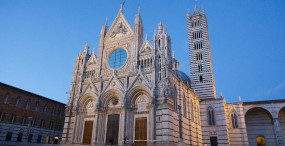
The most iconic area of the town is gathered around Piazza del Duomo (Piazza del Duomo, 53037 San Gimignano SI, Italy), home to the duomo complex, the Civic Museum and the mighty Torre Grossa. Here you feel the sustainability challenge: preserving historic heritage versus tourist flow. To respect these places, enter churches with appropriate clothing, avoid using flash on artworks and follow staff instructions—simple but crucial gestures.
The Collegiata di Santa Maria Assunta (Duomo di San Gimignano) (Piazza del Duomo, 1, 53037 San Gimignano SI, Italy) is famous for its medieval frescoes decorating the nave: biblical stories and Sienese school cycles that deserve slow, attentive viewing. Typical hours: 10:00 – 17:30 (seasonal variations). Indicative entrance fee: €5 – €7. Visits require respect for quiet and minimal impact: do not eat or drink inside and use digital information materials when available to avoid paper brochures.
Nearby is the Museo Civico e Palazzo Comunale (Piazza del Duomo, 1, 53037 San Gimignano SI, Italy), housing art collections and historic rooms. Typical hours: 09:30 – 19:00; combined ticket Torre Grossa + Civic Museum: about €10 – €12. Torre Grossa, the tallest tower open to the public (Torre Grossa, Piazza del Duomo, 1), offers a spectacular panoramic view of the Tuscan countryside: climbing it means respecting capacity limits; booking online is a great way to avoid lines and manage visitor flow.
Practical tips: visit early in the morning to enjoy morning light and fewer crowds; wear comfortable shoes for the steep stairs to the tower, and bring a light jacket—the top can be windy. If possible, opt for digital audio guides or walking tours led by authorized local guides who reinvest proceeds into the town’s cultural activities.
Click here to book a private walking tour of San Gimignano

Piazza della Cisterna, medieval streets and local markets: sensory immersion & responsible consumption
The Piazza della Cisterna (Piazza della Cisterna, 53037 San Gimignano SI, Italy) is the most picturesque triangular square: diamond‑pattern pavement, a central well and tower‑houses that frame the sky. It’s the perfect spot to pause, watch village life and taste local products. Strolling unhurriedly, choosing artisan shops and farmers’ stalls is a direct way to support the local economy and reduce the environmental impact of consumption.
Along the lanes branching from the square you’ll find historic workshops selling local ceramics, gastronomic specialties and textiles. Look for small producers: cheeses, cured meats, honey and extra virgin olive oil from surrounding hills. When you buy, prefer minimal packaging and bring a reusable bag: many shops offer small but meaningful discounts to customers who avoid single‑use bags.
A recommended sensory experience is visiting the local market (when held): stalls with seasonal fruit and vegetables, aromatic herbs and typical products. Prices vary: a bottle of local extra virgin olive oil can cost between €10 and €25 depending on quality; artisanal cheeses around €8 – €20/kg. Market hours: often in the morning, between 08:00 and 13:00, but check weekly or seasonal schedules.
Practical tips: avoid unnecessary packaging, carry cash for small shops (many accept cards but not all), and choose products that clearly indicate the local producer. This not only lowers transport impact but also keeps alive the tastes and knowledge of the Sienese tradition.
Click here to book an olive mill visit and tasting
Sustainable tastings: Vernaccia di San Gimignano, wineries and organic farming
Vernaccia di San Gimignano is the region’s signature white wine: tasting it responsibly is a chance to understand the link between landscape, farmers’ hands and sustainable practices. Avoid mass tastings; opt for wineries that communicate organic or biodynamic practices and that limit waste. Some wine estates in the area offer guided visits by appointment, with small‑group tastings in well‑ventilated spaces.
A recommended stop is Fattoria La Vialla (Località La Vialla, 53037 Castiglion Fibocchi AR) which, while not inside the town, is known for organic production and sustainable agricultural practices. For experiences closer by, several wineries on the hills around San Gimignano offer tastings: check addresses and contacts directly on their official websites. Prices for a guided tasting: generally €10 – €25 per person for 3–4 wines; winery visits can range from €15 – €40.
If you choose a tasting in town, favor wine bars that work with local producers and minimize refills: some places offer reusable glasses and refill stations into reusable bottles. Wine bar hours: often 11:00 – 20:00, with extended hours in high season. Remember that responsible tasting means not driving afterwards: plan your return by local taxi, shuttle or — even better — by staying overnight.
Practical tips: bring a list of producers you want to visit, book in advance for small groups, and consider buying bottles directly from the estate to support the winemakers. Ask about agronomic practices (organic, integrated, biodynamic) and prefer those using techniques for biodiversity and water saving.
Click here to book a tasting at an organic farmhouse winery
Green spaces, panoramas and responsible outdoor activities
To breathe fresh air, the Parco della Rocca di Montestaffoli (Via della Rocca, 53037 San Gimignano SI, Italy) offers panoramic paths and shaded areas. From the park you get uninterrupted views over the hills and the cypresses typical of Tuscany: it’s an ideal place for restorative breaks and sunset photos. Hours: freely accessible from 07:00 until dusk; free entry.
Another important area is the walk along the outer walls: low‑impact strolls that let you observe the architecture from the outside while easing pressure on the most fragile corners of the center. For more active options, there are trekking and gravel‑bike routes nearby: renting an e‑bike from certified operators reduces effort on the climbs and keeps routes accessible without damaging trails.
Picnicking is allowed in some green areas: always bring bags for your trash, use reusable tableware and never pick or damage wild plants. Follow the rules for public spaces and check for drinking fountains to refill water (a vital way to cut single‑use plastic bottles). Avoid lighting fires outdoors: the risk of wildfires in the Tuscan countryside is real, especially in hot months.
Practical tips: bring sunscreen and a hat for long exposures, lightweight hiking shoes and a reusable water bottle — many municipal fountains allow free refills. Respect marked trails and check rules with private landowners when crossing agricultural land. Morning walks offer milder temperatures and better photographic opportunities.
Click here to book a tour and picnic in an olive grove

Where to sleep and eat with an eco‑conscious approach: accommodations, restaurants and local tips
Accommodation options range from organic farm stays to small boutique hotels in the historic center. Choose places that declare sustainable practices: waste management, locally sourced breakfast products, solar panels and participation in land protection projects. Many farm stays in the surrounding hills practice organic agriculture and offer low‑impact transfers.
Typical responsible choices include small farm stays where breakfast is zero‑km and heating is managed with energy‑saving systems. Prices: a double room in a sustainable agriturismo can range between €70 and €150 per night in low season, while a boutique hotel in the center can start from €120 and up. For budget and more community‑oriented options, hostels and B&Bs outside the walls often offer lower rates and direct contact with local producers.
For meals, favor osterias that promote seasonal menus and local products. A lunch in a local trattoria with typical starters and a plate of pici or a serving of local cheeses generally costs €12 – €20. Look for restaurants that list local suppliers on the menu and limit single‑use plastic.
Practical tips: book restaurants in advance during high season; look for terms like “local products / zero‑km / organic” on the menu; avoid standardized tourist menus in favor of authenticity. Ask for smaller portions to avoid waste and bring a reusable container if you have leftovers — many places accept a sustainable doggy bag.
Click here to book a Tuscan cooking class and vineyard visit

Local practical tips and concrete actions for an eco‑responsible visit
– Always refill your water bottle: the Municipality of San Gimignano provides public fountains where you can drink free drinking water. Check their locations at the tourist information point on arrival.
– Avoid flash photography on artworks and respect sacred spaces: especially in the Collegiata di Santa Maria Assunta and museums, where lighting is calibrated for conservation.
– Book guided visits and tickets for Torre Grossa and the Civic Museum online to reduce waiting times and tourist congestion. Indicative combined price: €10 – €12.
– Support the local economy: buy from artisan shops, take part in local activities (ceramics workshops, tastings in small wineries) and prefer guides and services run by residents.
– Manage your waste: use the separate recycling bins available in town; do not leave rubbish in green areas or along trails.
– If possible, limit car use and favor shared transfers or shuttles; park in authorized spaces and do not enter the center’s ZTL (restricted traffic zones).
– Respect the peace: the narrow streets and squares are living spaces for residents; avoid loud behaviour that can disturb the community.
Click here to book a half‑day San Gimignano tour from Florence
Conclusion
San Gimignano is a place where historic beauty meets contemporary responsibility: choosing a sustainable itinerary means prioritizing care for the land, conserving heritage and respecting the people who live there. From how you travel to which local producers you choose, every decision helps reduce tourist impact and supports a circular economy that values tradition and quality.
Strolling through its squares — from the solemn Piazza del Duomo (Piazza del Duomo, 53037 San Gimignano SI, Italy) to the intimate Piazza della Cisterna (Piazza della Cisterna, 53037 San Gimignano SI, Italy) — also means understanding that protecting the site comes down to everyday actions: don’t leave litter, respect opening hours and choose services that reinvest in the territory. Climbing the Torre Grossa (Piazza del Duomo, 1, 53037 San Gimignano SI, Italy) is an experience worth having, but it should be done with awareness of the fragility of the historic context.
Organizing a sustainable visit takes planning: check current hours and prices (Civic Museum + Torre Grossa tickets ~ €10–€12), book tastings at certified wineries and prefer accommodation that adopts ecological measures. Small gestures — like bringing a reusable bottle, shopping in neighborhood stores and walking instead of driving — turn a simple holiday into an ethical, authentic experience.
Finally, keep the memory of your trip not only through photos, but also by supporting local projects, sharing useful information and returning in less crowded periods to help redistribute tourist flows. San Gimignano, with its breathtaking views and millennia of history, can remain intact only if each visitor plays their part. Travel with respect, observe with care and let yourself be inspired by the dialogue between people and landscape: that is the true essence of a sustainable itinerary.