



Introduction — Why San Gimignano is an Unmissable Playground for Photographers
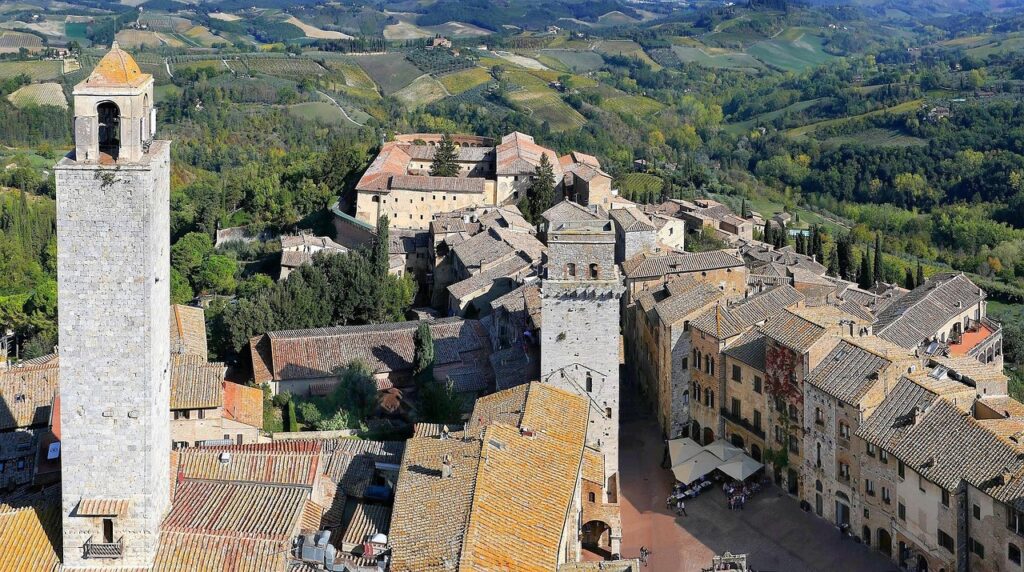
San Gimignano, sometimes nicknamed the “Medieval Manhattan,” is a small hilltop town in Tuscany famous for its medieval towers puncturing the rolling horizon of cypress-dotted hills. Every stone, lane and vantage from the ramparts tells a visual story — a perfect mix of architectural silhouettes and rural landscapes. For photographers, whether amateur or pro, San Gimignano packs in painterly elements: warm ochre façades, stone arches, intimate squares, converging perspectives and, above all, unique skyline shots that change with the light throughout the day.
This guide lays out a one-day photo itinerary around San Gimignano’s towers, with specific places, addresses, opening times and prices, plus practical tips to get the most from your images. The aim isn’t just to list spots but to sequence them logically to follow light and patterns: quiet morning moods in the alleys, graphic compositions at noon, and spectacular sunsets from the overlooks. You’ll also find cultural and logistical info: how to buy tickets, where you can set up a tripod, which focal lengths to favor, and how to avoid the crowds at peak times.
Keep in mind San Gimignano is a protected and heavily visited site — especially from June to September. We’ll suggest alternatives to shoot people-free images (for example, prioritizing sunrises or framing towards the hills). This guide also includes seven to twelve visual cues to help you anticipate the pictures you can take, with concrete, usable composition suggestions.
Pack your bag: a 24–70mm for versatility, a 70–200mm to isolate details of towers and tiles, a 16–35mm wide-angle if you want to exaggerate alley perspective, a lightweight tripod for low light and a polarizer to saturate the Tuscan sky. Now, let’s follow a route designed for light and photographic storytelling — from dawn to night — around the towers of San Gimignano.
 Click here to book a private guide for San Gimignano

Morning Gold: Sunrise and First Framing in the Countryside
Start before dawn to capture San Gimignano in soft light and with very few people around. The first recommended spot is the Strada provinciale SP1 just before the town’s east entrance, offering a panoramic view of the towers. Ideal starting address: Parcheggio Porta San Giovanni, Via San Giovanni, 53037 San Gimignano SI, Italy. The parking usually opens early and costs around €2–€3/hour (indicative 2024 rate). From there, walk about 10 minutes to a natural overlook that delivers the classic composition: towers silhouetted against a rosy sky with vineyards in the foreground.

Photo tips: use a low ISO (100–200) and an aperture between f/8 and f/11 for maximum sharpness across the scene. If the sky is very bright, consider bracketing for HDR (3 exposures) to retain shadow detail and sky highlights. A 70–200mm tele will let you isolate the cluster of towers that form the skyline, while a 16–35mm wide-angle will emphasize the vineyards and olive trees in the foreground for a more narrative composition.
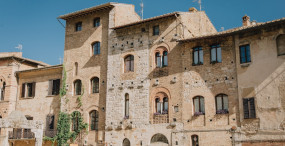
After the golden light, head down to Piazza della Cisterna, 53037 San Gimignano SI, one of the most photographed squares, with its medieval well and triangular house façades framing the scene. At this hour the piazza is often empty, allowing you to compose without people and capture the textures of the cobbles and walls.
Historical Morning: Towers, Museums and Architectural Details
Spend the morning exploring the landmarks of the historic center: Torre Grossa and the Palazzo Comunale (Museo Civico e Pinacoteca) located at Piazza del Duomo, 1, 53037 San Gimignano SI, Italy. Tickets for the Torre Grossa climb and the Museo Civico are available at the ticket office or online; indicative 2024 price: Torre Grossa + Museo Civico ticket €9.00. Typical opening hours: 10:00–19:00 (April–October) with shorter hours in low season (check the official site before visiting).
The Torre Grossa (54 meters tall) offers 360° views: your shots can include close architectural studies of neighboring towers as well as distant Tuscan hills. While climbing, look for arches, worn stones and openings that create excellent texture-focused close-ups. The Pinacoteca inside the Palazzo Comunale houses historical pieces and frescoes; indoor photography may be limited by lighting and conservation rules, but the frames and architectural turns reward prime-lens compositions (35mm or 50mm).
Nearby is the Collegiata di Santa Maria Assunta (Duomo di San Gimignano), located at Piazza del Duomo, 53037 San Gimignano SI, Italy. Entry: indicative price Collegiata entrance €6.00 (2024). Hours: usually 10:00–17:00; the collegiate church is famous for its interior frescoes (including biblical scenes) and requires respectful treatment (no flash). For photographing the frescoes, use a stabilized lens and raise ISO if the interior is dim.
Click here to discover San Gimignano on a private tour

Practical tips: buy your tower ticket early if you want to avoid queues. The staircases are narrow; avoid large bags. If you’re photographing inside the Duomo, respect silence and the no-flash rule — tripods are generally not allowed, so increase ISO and use exposure compensation carefully to preserve fresco colors.
Noon and Afternoon: Alleys, Squares and Street Portraits
Lunchtime is perfect for capturing scenes of Italian daily life: cafés, terraces and handwritten chalkboard menus. Head to Via San Matteo and Via Costarella for narrow lanes with strong leading lines, interesting backlight and textured walls ideal for minimalist compositions. For lunch, two handy spots: Trattoria Chiribiri (Via San Giovanni, 5, 53037 San Gimignano) and Ristorante La Mandragola (Via San Matteo, 10, 53037 San Gimignano). Meal budget: about €15–€30 per person depending on dishes and drinks.
Click here to learn how to make pasta with a local

After lunch, dive into street photography: spontaneous portraits, artisan shop windows and culinary details. Don’t miss Gelateria Dondoli in Piazza della Cisterna, 4, 53037 San Gimignano, famed for its gourmet gelato (average price for a scoop: €3–€5). Colorful gelato makes an excellent subject for culinary and lifestyle shots.
Technique and ethics: for street portraits, always ask permission when possible; a smile and a polite gesture usually do the trick. Use a 35mm or 50mm prime for natural-looking portraits. If you want more documentary-style images, look for characters with distinctive looks — artisans, souvenir sellers — who embody the town’s spirit. West-facing alleys give interesting backlight in the afternoon, especially with the ochre walls warmed by sun.
Late Afternoon and Sunset: Overlooks and Silhouette Compositions
For the end of the day, head to the Rocca di Montestaffoli (official address: Piazza del Duomo / Via della Rocca, 53037 San Gimignano SI, Italy), a hilltop park/fortress offering panoramic views of the towers and surrounding countryside. Access to the park is free; opening times vary but often run until sunset. It’s the perfect spot to capture the sun setting behind the “medieval Manhattan.” Warm colors wrap the towers and create striking silhouettes.
Another recommended sunset spot is a viewpoint along Via di Castello, on the west side. Here you can compose using foreground elements — cypress trees, stone walls, vineyards — to frame the skyline. With a telephoto, tighten the frame to isolate one or two towers in silhouette against a blazing sky.

Technical tips: for silhouettes, meter for the sky (slightly underexpose the foreground), use an aperture around f/8–f/11 and choose a shutter speed that avoids motion blur if handholding. When light is low, switch to RAW to preserve color gradations and allow fine adjustments in post.
Night and Nightscapes: Lights, Façades and Atmosphere
When night falls, San Gimignano turns into an intimate stage. Street lighting creates pools of warm light on ochre façades and around the towers. The best night shots are from Piazza del Duomo and Piazza della Cisterna, but walk along the ramparts for less conventional and more open angles.

Technique: bring a tripod — essential for long exposures and low ISO (100–400). Set white balance to preserve the warm lamp glow (3200–4000K depending on the look you want). Long exposures (5–20 s) will give you clean, empty streets, especially after shops close (around 22:00 off-season, later in summer). For creative effects, capture car light trails on access roads or use multiple exposures to include moving elements.
Precautions: respect monument opening hours and private areas. Some places may ask you not to set up tripods on very busy cobbles — be discreet and considerate of other visitors.
Practical Info: Access, Transport, Gear and Local Rules
Access and parking:
- Parcheggio Porta San Giovanni, Via San Giovanni, 53037 San Gimignano SI — main parking near the east gate (rates: around €2–€3/hour, depending on season).
- Parcheggio Piazza Gramsci, near the city center — useful for direct access to the ramparts (check posted rates).
- If you travel by bus: SITA/CTT lines connect Florence (Firenze) and Siena to San Gimignano from major stations; the nearest train station is Poggibonsi/San Gimignano (local bus connections available).
Hours and tickets (indicative 2024):
- Torre Grossa / Palazzo Comunale (Museo Civico e Pinacoteca) — Piazza del Duomo, 1, 53037 San Gimignano SI. Hours: 10:00–19:00 in season; combined ticket: €9.00.
- Collegiata di Santa Maria Assunta (Duomo) — Piazza del Duomo, 53037 San Gimignano SI. Hours: 10:00–17:00; fee: €6.00.
- Rocca di Montestaffoli — free access from the town; opening times vary by season (often open until sunset).
Recommended gear:
- Lenses: 16–35mm (wide), 24–70mm (versatile), 70–200mm (tele for details).
- Light tripod and a comfortable camera bag.
- Filters: ND for long exposures, polarizer for skies and reflections.
- Extra batteries and memory cards — charging points are limited on site.
Local rules and photography etiquette:
- Respect visiting hours and « no photography » signs (especially inside the Duomo for fragile artworks).
- Ask permission before taking close-up portraits of people.
- Avoid blocking walkways or leaving gear unattended in very touristy spots.
Hour-by-Hour Itinerary for a Day of Photography
Here’s a practical route to optimize light and subjects:
- 05:30–07:30: SP1 overlook / Parcheggio Porta San Giovanni — sunrise and skyline shots.
- 08:00–10:00: Piazza della Cisterna and nearby alleys — cobble compositions and early portraits.
- 10:00–12:30: Torre Grossa & Palazzo Comunale (Piazza del Duomo, 1) — panoramic views and pinacoteca.
- 12:30–14:00: Lunch and food shots (Trattoria Chiribiri / Gelateria Dondoli).
- 14:00–17:00: Alleys, artisan shops, Collegiata (Piazza del Duomo).
- 17:30–19:30: Rocca di Montestaffoli or Via di Castello — sunset.
- 20:00–22:00: Night photography on Piazza della Cisterna and along the ramparts.
Final Tips to Nail Your Images
Plan: check the weather and exact sunrise/sunset times. The best shots come from good preparation and scouting. Arrive 30–45 minutes before golden hour to set up gear and test compositions.
Experiment: alternate wide shots and details (tiles, frames, fresco fragments). Look for natural frames (doors, arches) and play with repeating patterns (windows and battlements).
Post-processing: shoot RAW if possible. Slightly boost clarity to bring out stone detail, but avoid oversaturation. For silhouettes, treat tone curves carefully to preserve sky gradations.

Conclusion — A Day Around the Towers Is Far More Than a Portfolio
San Gimignano offers a complete photographic experience: architectural, landscape, social and culinary. With a well-planned day you can move from the calm of a sunrise over the Tuscan hills to the bustle of medieval squares, then to golden sunset light and the hushed atmosphere of night. This suggested route combines emblematic sites — like Torre Grossa, Palazzo Comunale, Collegiata di Santa Maria Assunta, Piazza della Cisterna and Rocca di Montestaffoli — with practical addresses and technical tips so your reportage is both beautiful and informative.
Photographing San Gimignano also means respecting its history and residents: follow access rules, be discreet in places of worship and don’t forget to enjoy the detours off the tourist track. Small lanes often reveal more authentic details than postcards — a craft sign, a basket by a doorway, a checked tablecloth catching the light. The richness of this town lies in the layering of history and in how light reveals textures season after season.
Finally, treat this day as a first step: come back with the seasons to discover different palettes — autumn morning mists, vivid spring greens, the saturated light of summer. Each return brings new photographic opportunities. Armed with this itinerary, addresses and practical advice, you’re ready to build a varied portfolio true to the soul of San Gimignano.