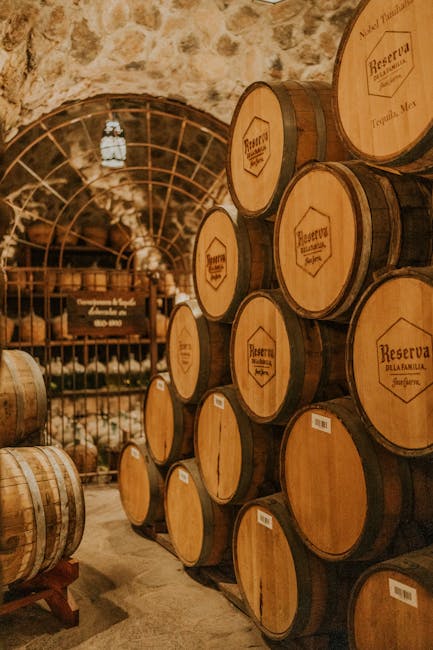





Introduction: A Photographic Dive into San Gimignano’s Picturesque Cellars
Perched on a hill in the Tuscan countryside, San Gimignano is famed for its medieval towers, cobbled lanes and vistas that feel frozen in the Renaissance. But beyond the stone façades and bustling squares lies an under- and semi-subterranean world that intrigues history buffs and photographers alike: the cellars and wine rooms where wine, olive oil and tradition are kept like treasures. This photo guide aims to reveal those lesser-seen spots—often tucked away—where light plays across damp walls, textures tell centuries of craftsmanship, and every nook becomes an ideal photographic subject.
Shooting in these spaces requires a sensitive approach: light is limited, ceilings are low, and the silence invites you to listen to the stories each barrel and stone holds. The cellars of San Gimignano aren’t all large-scale production sites; many are family cellars, small municipal storehouses, or cellar-museums that open by appointment. This guide will walk you through a carefully curated selection of accessible locations, detailing addresses, opening hours, entrance fees and photography tips tailored to each space. The goal is twofold: to guide your eye toward evocative images, and to give you the practical knowledge to turn a visit into a productive and respectful photo session.
We’ll also cover essential logistics—transport, parking, respecting private spaces, and the best times of day for ideal light. Whether you’re shooting with a smartphone, have a passion for architecture, or are a pro with a DSLR, the variety of textures—aged wood, oak barrels, stone worn by time, traces of moisture and shadowplay—will offer a rich visual palette. Pack wide-angle lenses for low-ceiling rooms and mid-range lenses for isolating details, and don’t forget a compact tripod for long exposures and a discreet diffuser or flash if natural light is scarce.
Finally, respect is paramount: always ask permission before photographing private cellars, avoid lingering excessively during tastings, and support local producers by buying a bottle or some gourmet products. An attentive photographer will leave not only with beautiful images but also with human encounters—winemakers, owners and guides—that enrich the photographic narrative and pay tribute to San Gimignano’s culinary and viticultural traditions.

1. Cantina Tenuta Torciano: Historic Cellar and Immersive Tasting
Tenuta Torciano is probably one of the best-known addresses for exploring cellars and wines around San Gimignano. Located at Località Torciano, 53037 San Gimignano SI, Italy, this estate combines a spacious cellar, modern vats and a charming old storehouse where signature bottles age. The guided tour includes a cellar walkthrough, an explanation of Tuscan grape varieties (notably Vernaccia di San Gimignano) and a tasting of three to five wines paired with a selection of local products.
Exact address: Tenuta Torciano, Località Torciano 4, 53037 San Gimignano (SI), Italy.
Opening hours: daily from 10:00 to 19:00 (guided tours at 11:00, 15:00 and 17:00; reservations recommended).
Price: standard tour and tasting €15 per person; in-depth tour with a Tuscan lunch €45 per person.
Description and photographic vibe: Tenuta Torciano’s underground cellar blends stone and wood, with dim light sliding through narrow openings and highlighting rows of barrels. The textures are abundant: oak grain, worn old floorboards, dusty labels. For photography, favor a wide-angle if you want to capture the alignment of casks, and a mid-range lens to isolate details such as a cork, an old label or condensation on a chilled bottle. Portraits of the winemaker at work, using natural light from an open door, can add a powerful human dimension.
Practical tips: arrive 15 minutes early to set up your gear, ask permission before using a tripod (often allowed in cellars), and avoid direct flash on bottles to prevent harsh reflections. Use the tasting as an opportunity to shoot food and wine pairings: a board of pecorino, cured meats and local olive oil provides warm colors and complementary photographic textures.
 Click here to book a lunch and tasting at Tenuta Torciano

2. Enoteca Comunale di San Gimignano: Municipal Cellar and Wine Archives
The Enoteca Comunale di San Gimignano plays a central role in promoting local wines and preserving vintages of Vernaccia. Located in the heart of the old town, it serves as a storage cellar, a tasting venue and an archive space. The enoteca is an excellent starting point to understand the region’s wine history and photograph collections of bottles organized by year and producer.
Exact address: Enoteca Comunale di San Gimignano, Piazza della Cisterna 7, 53037 San Gimignano (SI), Italy.
Opening hours: Tuesday to Sunday from 10:00 to 18:30; closed Monday (hours may vary in high season—check online).
Price: free entry for browsing; tastings from €5 for a 3-wine sample; wine workshops from €25.
Description and photographic vibe: The Enoteca Comunale features small alcoves where bottles are lined up by vintage, often presented in soft light filtered through stained glass or blinds. Visually, these spaces are ideal for geometric compositions—rows of bottles, repeating labels and contrast between shiny glass and raw stone walls. Use a gentle touch with focus: shooting wide open (shallow depth of field) will create pleasing bokeh on labels and emphasize the central bottle.
Practical tips: municipal cellars often require that displayed bottles not be touched—respect the rules. The best time for photos is in the morning when light is cooler and reflections are less pronounced. If you want to photograph tastings, offer to send the images to the organizers: they usually appreciate the collaboration and may open areas normally closed to the public.
Click here to join a 2-hour tasting in San Gimignano
3. Cantina Fattoria di Fugnano and Family Cellar: Authentic and Intimate
Fattoria di Fugnano is a small family-run estate outside San Gimignano’s walls, known for its rustic cellar where traditional methods sit alongside skills passed down through generations. It’s the quintessential picturesque cellar: stone vaults, clay floors, barrels marked by time and an atmosphere scented with wood and resin. Visiting this cellar—often by appointment only—lets you capture a sense of timelessness that’s hard to find in more touristy spots.
Exact address: Fattoria di Fugnano, Località Fugnano 12, 53037 San Gimignano (SI), Italy.
Opening hours: visits by appointment; generally available between 09:30 and 18:00 on weekdays.
Price: private cellar tour and tasting €20 per person (some options require a minimum group of 4).
Description and photographic vibe: The space here is intimate. Ceilings are low, stones are irregular, and natural light often filters through a small window or door. Key photographic subjects are details: handprints on barrels, shafts of light catching dust motes, cork textures and press levers. A macro lens or a 50mm prime will help isolate these elements while retaining a pleasant depth of field.
Practical tips: the visit may take place in a tight area—favor lightweight gear and avoid bulky tripods that block movement. Wear closed-toe shoes (floors may be uneven) and be prepared for strong odors (fermenting wine, wood). Owners are often proud to share their knowledge: ask about winemaking steps and, if possible, request permission to photograph working moments—these produce authentic, narrative-rich images.
Click here to book a vineyard visit with lunch
4. Historic Cellars under Medieval Palaces: Urban Discovery and Unique Perspectives
In the heart of San Gimignano’s historic center, several medieval palaces and noble houses keep ancient cellars that are sometimes used today as craft shops, small museums or storage for local products. These urban spaces offer a different reading: low brick vaults, sacred alcoves, stairways descending into vaulted rooms where time seems suspended. Urban cellars often sit beneath well-known city addresses and are worth exploring during a photographic walk.
Examples of reference points and practical addresses:
- Palazzo Comunale (Museo Civico) — Piazza del Duomo, 1, 53037 San Gimignano (SI): although the museum itself focuses on the upper rooms, some guided tours include the historical basements that once served as storage.
- Antica farmacia and cellars under Piazza della Cisterna — Piazza della Cisterna, 53037 San Gimignano (SI): several traditional shops maintain ancient cellars that are occasionally accessible.
Hours and fees: access to cellars beneath palaces depends on Museo Civico guided tours and local initiatives; combined admission to the Museo Civico and the Collegiata di San Gimignano is around €9 (hours generally 10:00–18:00, variable by season).
Description and photographic vibe: urban cellars offer strong architectural compositions—rounded arches, shadow play created by steps and columns, and historical marks etched into the walls. These places lend themselves to black-and-white photography to emphasize texture and contrast, or to color shots that capture the warm tones of brick and the deep greens of bottles displayed in alcoves. Favor long exposures to reveal the vaults’ depth and use a small tripod if space allows.
Practical tips: check with the tourist office or Museo Civico for basement access slots. Spaces can be fragile—don’t touch walls or antique objects. Local guides can also share historical anecdotes that will enrich your photo captions.
Click here to book a private guided tour of San Gimignano

Conclusion: Bringing Terroir and History Home in Your Images
San Gimignano is more than an open-air museum: its cellars, wine rooms and basements tell a living story where terroir, skill and memory intertwine. This photo guide offered a mixed itinerary—renowned estates like Tenuta Torciano, municipal structures like the Enoteca Comunale, intimate family farms and urban cellars beneath medieval palaces—to help you build a varied and authentic visual report. Each place offers different opportunities: barrel lines that demand symmetry, cork and label details that call for close focal lengths, and portraits of winemakers that require sensitivity and discretion.
Beyond settings and camera settings, remember that the key to a successful series is respect for the place and the people who work there. Always ask for permission, offer to share your images, and support local producers by buying a few bottles or products. Make sure to document not only objects but gestures—the arm pouring wine, the hand stroking wood, the focused brow of a craftsman—these human elements give meaning and emotion to your shots.
Practically speaking, prioritize natural light, bring a compact tripod for long exposures, pack a versatile lens (24–70mm) and a bright prime (50mm f/1.8 for example) for details. Don’t forget spare batteries and extra memory cards: cellars are full of patterns and it’s easy to fill a card in one visit. Finally, plan your visits outside peak hours—early morning or late afternoon—for better light and a calmer atmosphere.
Whether you’re aiming to build a portfolio, a visual travel journal, or simply capture memories, San Gimignano and its picturesque cellars offer an endless palette. Leave with images that tell not only of a place but of a culture—a territory sculpted by stone, wood and wine. And above all, follow your curiosity: some of the best shots are behind a discreet door, in a cellar few visitors take the time to explore.
Click here to book a day trip to Siena, San Gimignano and Pisa
